Plasma-derived exosomes from obese knee osteoarthritis aggravate synovitis by promoting cellular senescence of synovial fibroblasts
Abstract
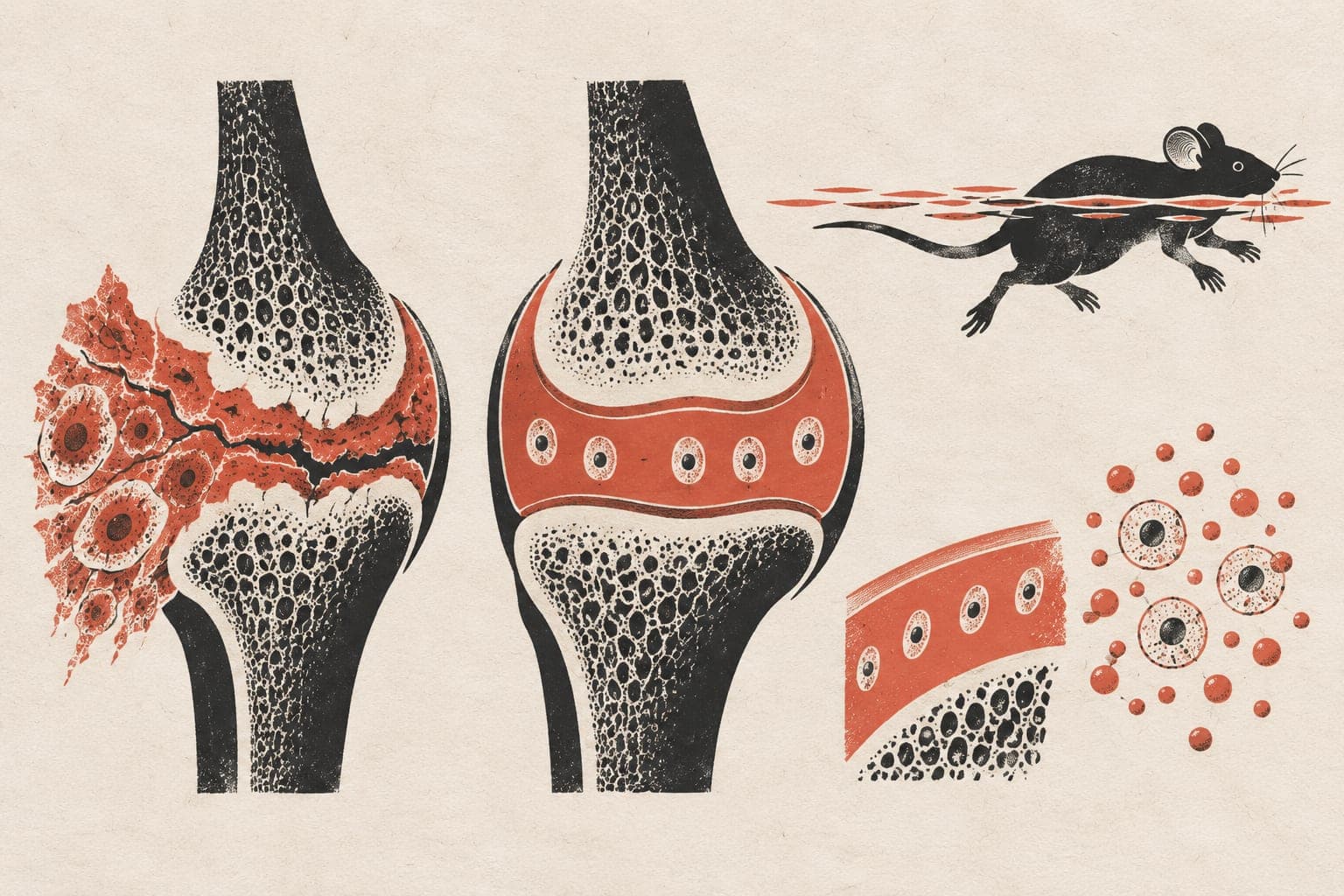
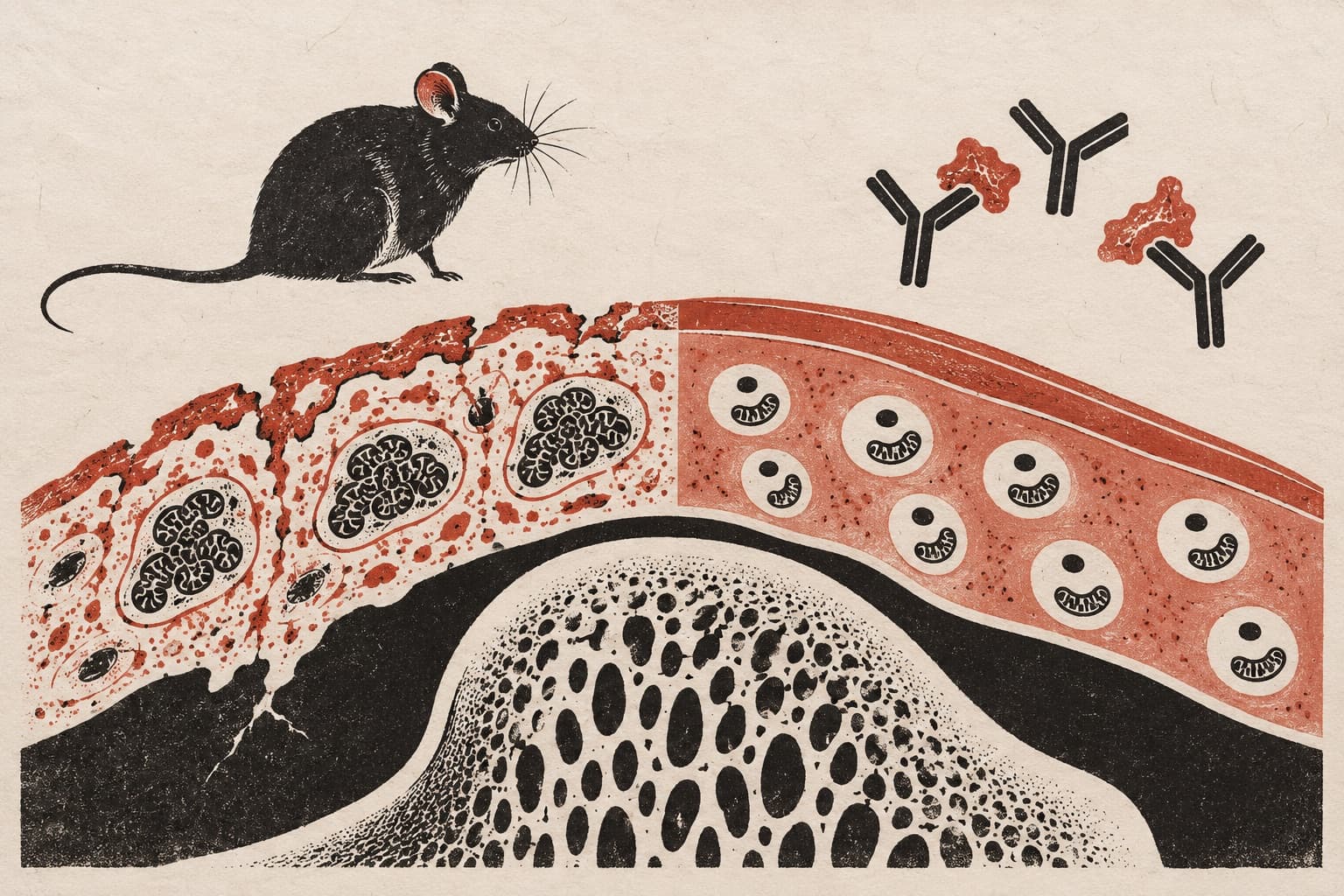
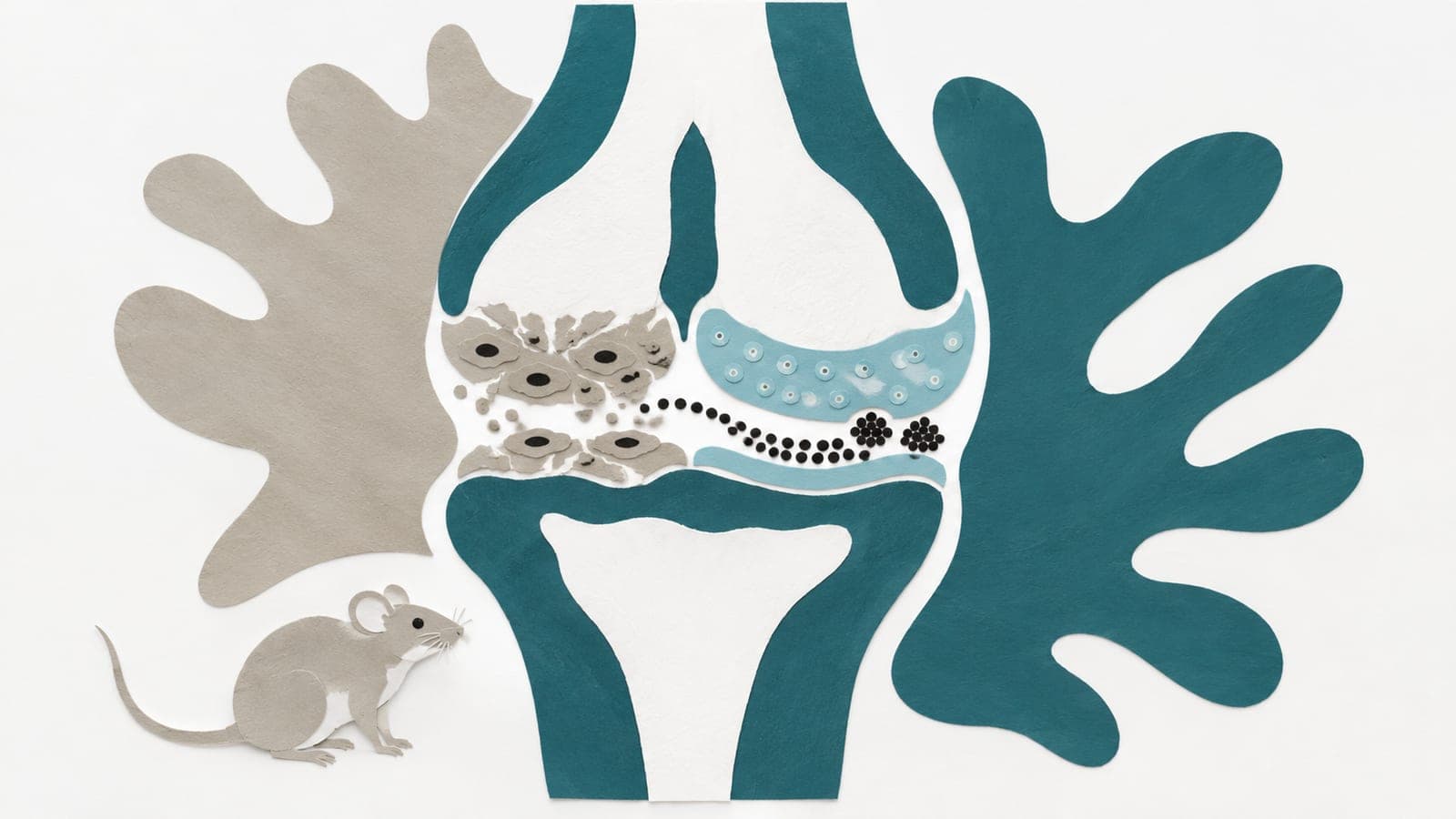
OBJECTIVES: As the most important risk factor for knee osteoarthritis (OA), obesity is closely associated with the clinical symptoms of OA. This study aims to systematically analyze the exosomal RNAs signatures in the plasma of knee OA patients with different body mass index (BMI) and to investigate their pathological roles and potential mechanisms in synovitis. METHODS: The clinical information of 101 patients with knee OA was recorded and the correlation with BMI was analyzed. The plasma-derived exosomes were extracted from non-obese and obese patients with OA (EXOsNormal and EXOsObese). The quantitative sequencing of exosomal RNAs in EXOsNormal and EXOsObese was performed. Then, these plasma-derived exosomes were administered via intra-articular injection into C57BL/6 mice, and knee joint specimens were harvested for evaluation of synovitis and synovial fibroblast senescence. In another animal study, synovitis and synovial fibroblast senescence of destabilization of the medial meniscus surgery (DMM)-induced OA mice were assessed after intra-articular injection of plasma-derived exosomes extracted from diet-induced-obese and non-obese mice. Plasma-derived exosomes were used to treat H₂O₂-induced senescent fibroblasts and the cellular senescence signaling pathways were analyzed. Finally, we assessed the effect and mechanism of miR-192-5p on EXOsObese-mediated cellular senescence. RESULTS: There was a positive relationship between BMI and WOMAC score, but a negative relationship between BMI and HSS score in knee OA patients. The RNAs sequencing identified 143 miRNAs (72 down-regulated and 71 up-regulated), 29 lncRNAs (15 up-regulated and 14 down-regulated), and 334 mRNAs (189 up-regulated and 145 down-regulated) that were significantly differentially expressed in plasma-derived exosomes between obese and non-obese OA patients. However, there were no differentially expressed circRNAs between two groups. Furthermore, KEGG and GO analysis of miRNAs showed that several cellular senescence-related pathways were significantly enriched in EXOsObese. Intra-articular injection of EXOsObese aggravated cellular senescence of synovial fibroblasts and synovitis in wild type mice. In the DMM-induced OA mice model, intra-articular injection of plasma-derived exosomes from obese mice aggravated synovial fibroblast senescence and synovitis. Additionally, EXOsObese promoted cellular senescence of fibroblasts in vitro. We further found that the level of miR-192-5p in EXOsObese was much higher compared to EXOsNormal. Mechanistically, miR-192-5p in EXOsObese aggravated fibroblasts senescence through inhibition of autophagy by targeting ATG7. CONCLUSION: Plasma EXOsObese could exacerbate cellular senescence of synovial fibroblasts via inhibition of autophagy, which aggravates synovitis of OA. THE TRANSLATIONAL POTENTIAL OF THIS ARTICLE: This article provides the whole profiles of differentially expressed plasma-derived exosomal RNAs between non-obese and obese OA patients, which are beneficial for the future research in this field. The data suggest that plasma-derived exosomes in obese OA patients exacerbate synovitis through augmentation of synovial fibroblast senescence, thereby positioning molecular mediators in plasma-derived exosomes, such as miR-192-5p, as promising therapeutic targets for obesity-associated OA patients.
The paper
Daping Hospital
Journal of Orthopaedic Translation, 29 Dec 2025