Natural Products as Anti-Senescence-Associated Secretory Phenotype (SASP) Agents
Abstract
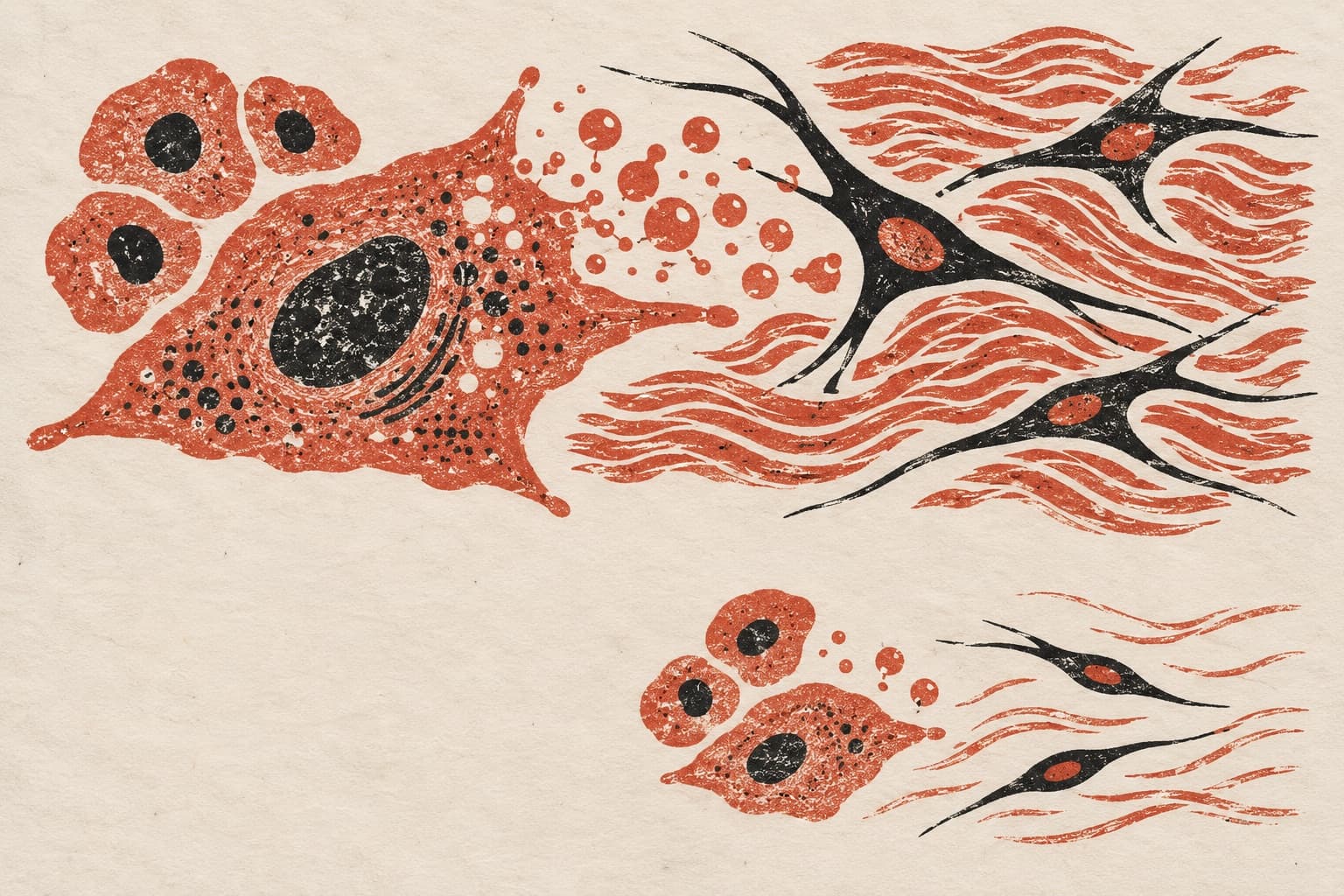
Cellular senescence denotes an irreversible cell-cycle arrest implicated in organismal aging and age-related disorders, distinguished by the Senescence-Associated Secretory Phenotype (SASP). SASP manifests the capacity of senescent cells to secrete a broad array of bioactive molecules-cytokines, chemokines, proteases, growth factors, and bioactive lipids that orchestrate diverse extracellular functions across pathological contexts. Senomorphic strategies that selectively suppress SASP have emerged as promising therapeutic avenues for mitigating aging-related pathologies. Natural products, including polyphenols, flavonoids, and alkaloids, possess inherent antioxidant and anti-inflammatory properties and have demonstrated significant efficacy in modulating SASP in both aging and diseases. This review, for the first time, systematically consolidates current investigations into natural compounds targeting SASP, providing a comprehensive analysis of their underlying mechanisms, therapeutic potential, and prospects for clinical translation in non-cancerous age-related diseases. We delineate how SASP is initiated, its composition, pathophysiological roles, and how natural compounds modulate it, thereby establishing a foundation for future research and therapeutic development in ageing intervention.
- Natural products
- Alkaloids
- Flavonoids
- Polyphenols
- Senescence-associated secretory phenotype (SASP)
- Senescent cells
The paper
West China Hospital of Sichuan University
Current Medicinal Chemistry, 1 Jan 2026