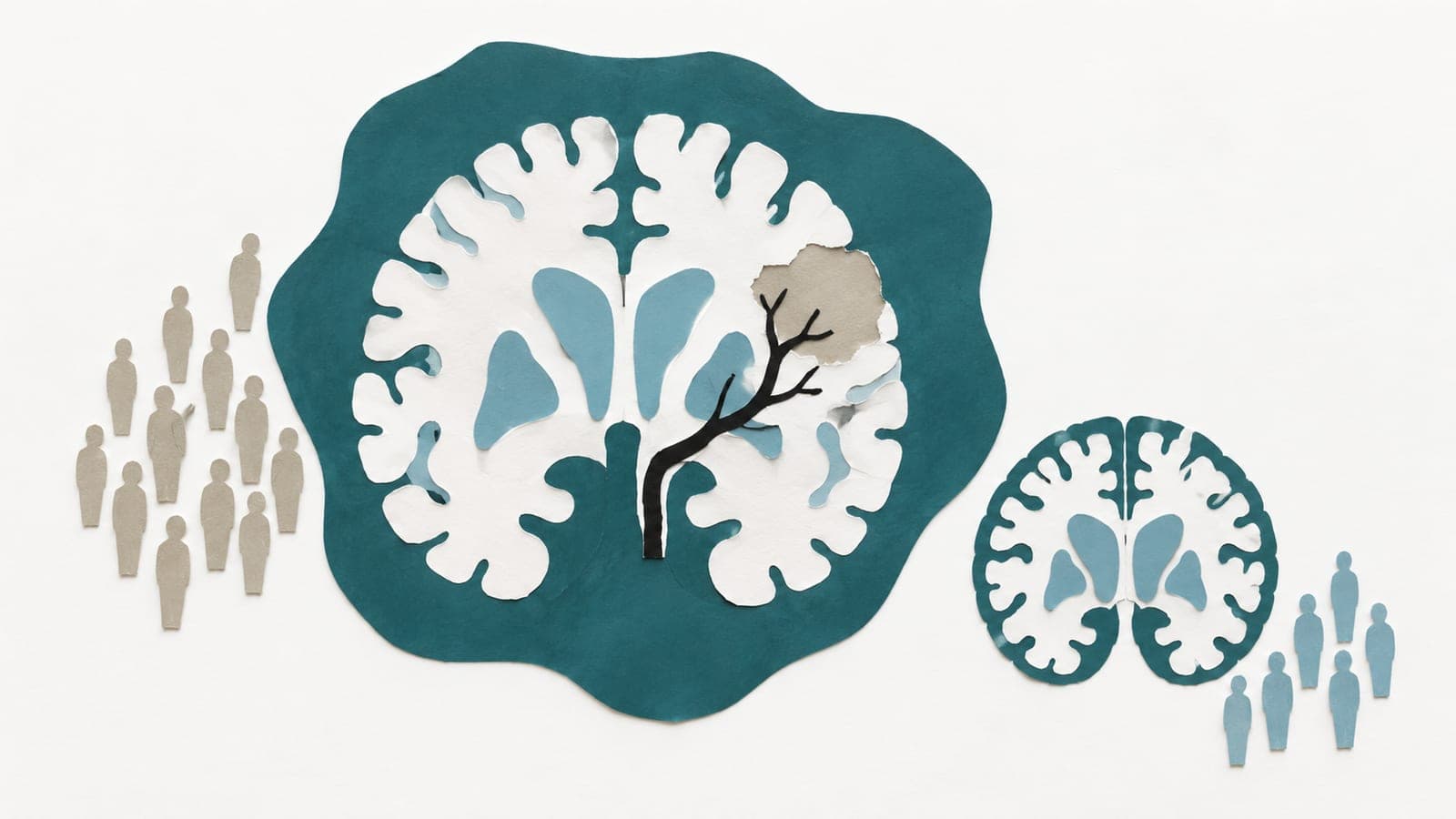
Association Between Preadmission Care Need Level and Long-Term Outcomes in Older Patients With Stroke: The LIFE Study
3 years, dose-response
Abstract
OBJECTIVE: Stroke is a leading cause of mortality and disability, significantly impairing quality of life. In Japan's aging society, premorbid functional decline is often already present at the time of illness or injury, potentially influencing prognosis, particularly long-term outcomes. This study aimed to investigate the association between long-term care insurance (LTCI) care need levels (CNLs) before admission and 3-year postdischarge mortality among older patients with stroke. DESIGN: Retrospective observational cohort study. SETTING AND PARTICIPANTS: This study used health care and LTCI claims data from 15 Japanese municipalities participating in the Longevity Improvement & Fair Evidence (LIFE) study. Patients aged ≥65 years hospitalized for stroke were included. METHODS: Based on preadmission LTCI CNL, patients were categorized into 4 groups: no care needs, support level (SL) and CNL1 (lowest care level), CNL2-3, and CNL4-5 (highest care level). The primary outcome was 3-year all-cause mortality after discharge. Cumulative incidence rates were estimated using Kaplan-Meier methods. The association between baseline LTCI CNL and mortality was evaluated using a multivariable Cox regression model, with adjusted hazard ratios (aHRs) and 95% CIs calculated. RESULTS: Among 104,795 patients with stroke, 24,839 met the eligibility criteria for analysis. Compared to patients without care needs, the risk of all-cause mortality was higher in the other 3 groups and increased with higher baseline LTCI CNL (SL and CNL1: aHR 1.63, 95% CI 1.52-1.76; CNL2-3: aHR 2.59, 95% CI 2.38-2.81; CNL4-5: aHR 3.64, 95% CI 3.31-4.01; P for trend < .001). CONCLUSIONS AND IMPLICATIONS: Higher preadmission LTCI CNL was associated with an increased risk of all-cause mortality after discharge in older patients hospitalized for stroke. LTCI CNL may serve as a practical indicator for identifying patients at high mortality risk. Understanding how pre-stroke functional status influences long-term survival may provide valuable information for early clinical decision making in stroke treatment.
The paper
The University of Osaka
Journal of the American Medical Directors Association, 14 Mar 2026