Missing teeth and missing years: Oral health and survival in a Brazilian aging cohort
15 years
Abstract
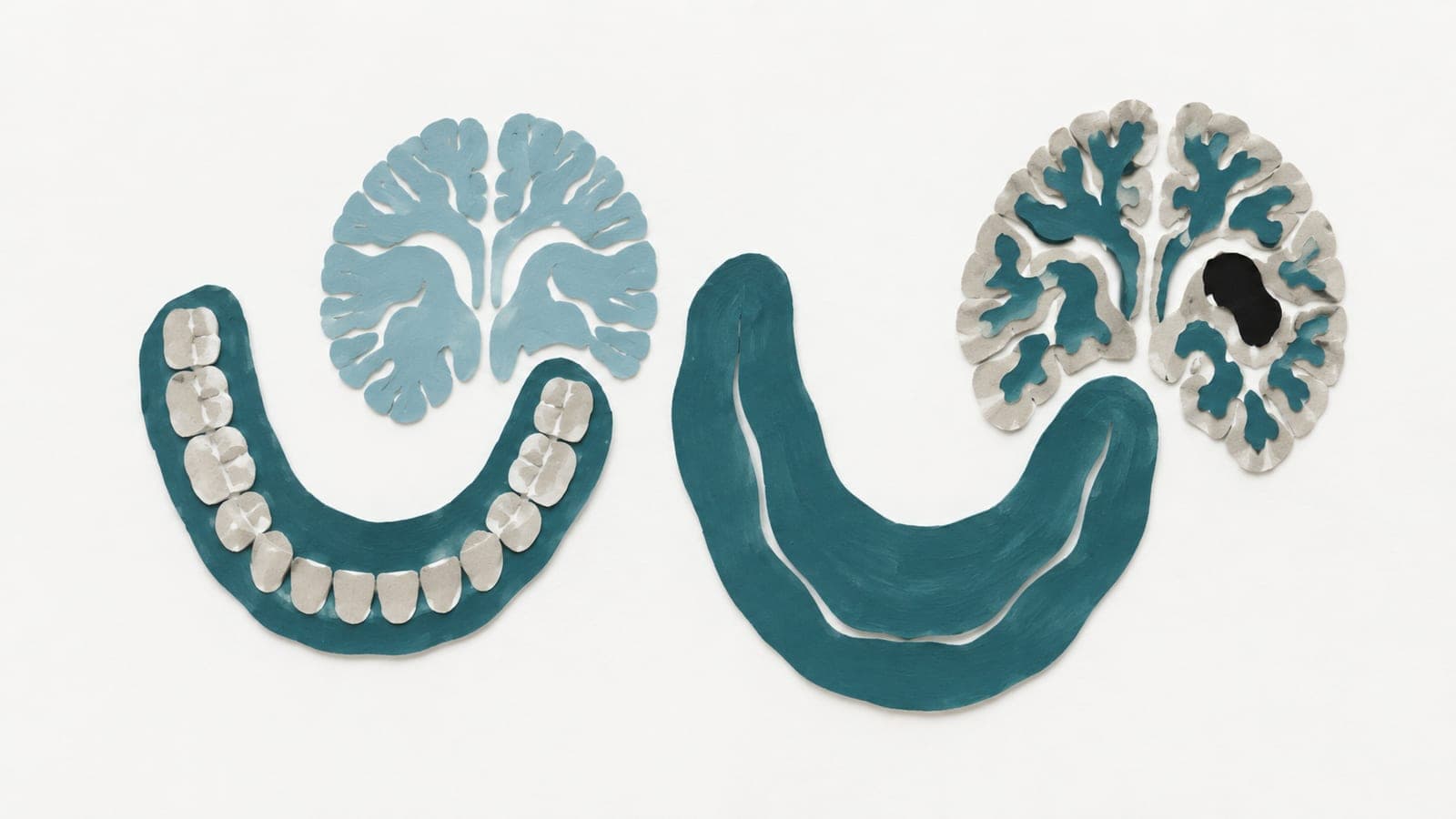
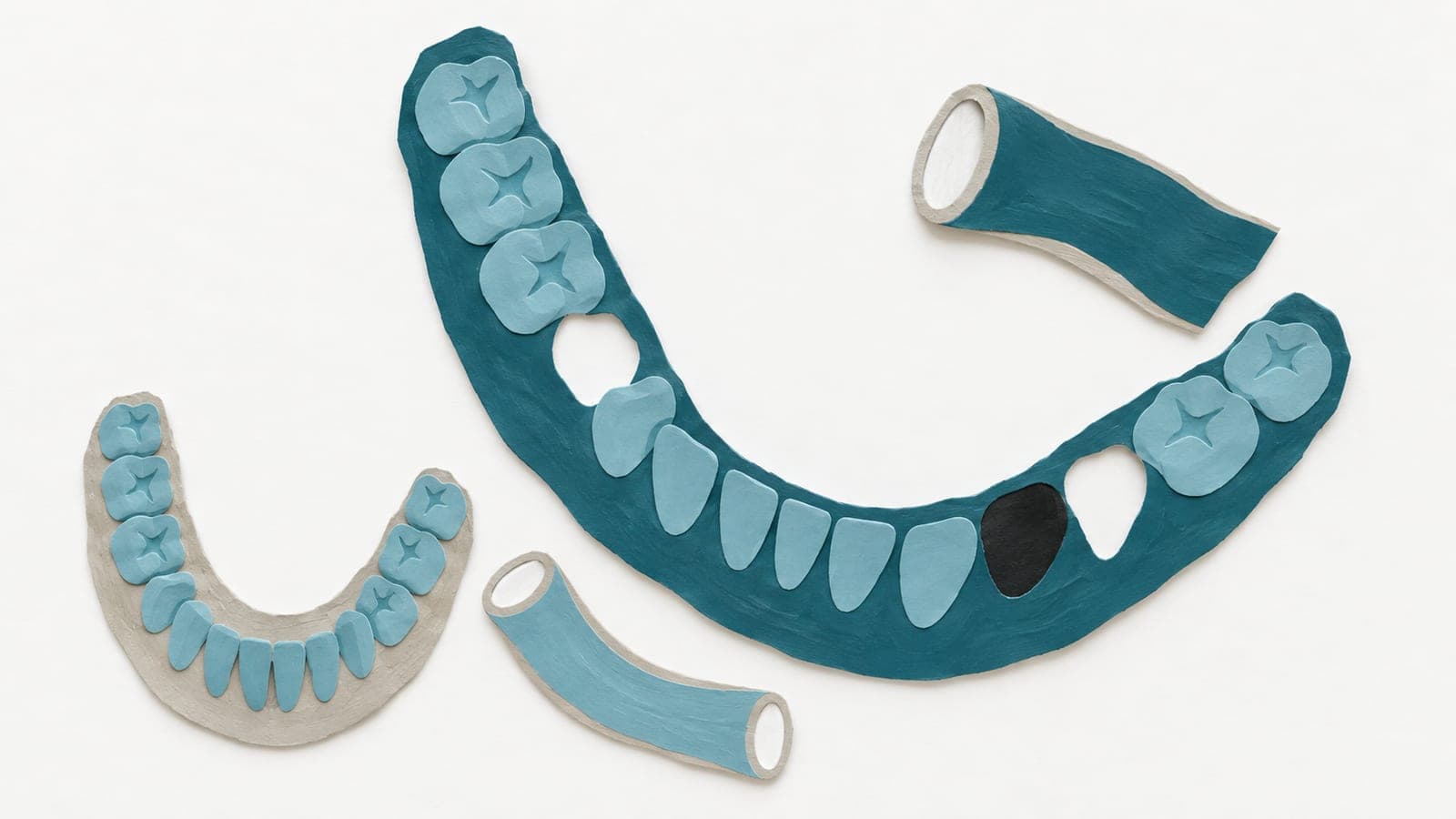
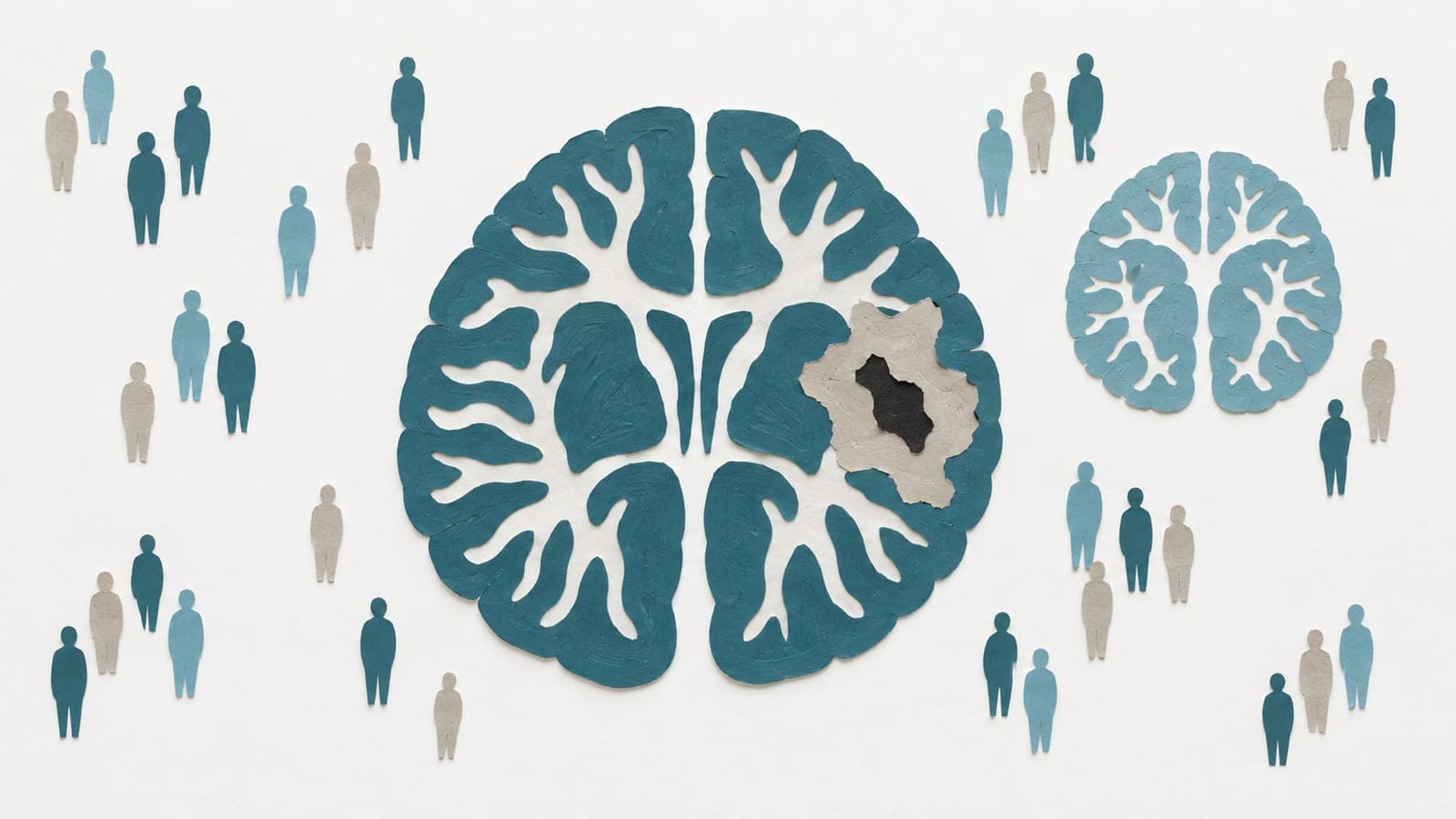
Oral health is key but often overlooked in healthy aging. Tooth loss and poor oral function can impair nutrition, communication, and well-being, yet evidence from low- and middle-income countries (LMICs) on their impact on longevity is limited. This study assessed whether tooth retention and dental prostheses are associated with total life expectancy (TLE) and disability-free life expectancy (DFLE) in older Brazilian adults. In a 15-year cohort of 1734 participants, oral health was defined by edentulous vs. non-edentulous status and prosthesis use. TLE and DFLE were estimated using multistate life table models adjusted for time-varying confounders via inverse probability of treatment weighting. Analyses were stratified by sex and education. At age 60, non-edentulous adults lived 0.9 years longer (95 % CI 0.2-1.8) and spent 1.6 additional disability-free years (95 % CI 0.8-2.3) than edentulous adults. Among those with remaining teeth, prosthesis use added 0.6 (95 % CI 0.1-1.2) disability-free years. Women lived longer overall but spent a higher proportion of their lives with disability; prosthesis use improved women's DFLE by 1.1 years (95 % CI 0.5-1.8), while in men, prostheses mainly increased TLE (0.8 years, 95 % CI 0.1-1.6). Higher education was associated with 1.9 more disability-free years (95 % CI 1.1-2.7); prostheses reduced disparities by nearly 30 %. Findings were robust to sensitivity analyses (E-value 2.3). Maintaining natural teeth and ensuring dental prostheses access are associated with meaningful gains in TLE and DFLE, supporting oral health preservation and rehabilitation as strategies to promote healthy, independent, and socially equitable aging in Brazil.
The paper
Duke-NUS Medical School; Universidade Federal de Santa Catarina
Archives of Gerontology and Geriatrics, 4 Mar 2026