ZNF384-Driven Fibulin-1 Exacerbates Vascular Stiffness via TGF-β/Smad3-Mediated Senescence and Fibrosis
By Yan D, Ji T, Liang X et al.
Abstract
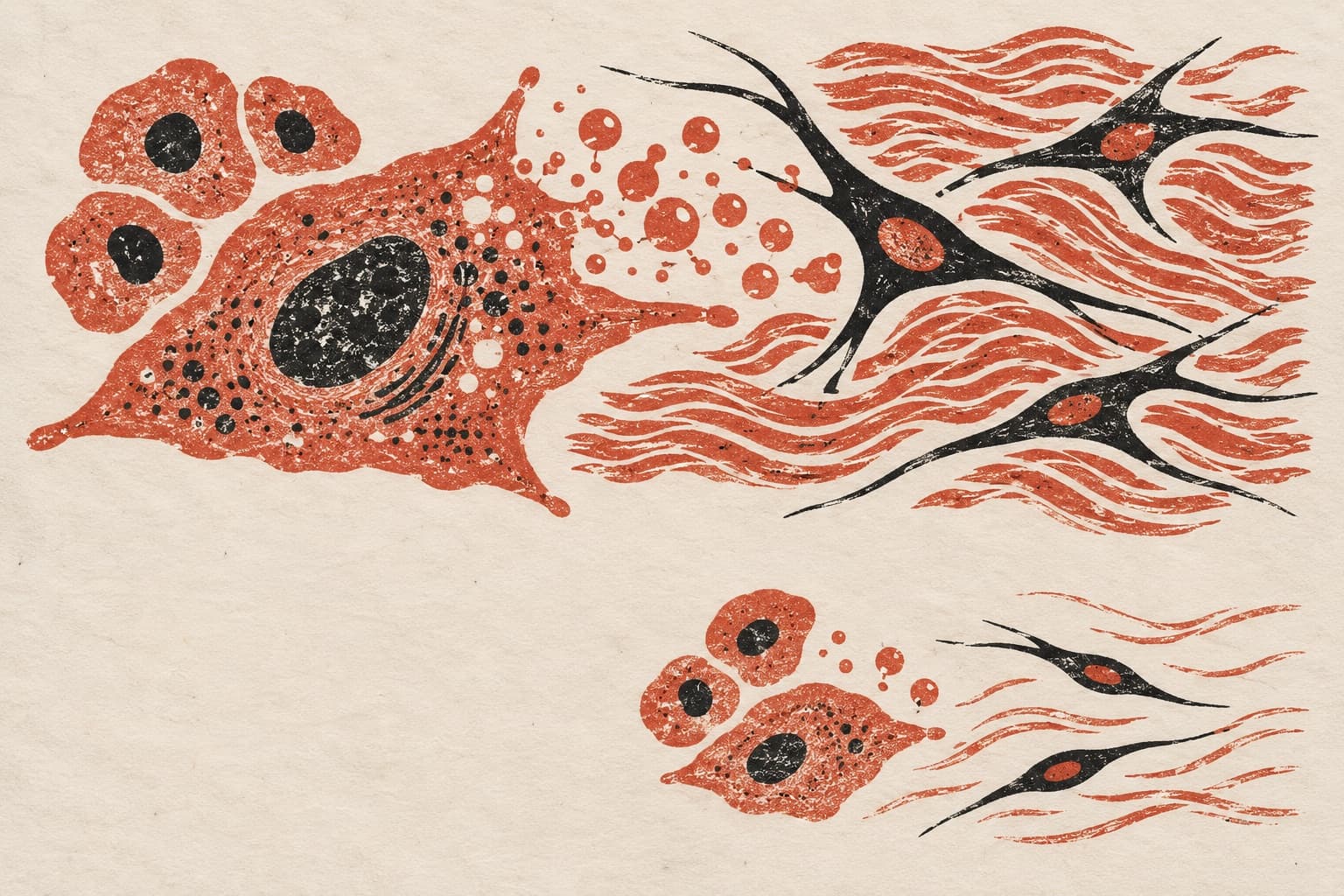
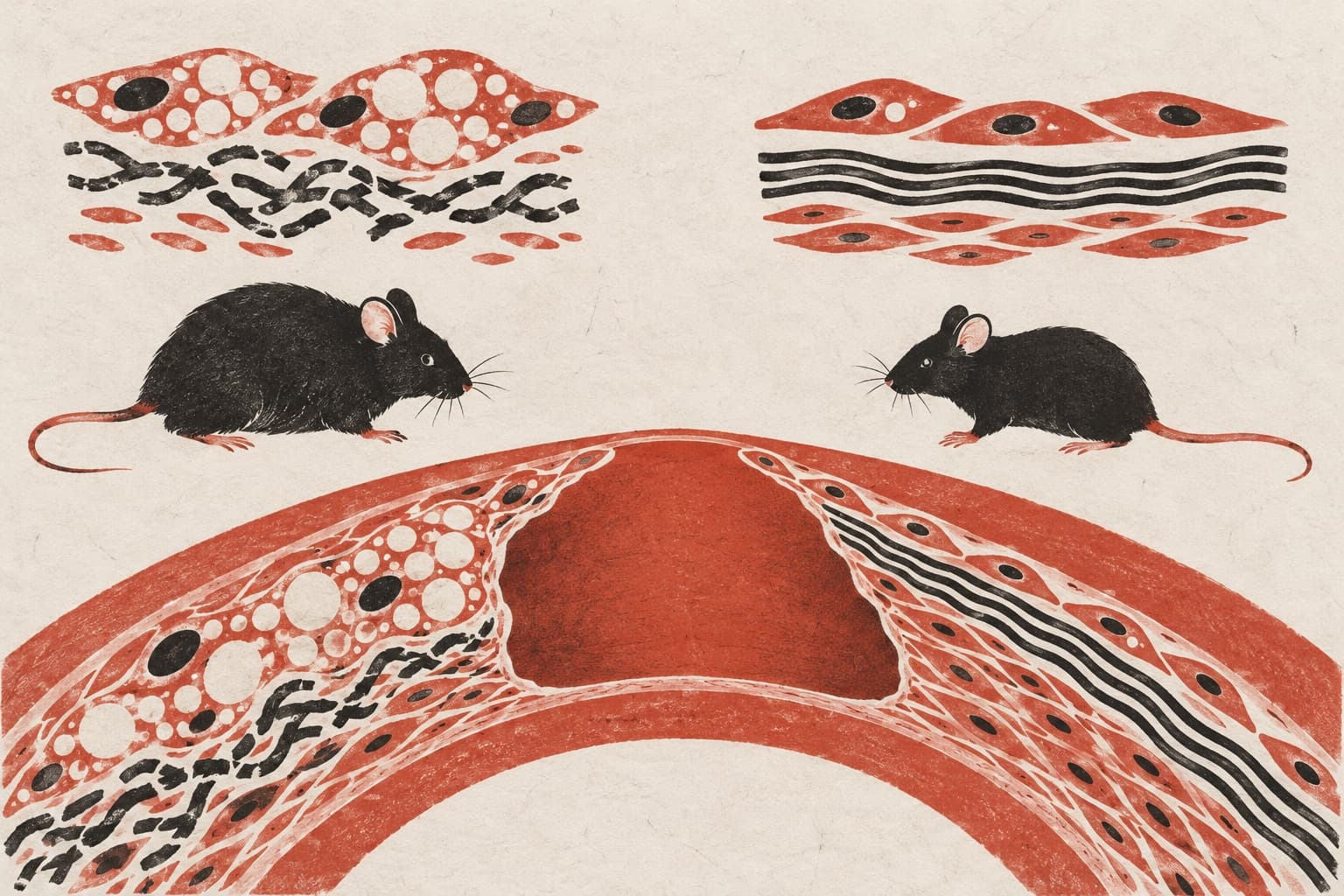
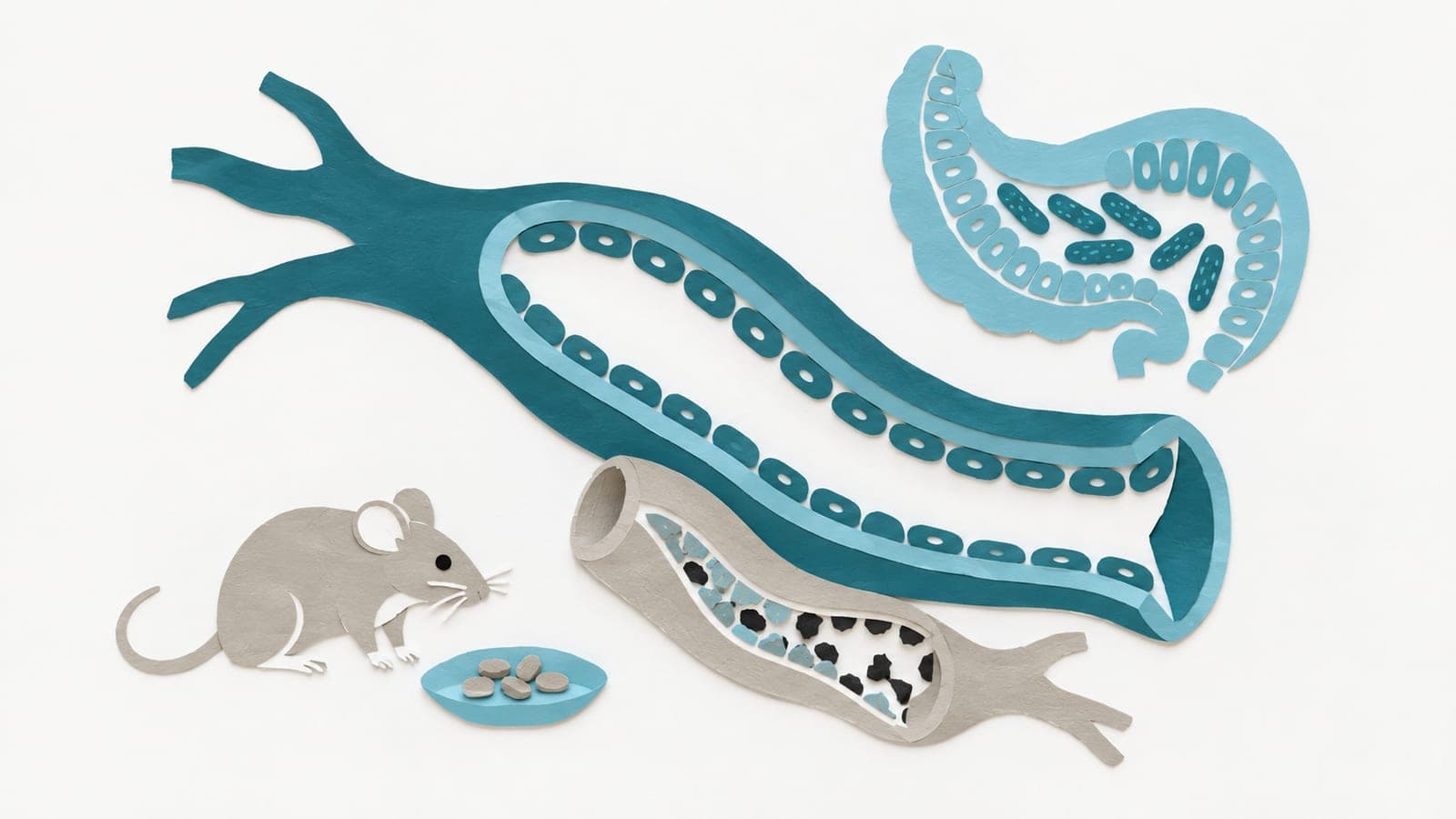
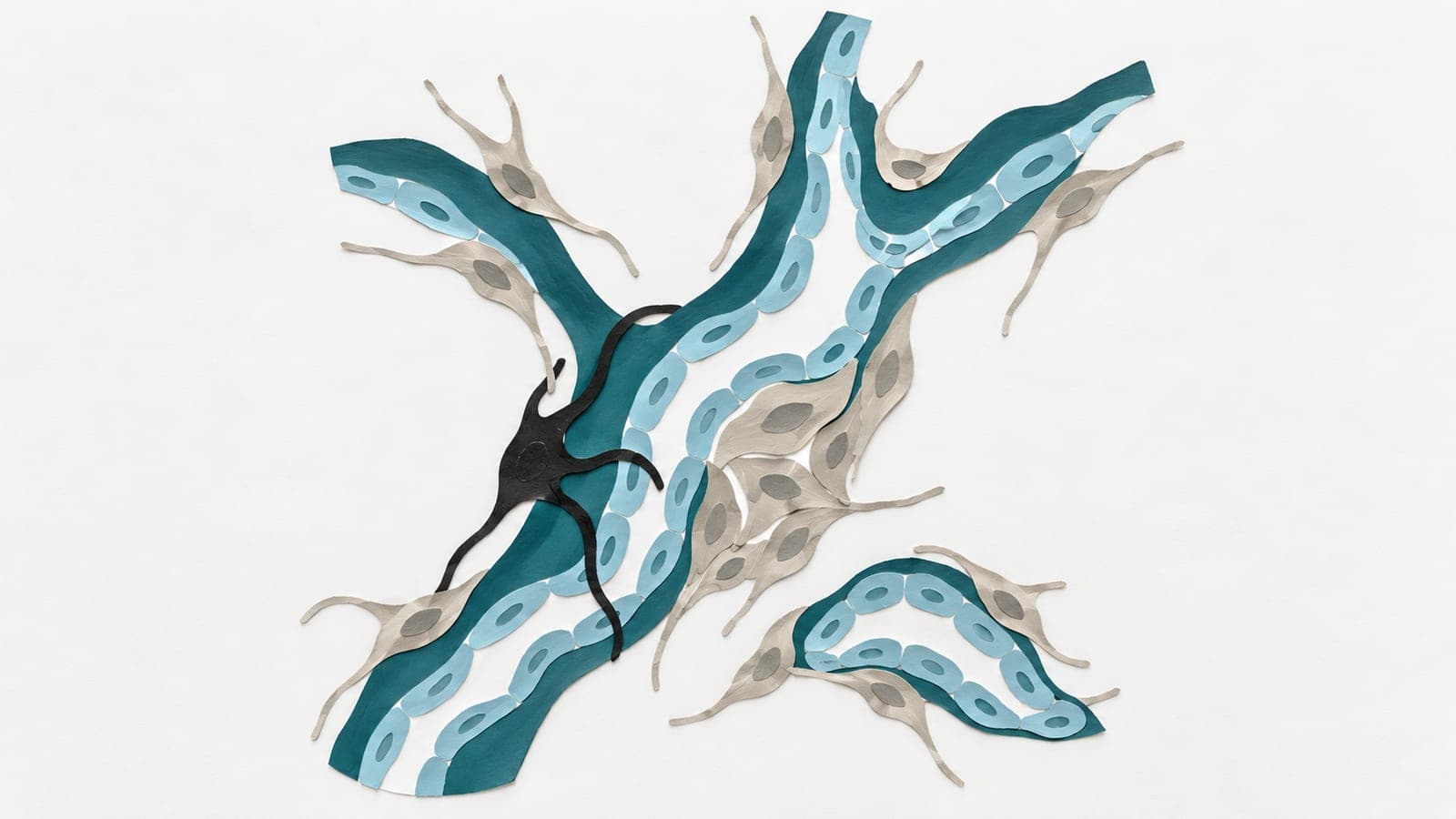
Vascular stiffness, a hallmark of aging and cardiovascular disease, involves vascular smooth muscle cell (VSMC) senescence and extracellular matrix (ECM) dysregulation. This study investigates the role of fibulin-1 (Fbln1) in these processes. Plasma proteomic profiling identified dysregulated proteins in vascular stiffness pedigrees. Fbln1 knockout mice and dual vascular stiffness models (natural aging and chronic angiotensin II [Ang II] infusion) were established. Phenotypic assessments included pulse wave velocity (PWV), histology, and molecular markers. Mechanistic investigations integrating DNA pull-down assays, dual-luciferase reporter assays, and RNA sequencing (RNA-seq) were employed to dissect the transcriptional and signaling axis regulating Fbln1 expression and function. Elevated plasma Fbln1 correlated with hereditary vascular stiffness. Both aging and Ang II promote vascular stiffness, whereas Fbln1 knockdown ameliorates this phenotype by reducing PWV, reversing VSMC senescence, and attenuating collagen deposition. Zinc Finger Protein 384 (ZNF384) was identified as a transcriptional activator of Fbln1, which promoted VSMC senescence and collagen deposition via transforming growth factor-beta (TGF-β)/SMAD family member 3 (Smad3). Inhibiting TGF-β/Smad3 signaling abolished Fbln1-driven senescence and ECM remodeling. Fbln1 exacerbates vascular stiffness through ZNF384-mediated transcriptional activation and TGF-β/Smad3-dependent ECM/senescence pathways. Targeting Fbln1 or its regulators may offer therapeutic strategies for age-related vascular pathologies.