Older adults' profiles based on self-perceptions of aging, activity restriction and behavioral activation. Psychosocial correlates
Abstract
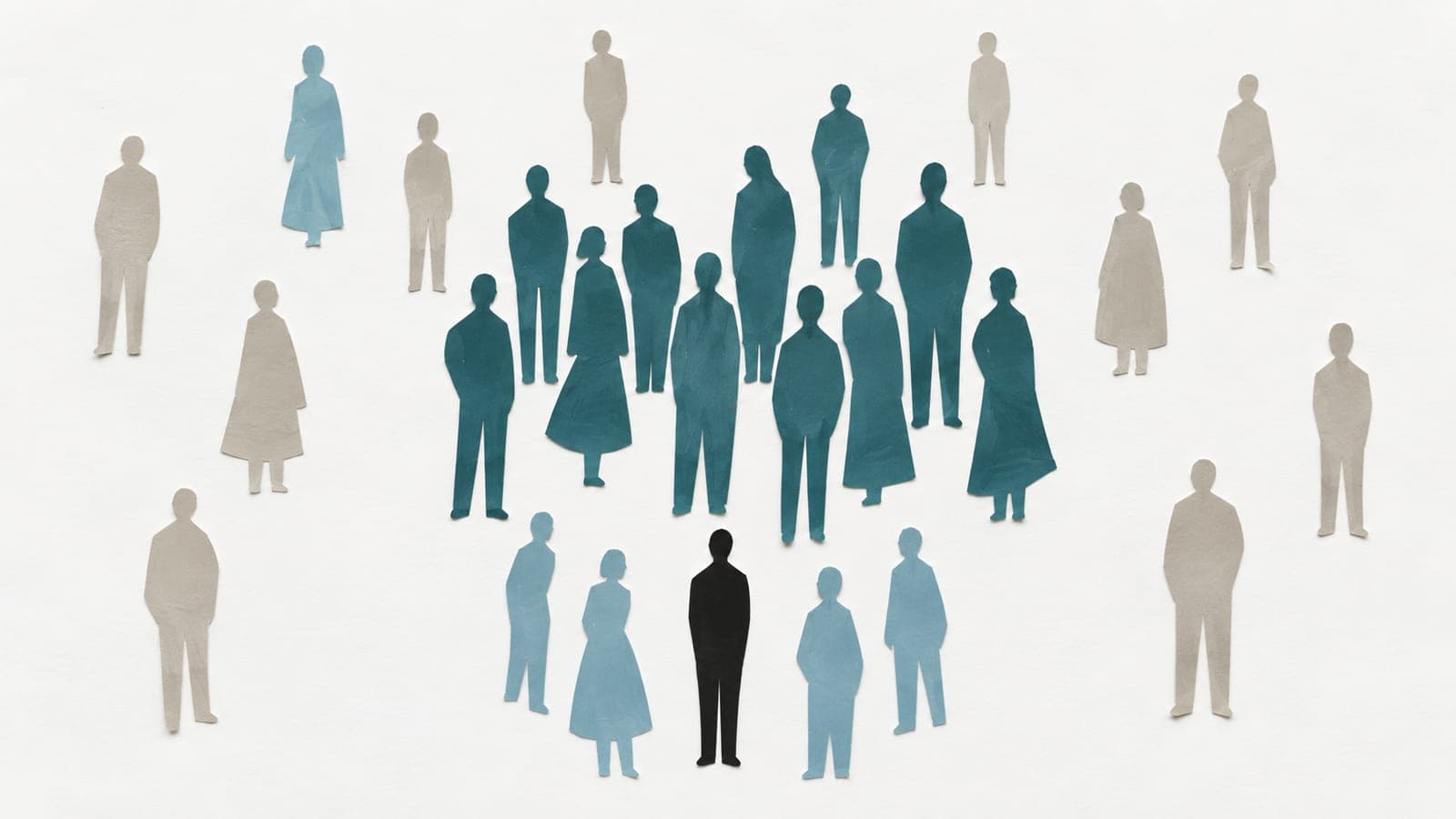
OBJECTIVES: . Population aging raises concerns about older adults' mental health. Self-perceptions of aging, activity restriction, and behavioral activation are key factors for well-being. This study aimed to (a) identify profiles based on these factors, (b) examine their relationship with psychological distress (depression, anxiety) and loneliness, and (c) explore psychosocial correlates of profile membership. METHOD: Participants were 316 adults aged 65+ (M = 72.15; SD = 5.47; 75.3% women). Latent profile analysis identified profiles based on negative self-perceptions of aging [measured with the ATOAS], activity restriction [ARS-OA], and behavioral activation [BADS-SF]. Differences in depression [CES-D], anxiety [GAI], and loneliness [SELSA-S] were examined with Kruskal-Wallis tests. Multinomial logistic regression identified psychosocial correlates of profile membership. The study was approved by the University Ethics Committee. RESULTS: Three profiles emerged: engaged, vulnerable, and limited. Depression symptoms differed across all profiles, while anxiety and loneliness were higher in vulnerable and limited compared to the engaged group. Better physical functioning, cognitive status, and perceived control predicted membership in the engaged profile. CONCLUSION: The emerged profiles were linked to distinct patterns of psychological distress and loneliness. The engaged profile showed the most adaptive outcomes. Integrating cognitive and behavioral factors may improve understanding and intervention in later-life distress.
The paper
Universidad Autónoma de Madrid; Universidad Rey Juan Carlos
Aging & Mental Health, 3 Mar 2026