Persistent loneliness linked to poorer health in older adults
An observational study of 4,090 older adults linked persistent loneliness to poorer physical and mental health and more unhealthy behaviours.
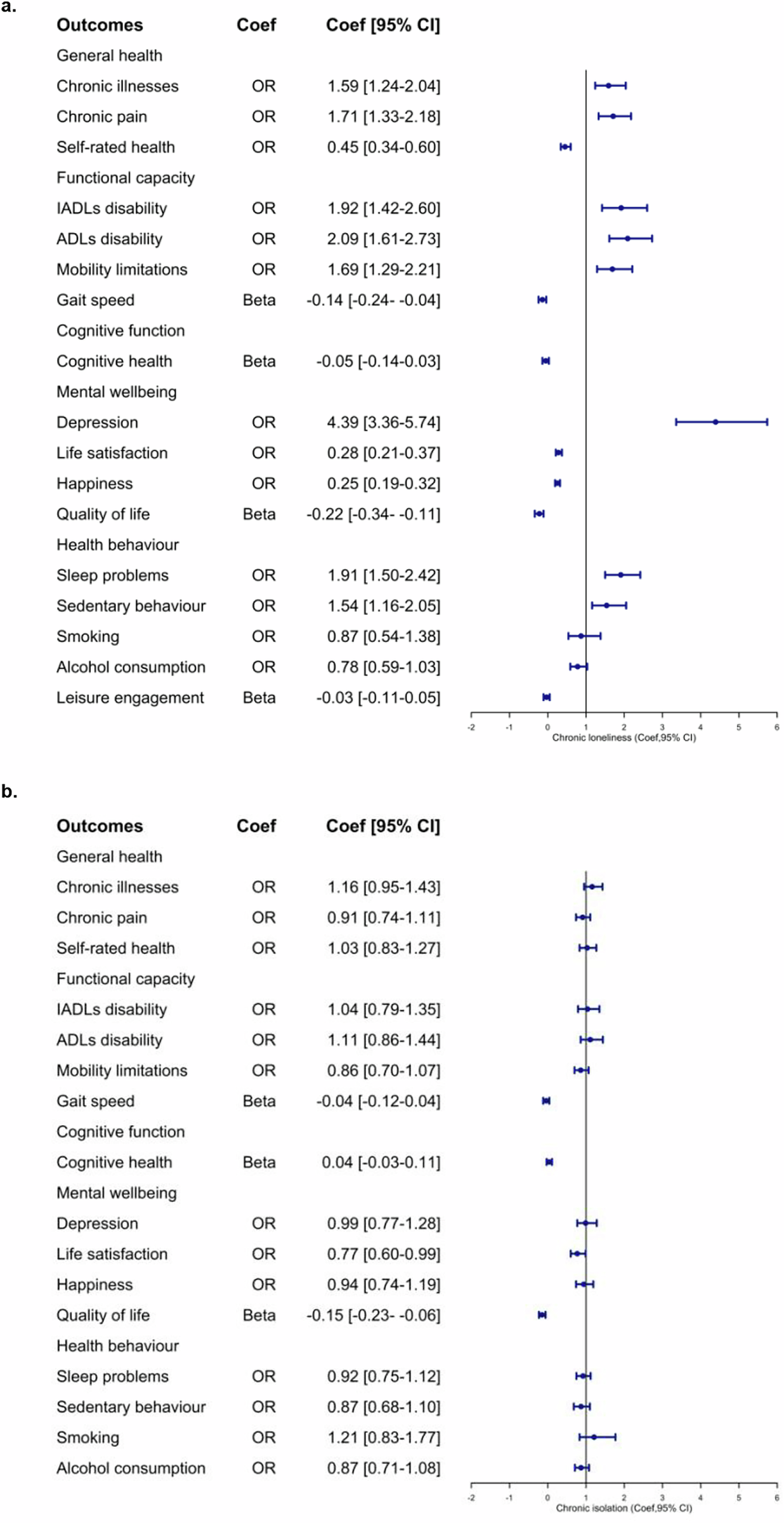
Researchers analysed data from 4,090 older adults in the English Longitudinal Study of Ageing in an observational study. They used statistical models to assess how persistent loneliness or isolation related to 17 outcomes covering physical and mental health, thinking abilities and behaviour.
Persistent loneliness was associated over time with higher risks of poorer general health, poorer ability to carry out activities and worse mental wellbeing, and with more unhealthy behaviours. Persistent isolation and becoming isolated were associated with lower quality of life. An end to isolation was associated with better mental wellbeing and thinking abilities, compared with no isolation.
Why it matters
Persistent loneliness and isolation have been linked to premature death. Examining their relationships with different aspects of health may help clarify how social difficulties relate to healthy aging.
Caveats
This observational study cannot establish that loneliness or isolation caused the health differences.
From the paper
- Participants
The study included 4,090 participants with a mean age of 66.7 years (SE = 0.13, age range= 54–89 years) (Table 1).
- Result
… chronic loneliness was associated with higher odds of chronic illnesses (OR = 1.59, 95%CI = 1.24-2.04) and chronic pain (OR = 1.71, 95%CI = 1.33-2.18), as well as lower odds of good self-rated health (OR = 0.45, 95%CI = 0.34-0.60) two years later (Fig. 1 & Supplementary Table 2).
Quoted word for word from the full text on nature.com.
The paper
Chronic loneliness and isolation phenotypes and physical and mental health in older adults
University College London
Nature Communications, 11 Sep 2026