Age-related changes in salivary gland-associated oral immune markers and effects of epigallocatechin gallate in male C57BL/6J mice
By Uemura I, Takahashi-Suzuki N, Sano A et al.
Abstract
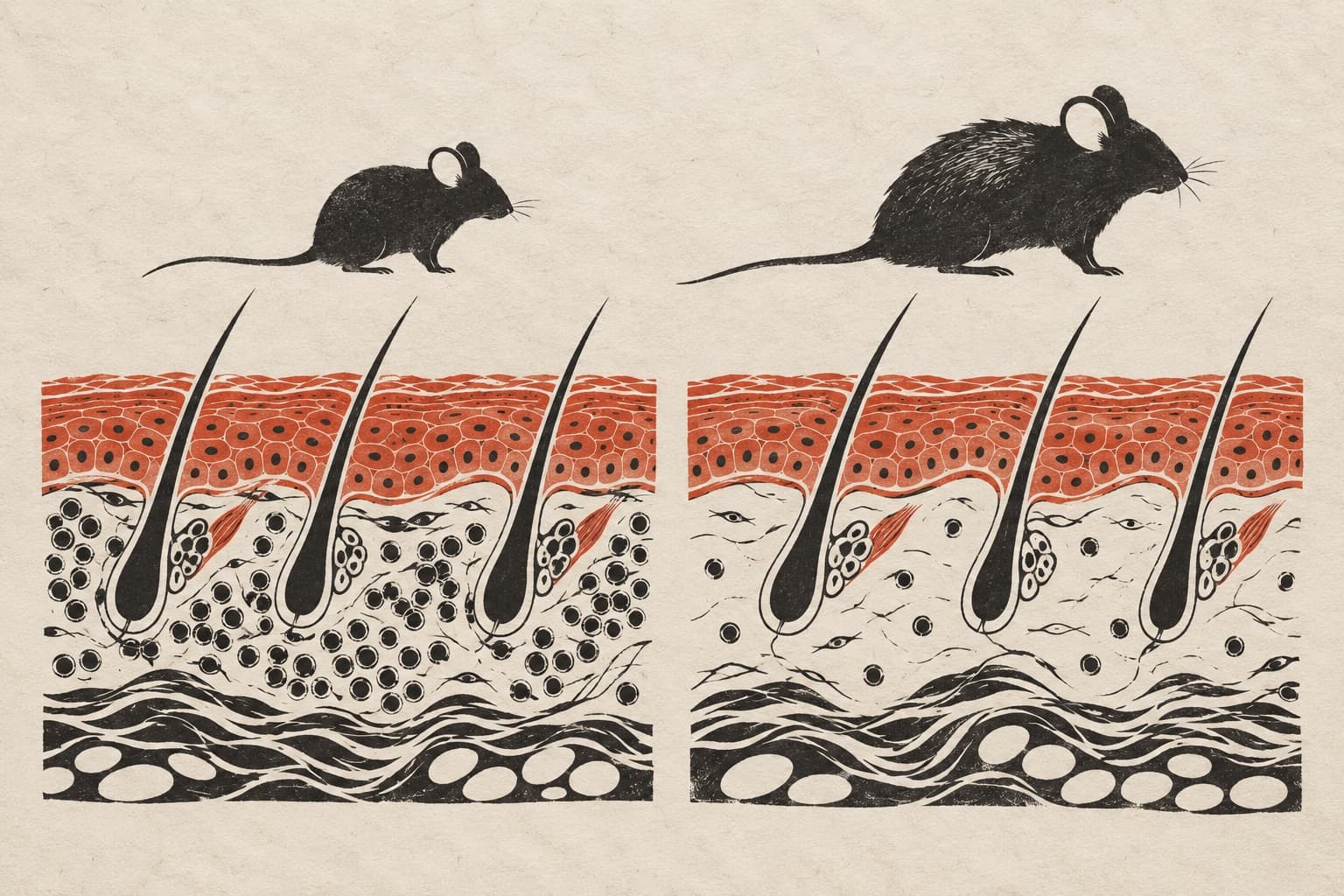
OBJECTIVE: To evaluate age-related changes in oral frailty-related salivary function and salivary gland-associated oral defense markers in mice using β-defensin (Defb1/2) and immunoglobulin A (IgA) as markers, and examine the effects of epigallocatechin gallate (EGCG). DESIGN: Thirty male C57BL/6 J mice were assigned to three groups. Young and aged control groups received 0.5 % methylcellulose-400 orally, and an aged EGCG group received EGCG (3.5 mg/kg) suspended in the same vehicle. Pilocarpine-stimulated salivary flow and secretion outputs (total protein and DEFB1), salivary IgA output, and immune-related markers in saliva and whole submandibular gland tissue were assessed. RESULTS: Aging reduced stimulated salivary flow and decreased total protein and DEFB1 secretion outputs, accompanied by lower Defb1/2 mRNA expression in the submandibular gland. EGCG enhanced salivary flow and secretion outputs and upregulated Defb1/2 transcripts in aged mice. Salivary IgA output increased with aging and was further elevated by EGCG; IgA signal in submandibular gland lysates showed a similar trend. Checkpoint-related transcripts (programmed cell death 1, cytotoxic T-lymphocyte-associated protein 4, lymphocyte-activation gene 3) were reduced in aged glands and shifted upward with EGCG when measured at the whole-tissue level. CONCLUSIONS: Aging was associated with oral frailty-relevant salivary hypofunction and altered salivary gland-associated host-defense and IgA-related markers, and oral EGCG modulated these measures in aged mice. These saliva/salivary-gland markers may provide accessible, host-side indicators of age-associated changes in oral defense.
The paper
Uemura I, Takahashi-Suzuki N, Sano A et al.
Archives of Oral Biology, 20 Feb 2026