Age-related differences in memory organization: How depth of processing and learning intention affect free recall and temporal contiguity
Non-randomised trial
Abstract
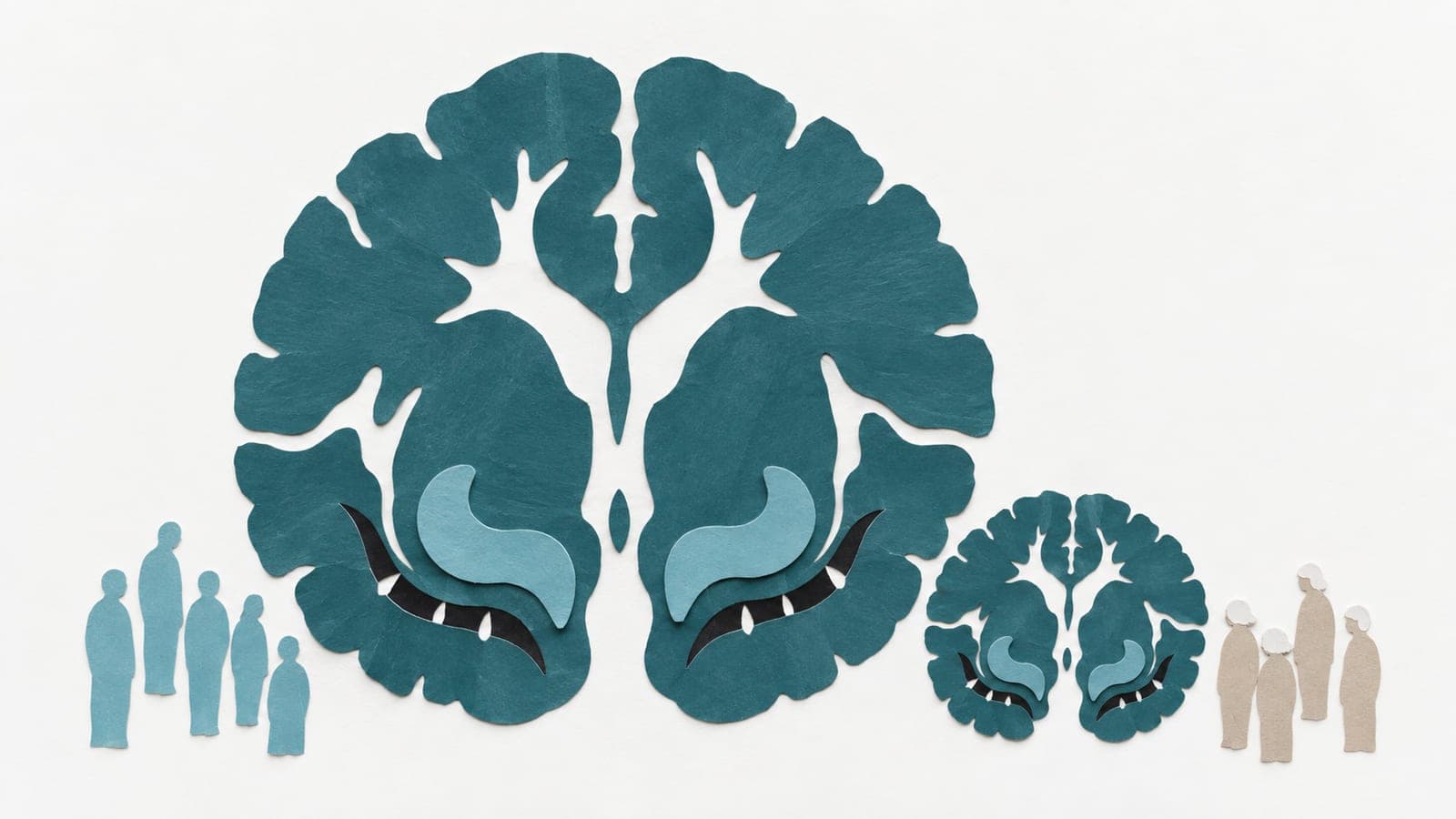
This exploratory study examined how depth of processing, intention to learn, and age interact to influence free recall performance and the temporal contiguity effect (TCE). A total of 119 participants, being 67 younger adults (M = 19.2 years) and 52 older adults (M = 73.9 years), completed free recall tasks that varied in levels of processing (no-orienting, shallow, deep) and learning intention (intentional vs. incidental). Given modest cell sizes (n = 10-17 per condition), findings should be considered exploratory and hypothesis-generating. Patterns suggest that deeper processing improves overall recall across age groups, while the organization of recall may differ with age and learning intention, though definitive conclusions about interactions require replication with larger samples. Intentional learning strengthened temporal organization compared with incidental learning, but this pattern diverged by age. In younger adults, deeper processing disrupted the TCE during intentional learning, whereas older adults maintained stable temporal organization across processing levels, a pattern that may reflect strategic compensation, reduced encoding flexibility, or preserved temporal binding mechanisms. These findings contribute to understanding how encoding strategies and learning intention shape memory organization across the adult lifespan and highlight potential pathways for supporting episodic memory in aging.
The paper
University of Virginia
Archives of Gerontology and Geriatrics, 29 Jan 2026
doi.org/10.1016/j.archger.2026.106157PubMed 41621144
Corrected, 1 Oct 2026