TDCIPP disrupts decidual macrophage function to induce miscarriage through ferroptosis-mediated DNA damage
Abstract
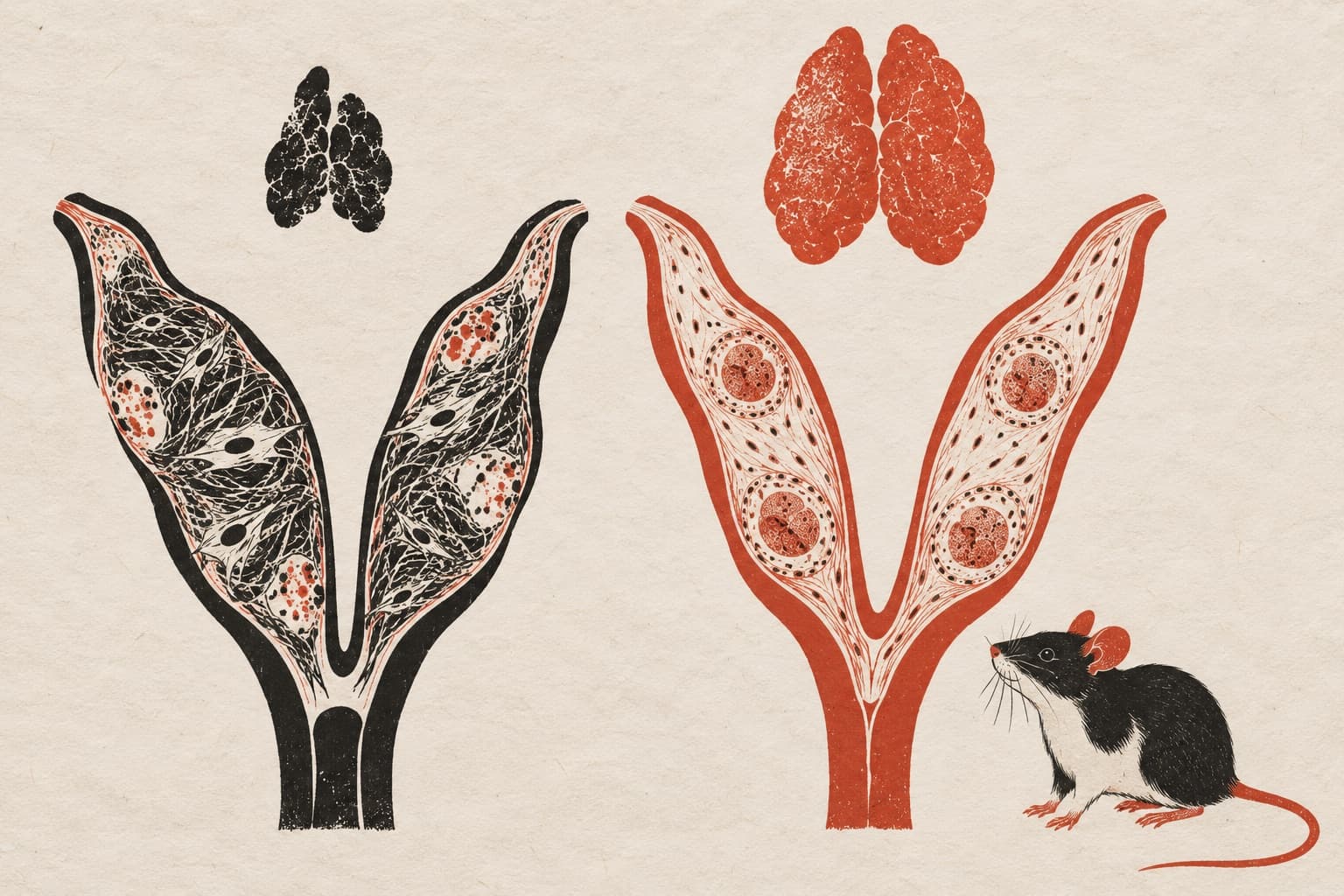
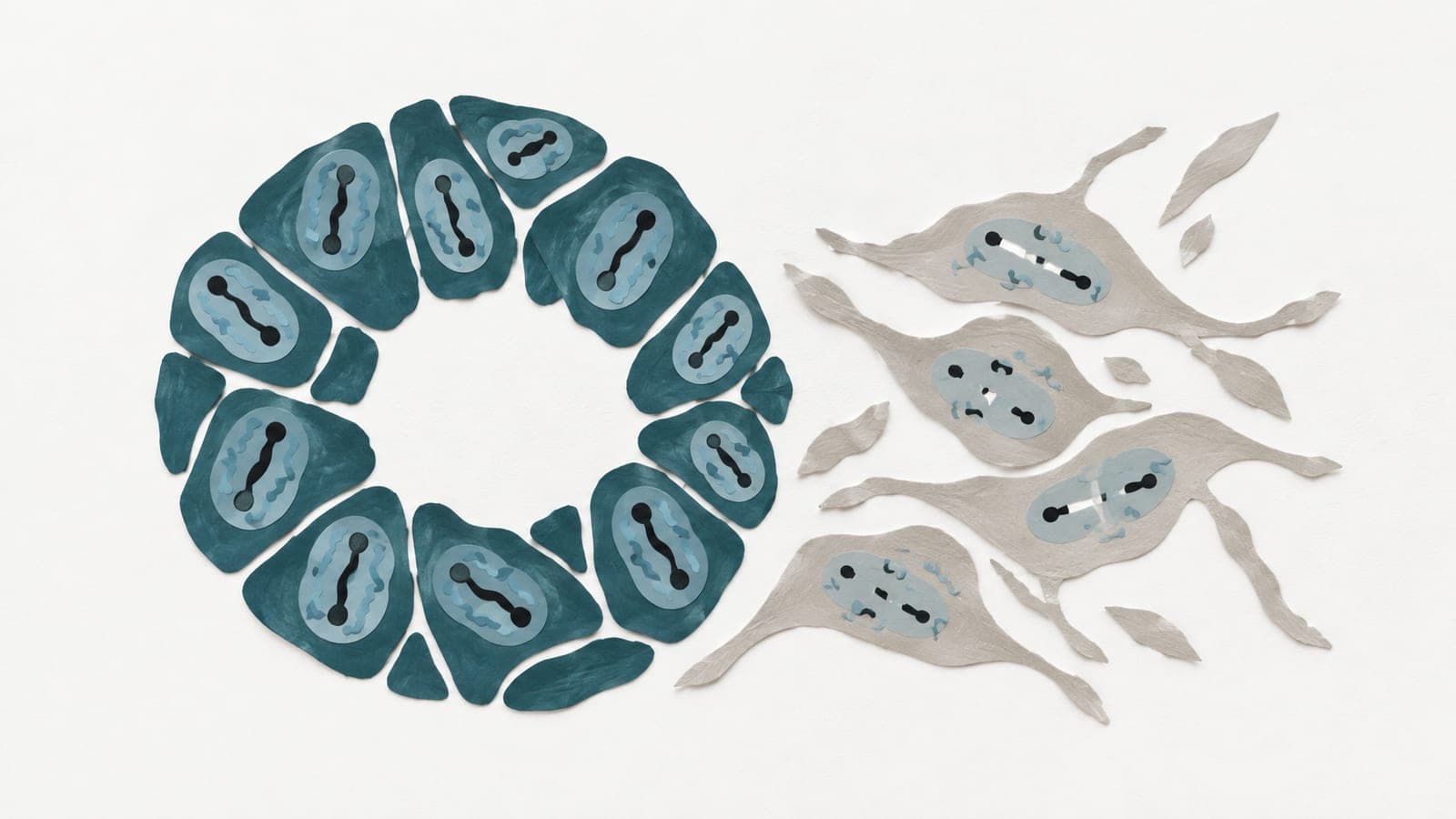
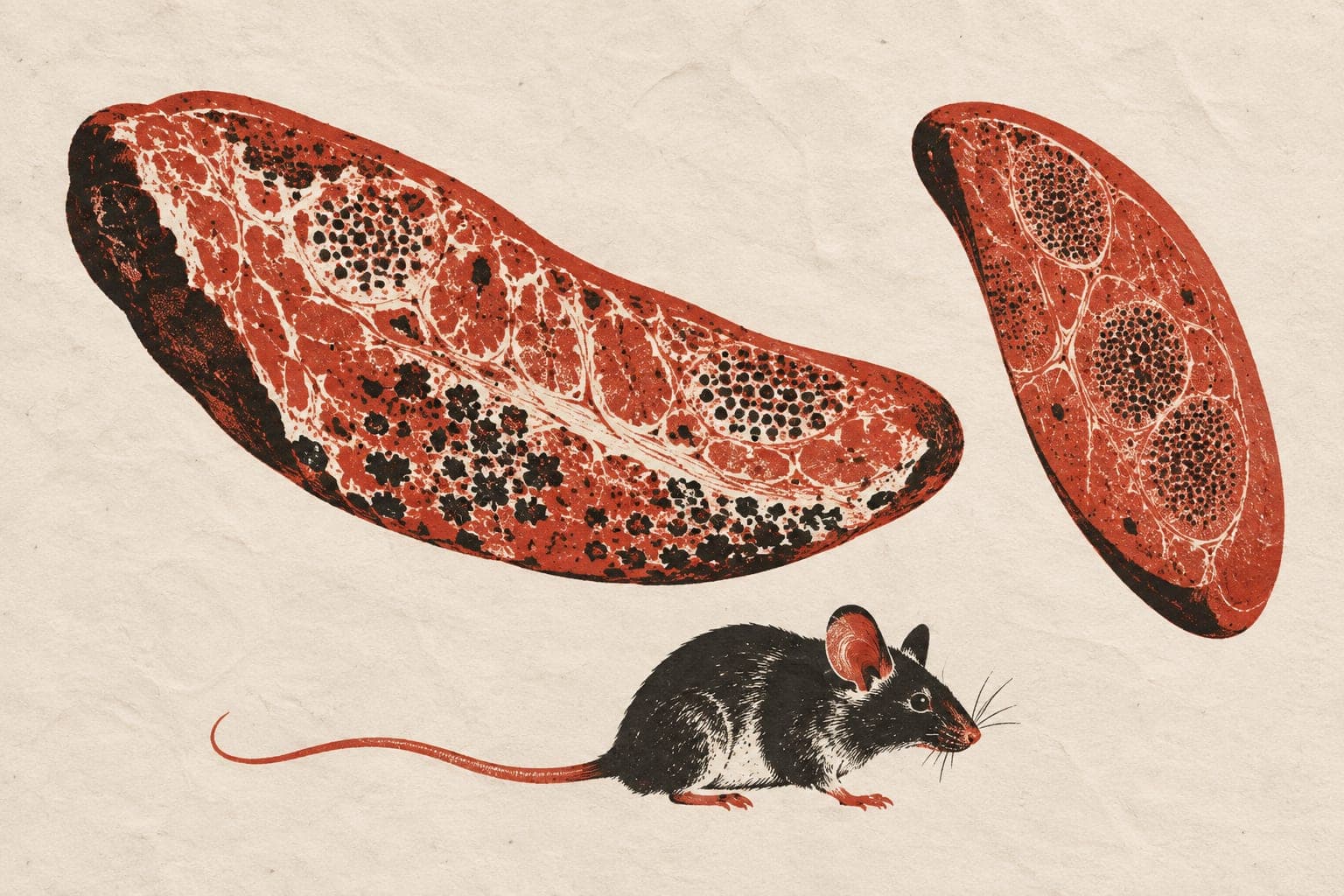
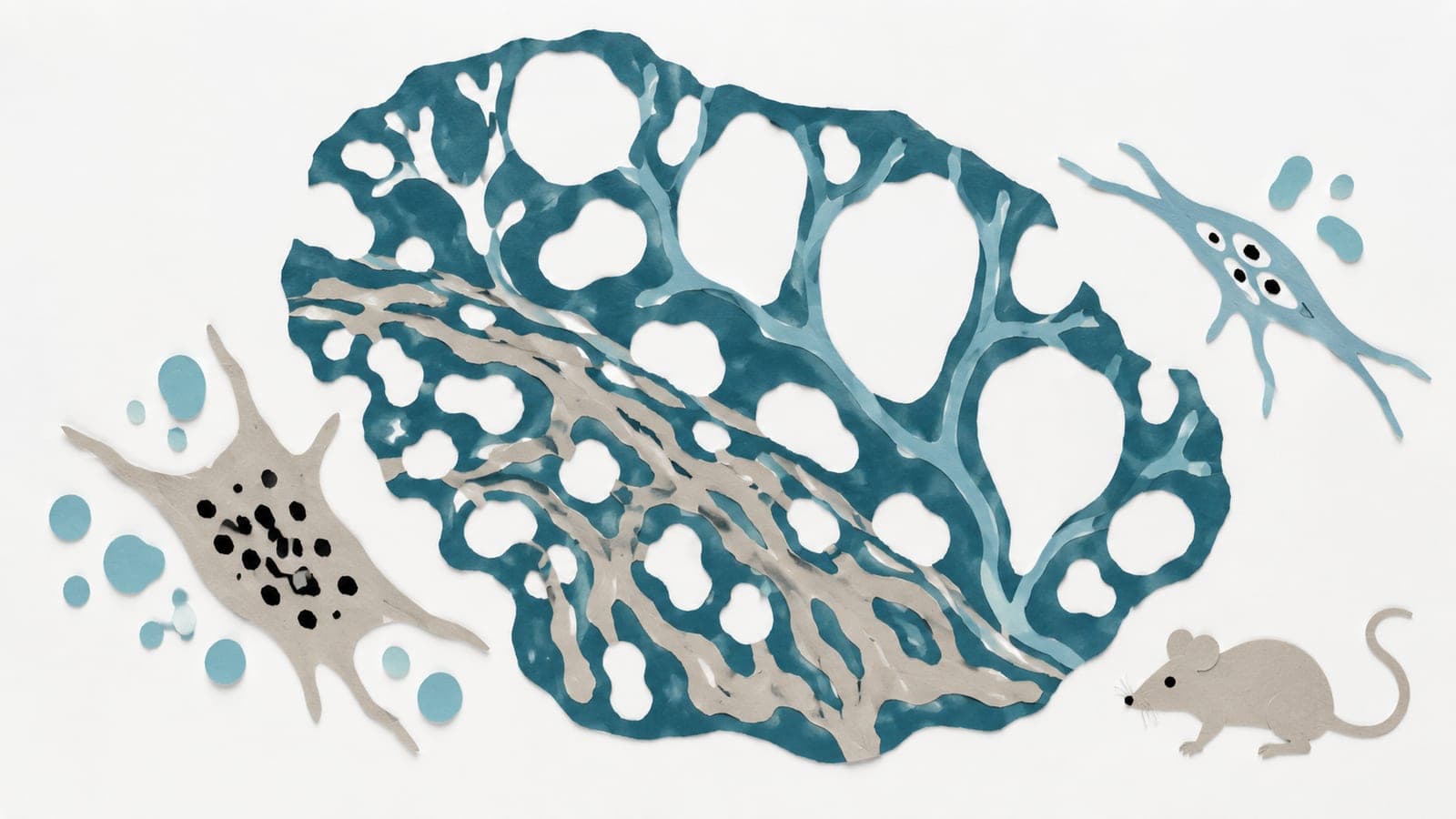
Tris(1,3-dichloro-2-propyl) phosphate (TDCIPP), a prevalent organophosphate ester, is ubiquitously detected in the environment and humans. Although its reproductive toxicity has been recognized, the impact of TDCIPP exposure on pregnancy maintenance and the underlying mechanisms remain elusive. In this study, we revealed that TDCIPP accumulated in human decidua and was positively associated with spontaneous pregnancy loss. In pregnant mice, gestational exposure to TDCIPP provoked a pro-inflammatory phenotype in decidual macrophages, accompanied by increased embryonic resorption. Mechanistically, TDCIPP exposure suppressed glutathione peroxidase 4 (GPX4) expression and reduced glutathione (GSH) levels, collectively triggering macrophage ferroptosis. This TDCIPP-triggered ferroptosis led to DNA damage and consequent activation of the cGAS/STING signaling pathway, which drove interferon-beta (IFN-β) expression, promoting cellular senescence and pro-inflammatory responses. Notably, GSH supplementation effectively suppressed ferroptosis, DNA damage, cellular senescence, and mitigated embryonic resorption in pregnant mice. Collectively, our study established a link between TDCIPP exposure and spontaneous pregnancy loss and delineated its underlying ferroptosis-driven mechanism. These findings identify ferroptosis as a potential therapeutic target for preventing environmental pollutant-associated pregnancy loss.
The paper
Tongji University
Journal of Hazardous Materials, 27 Jan 2026