Partial Reprogramming Is Conserved from Insect to Mammal
Abstract
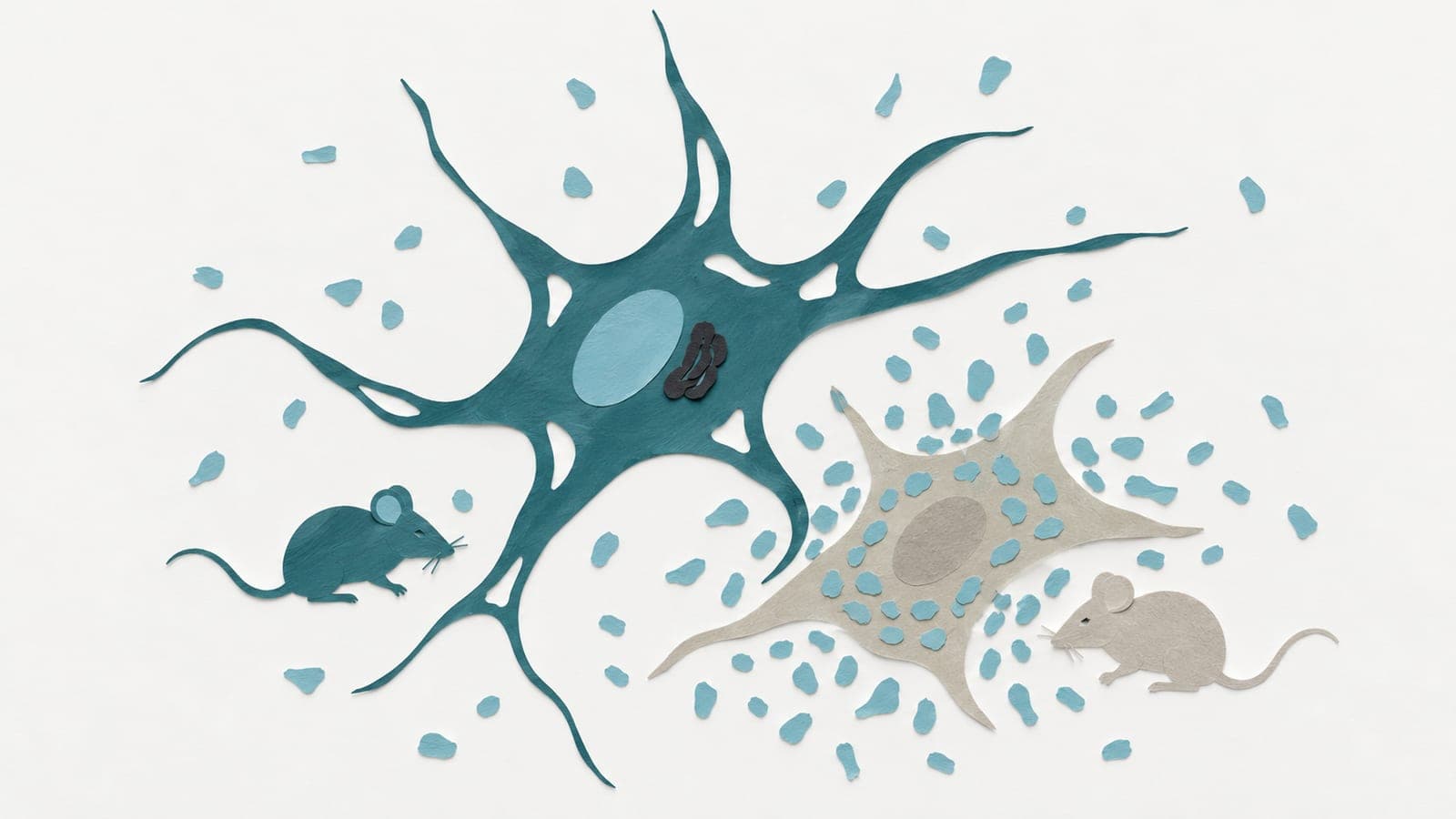
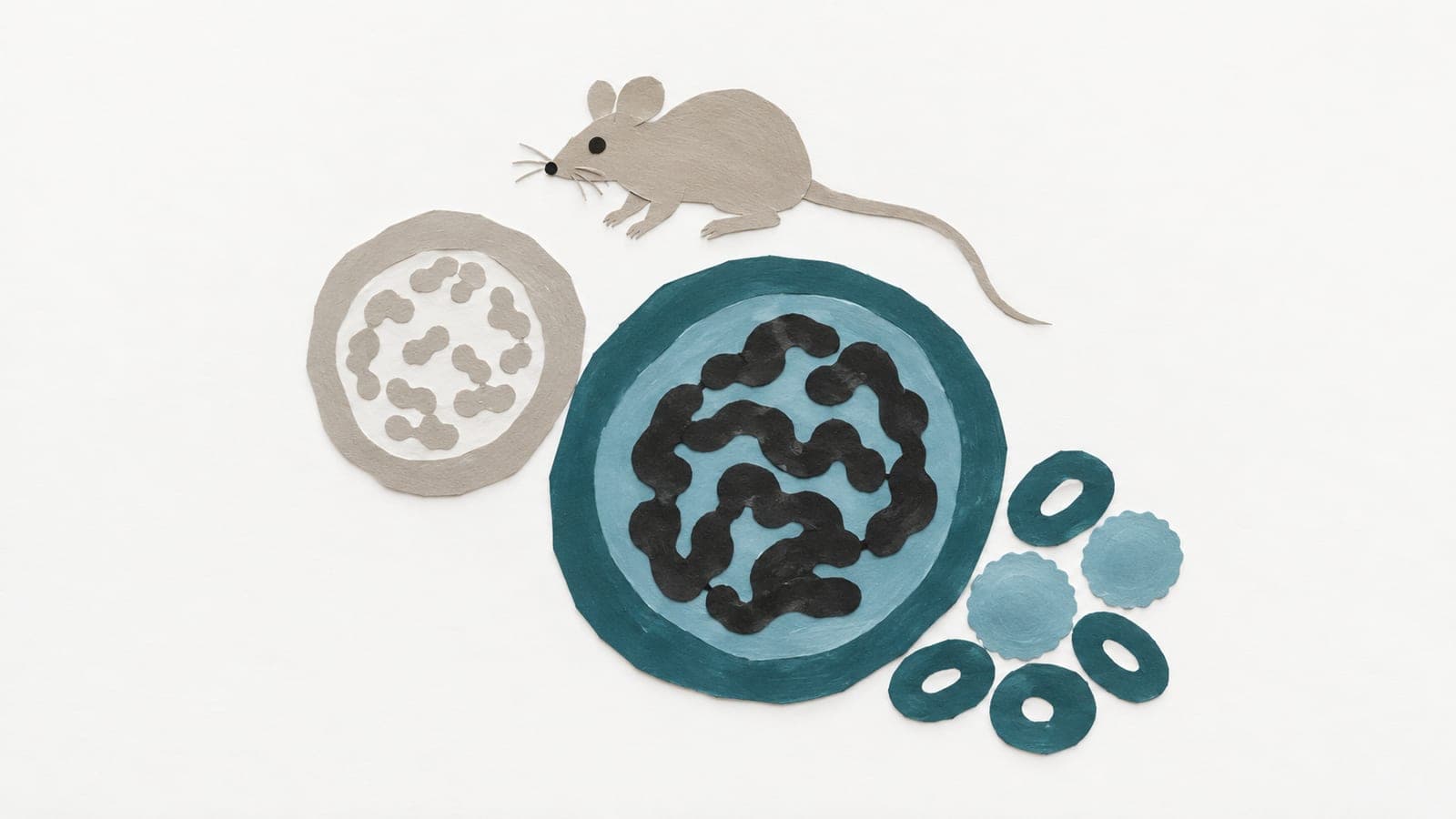
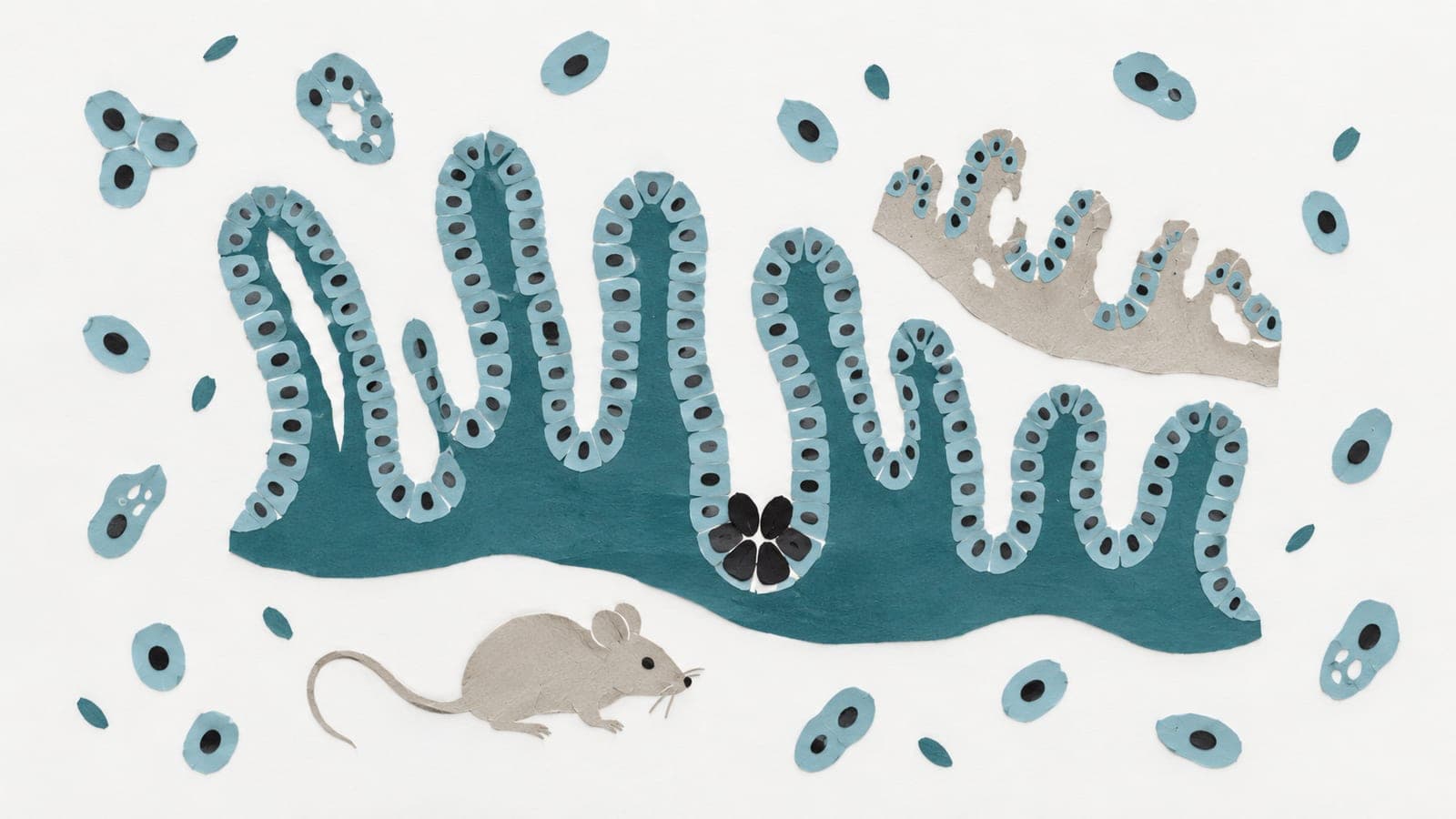
As we become older, systems throughout the body gradually decline in function. Contributing factors include the accumulation of senescent cells and the dysfunction and exhaustion of stem and progenitor cells. A promising approach to mitigate these changes and enhance cellular function in aged animals is the discovery that differentiated cells retain plasticity, enabling them to revert to pluripotent states when exposed to Yamanaka factors. This method has shown promise in models of rapid aging, and recent studies have demonstrated notable life extension in both flies and mice. These findings, along with the development of senolytics and aging clocks, could revolutionize aging research and interventions. Here, we review recent discoveries in the field and propose new directions for intervention discovery.
The paper
Duke-NUS Medical School; National University of Singapore
Cells, Jan 16, 2026, Open access