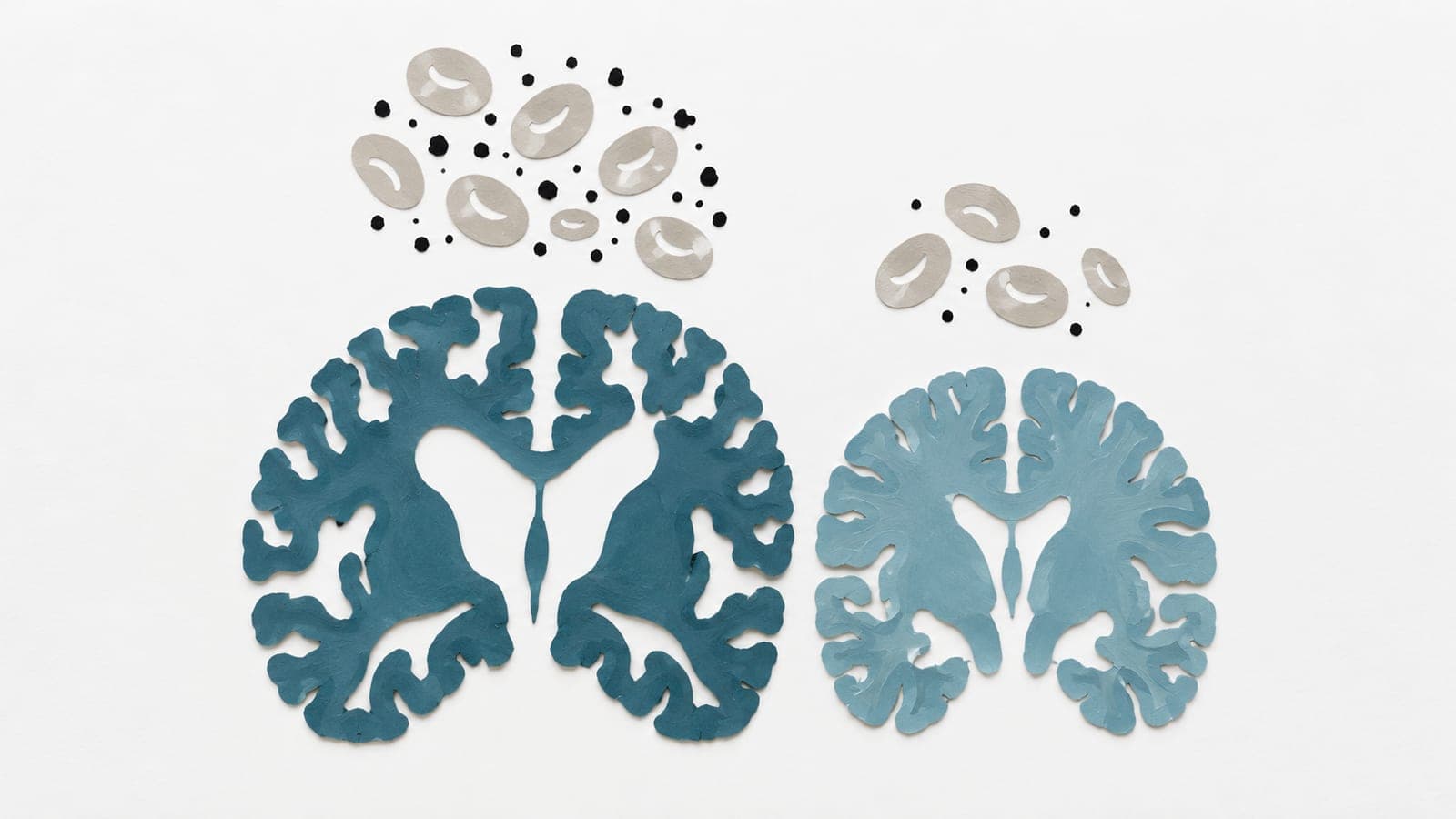
Error-prone translation as a driver of proteostasis collapse and neurodegeneration
Abstract
Error-prone translation, resulting in inaccuracies in protein synthesis, is increasingly recognized as a critical contributor to proteostasis disruption and the pathogenesis of age-related neurological disorders. In recent years, numerous studies have elucidated that stochastic errors during mRNA translation may act as a molecular "tipping point" initiating pathogenic protein misfolding. A detailed analysis of how translation errors lead to protein misfolding, aggregation, and subsequent neurotoxicity will facilitate the identification of promising therapeutic targets for neurodegenerative diseases such as Alzheimer's disease, Parkinson's disease, and amyotrophic lateral sclerosis. This article explores the contribution of mistranslation to proteostasis decline, focusing on the unique vulnerabilities of neuronal cells. We review the sources of translation errors, effects of ribosomal ambiguity and error-restrictive mutations, role of proteostatic mechanisms (such as molecular chaperones, ubiquitin-proteasome system, and unfolded protein response), and provide a unified perspective that links age-related translational infidelity to neurodegeneration. By synthesizing the most recent data obtained with genetically modified cellular and animal model studies, we highlight how age-associated decline in translational fidelity exacerbates proteostasis failure and propose potential therapeutic interventions targeting translation accuracy to mitigate neurodegeneration.
The paper
University of Basel
Neural Regeneration Research, 30 Dec 2025