Spermidine deficiency induces BNIP3/LC3B-mediated mitophagy in the salivary glands of accelerated aging mice
Abstract
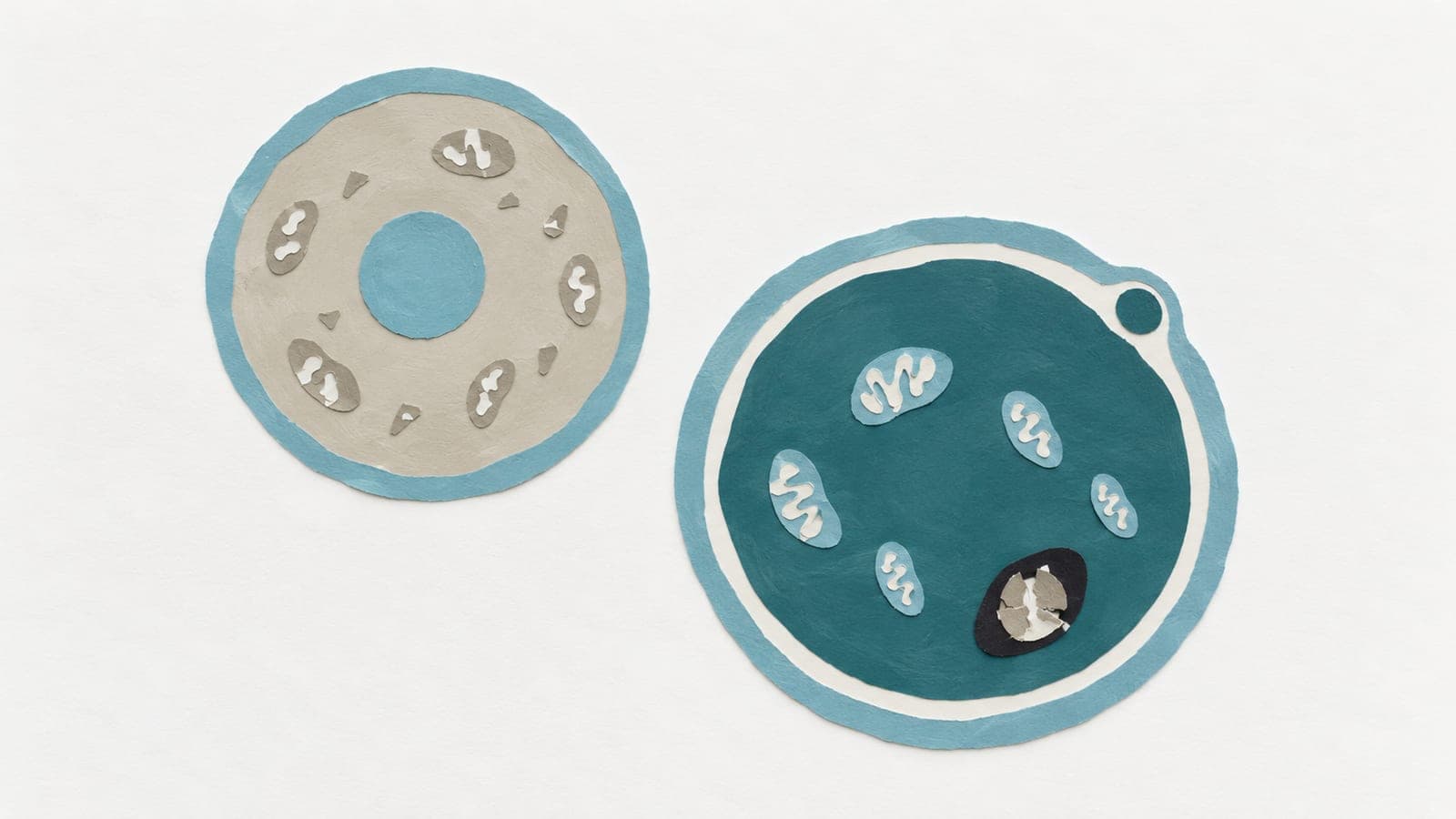
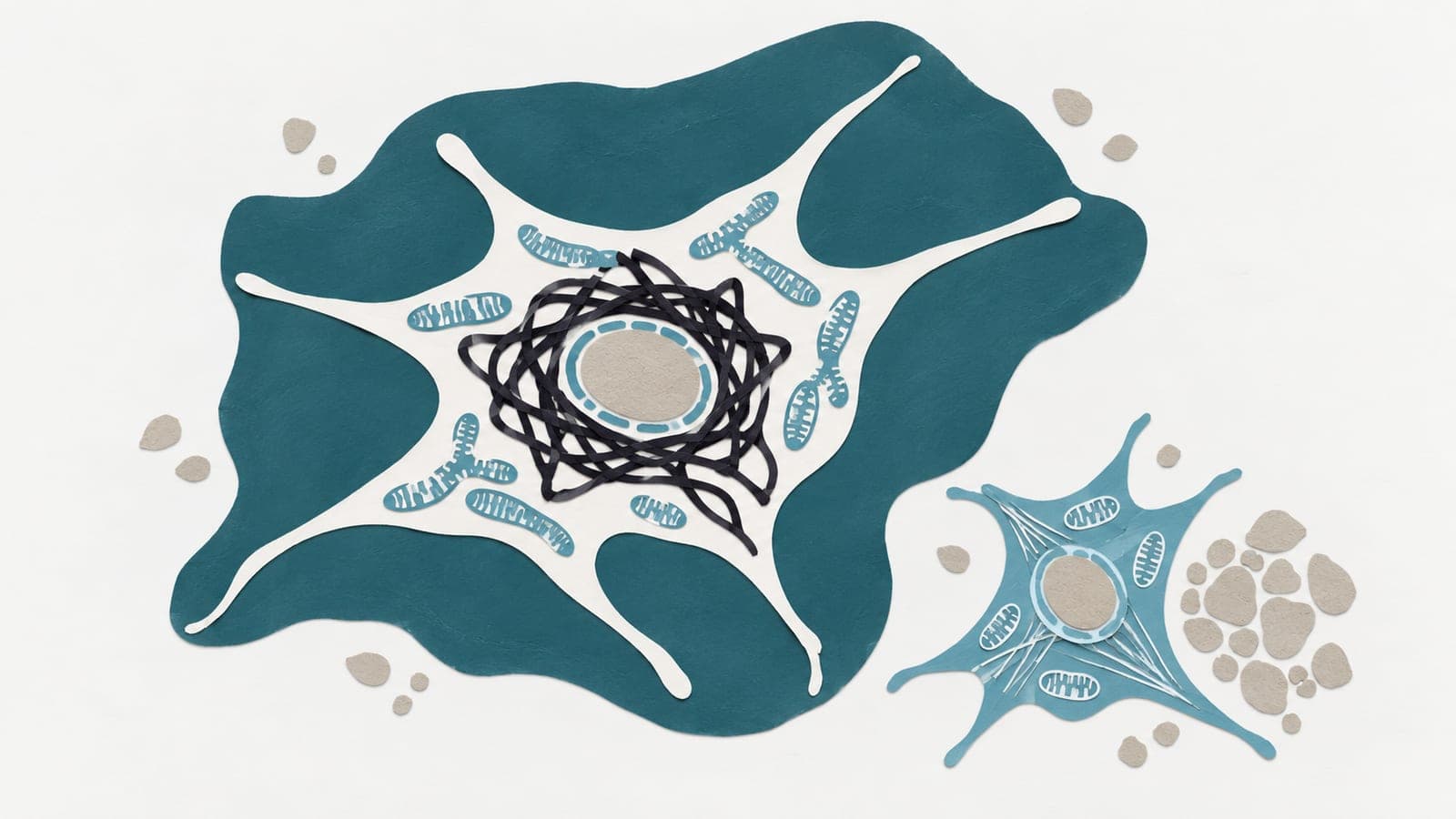
Aging is associated with mitochondrial dysfunction and altered autophagic processes, particularly in secretory organs such as the salivary glands. In this study, we investigated metabolic changes and their interactions with mitophagy in primary salivary gland cells (PSGCs) from klotho-deficient (kl-/-) mice, a model of accelerated aging. We observed a significant reduction in both mitochondrial number and mitochondrial DNA copy number in the PSGCs of kl-/- mice compared with those of wild-type (WT) controls. In contrast, lysosomal abundance was markedly increased in PSGCs from kl-/- mice. Moreover, the expression of the autophagy marker LC3B was significantly upregulated in kl-/- PSGCs, and the expression of the mitophagy markers BNIP3 and NIX increased. Our metabolomic profiling revealed disrupted spermidine biosynthesis in the salivary glands of kl-/- mice. Interestingly, spermidine treatment in kl-/- PSGCs increased the number of mitochondria and suppressed mitophagy, as indicated by the reduced expression of BNIP3 and LC3B. Conversely, in WT PSGCs, spermidine induced the expression of autophagy and mitophagy markers, namely, BNIP3 and LC3B. These findings suggest that accelerated aging in mice impairs mitochondrial homeostasis and alters autophagy/mitophagy pathways in salivary gland cells, potentially through the dysregulation of spermidine metabolism. Our results provide insight into the molecular mechanisms of aging in salivary glands and reveal the potential role of polyamine metabolism in maintaining mitophagy during aging.
The paper
Mayo Clinic; Chosun University
Biochimica et Biophysica Acta General Subjects, 16 Dec 2025