Phosphorylated tau aggregation in the brains of aged Artiodactyla animals
By Nakayama Y, Chambers JK, Uchida K
Abstract
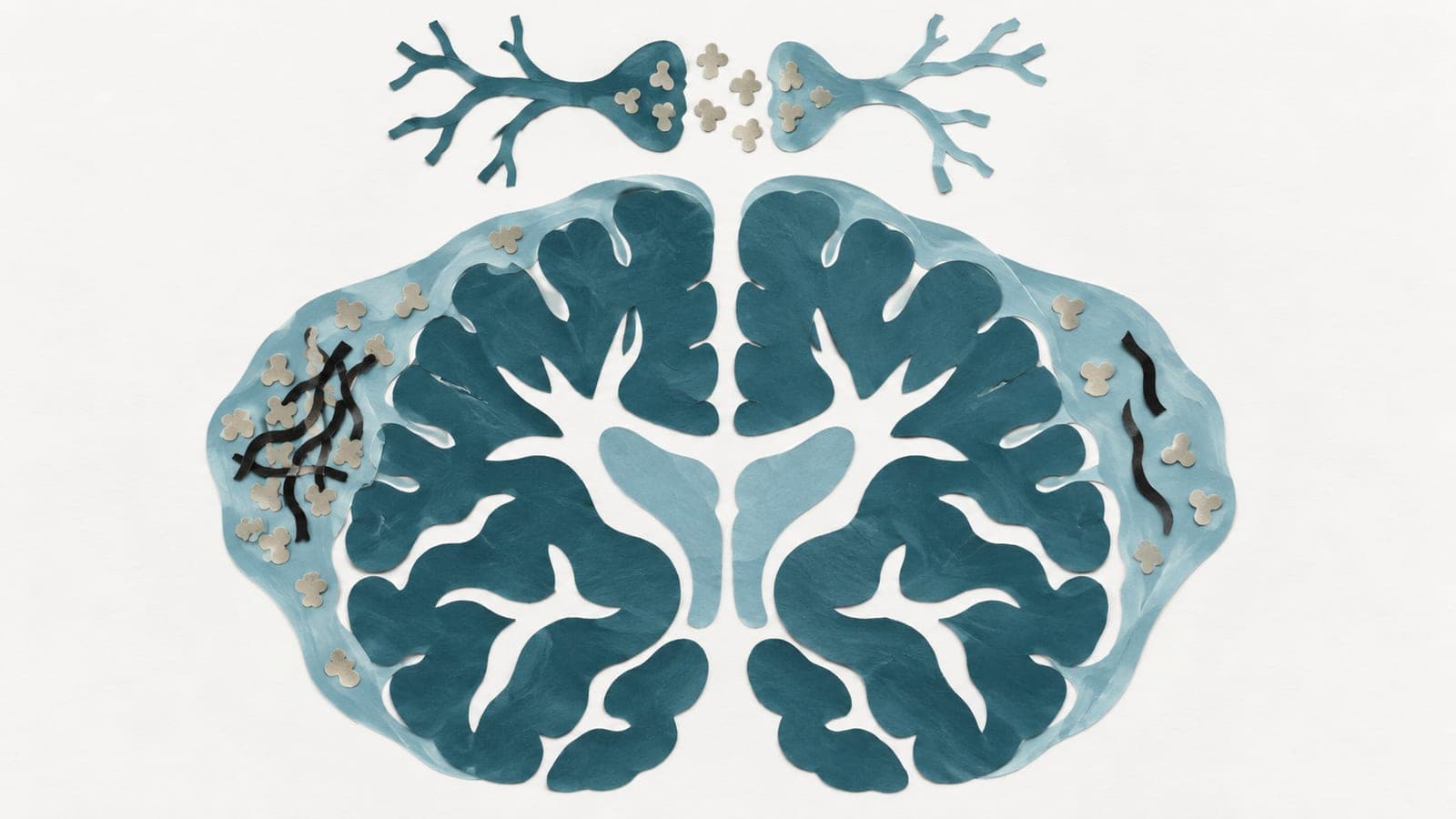
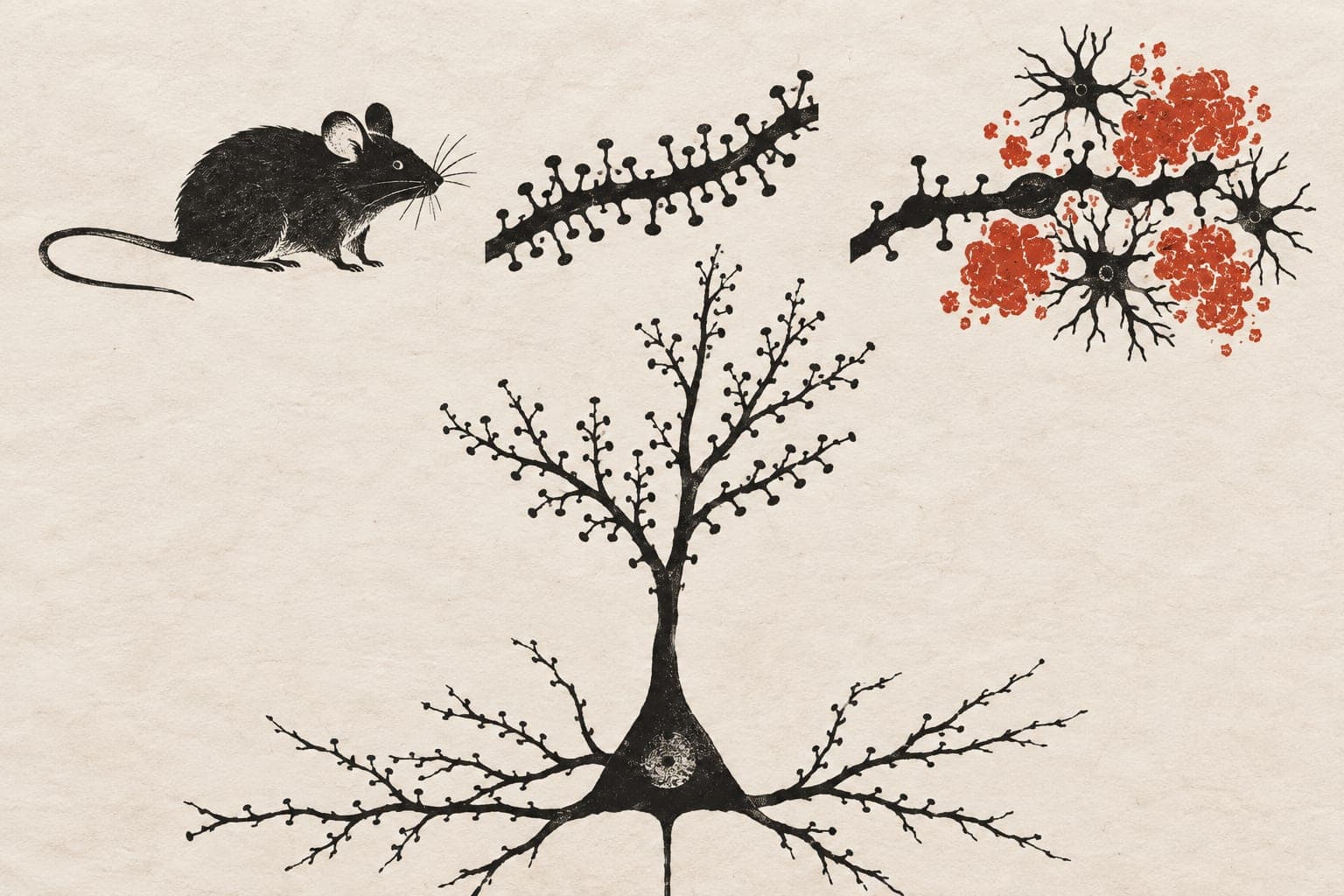
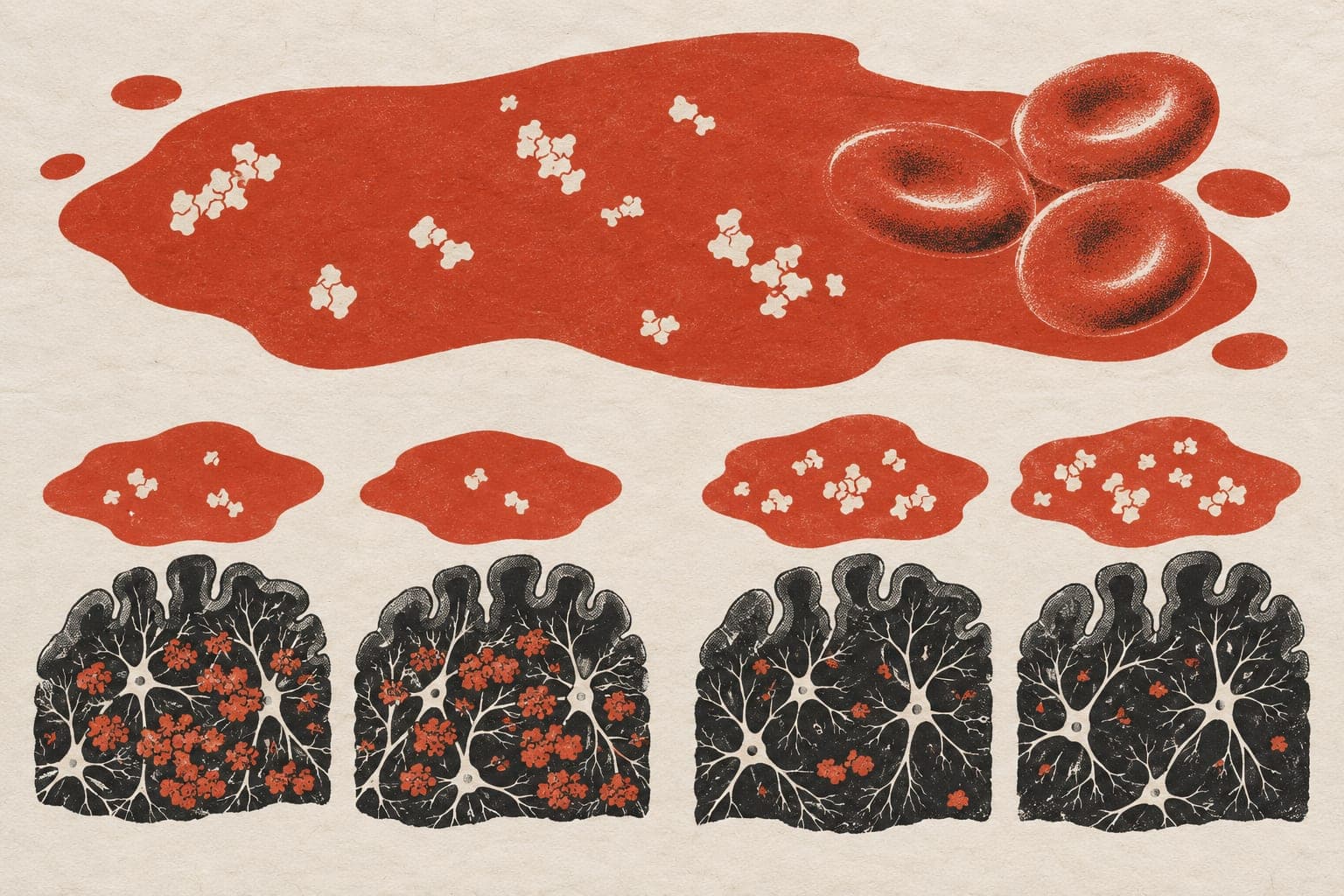
The aggregation of amyloid-β (Aβ) and phosphorylated tau (p-tau) in the human brain is associated with Alzheimer disease (AD). Although Aβ aggregation has been reported in various mammals, significant p-tau aggregation has been reported in only a few species. We examined Aβ and p-tau aggregation in the brains of 30 animals belonging to 12 artiodactyl species. Amyloid-β aggregates were observed in 2 animals (21 and 22 years old); p-tau aggregates were observed in all animals >9 years of age (n = 12). Regarding tau pathology, mildly affected animals exhibited neuropil threads (NTs), whereas severely affected animals exhibited NTs and neurofibrillary tangles. The most severe p-tau aggregation was observed in the parahippocampal gyrus, basal ganglia, hippocampus, and cerebral cortex. Proteinase K treatment resulted in high proteinase resistance for 4-repeat tau and low resistance for 3-repeat tau. These results suggest that p-tau aggregation occurs prior to Aβ aggregation in artiodactyls, which differs from other mammalian species and human AD. Regarding the distribution, p-tau aggregated in neurites and then in the neuronal cell soma of the parahippocampal gyrus and spread to associated regions of the brain. Moreover, 4-repeat tau was the main component of proteinase-resistant p-tau aggregates in the artiodactyl brains studied.
The paper
Nakayama Y, Chambers JK, Uchida K
Journal of Neuropathology and Experimental Neurology, 18 Dec 2025