Stage-specific risk factors of cardiometabolic multimorbidity: A systematic review and meta-analysis from incidence to mortality
Abstract
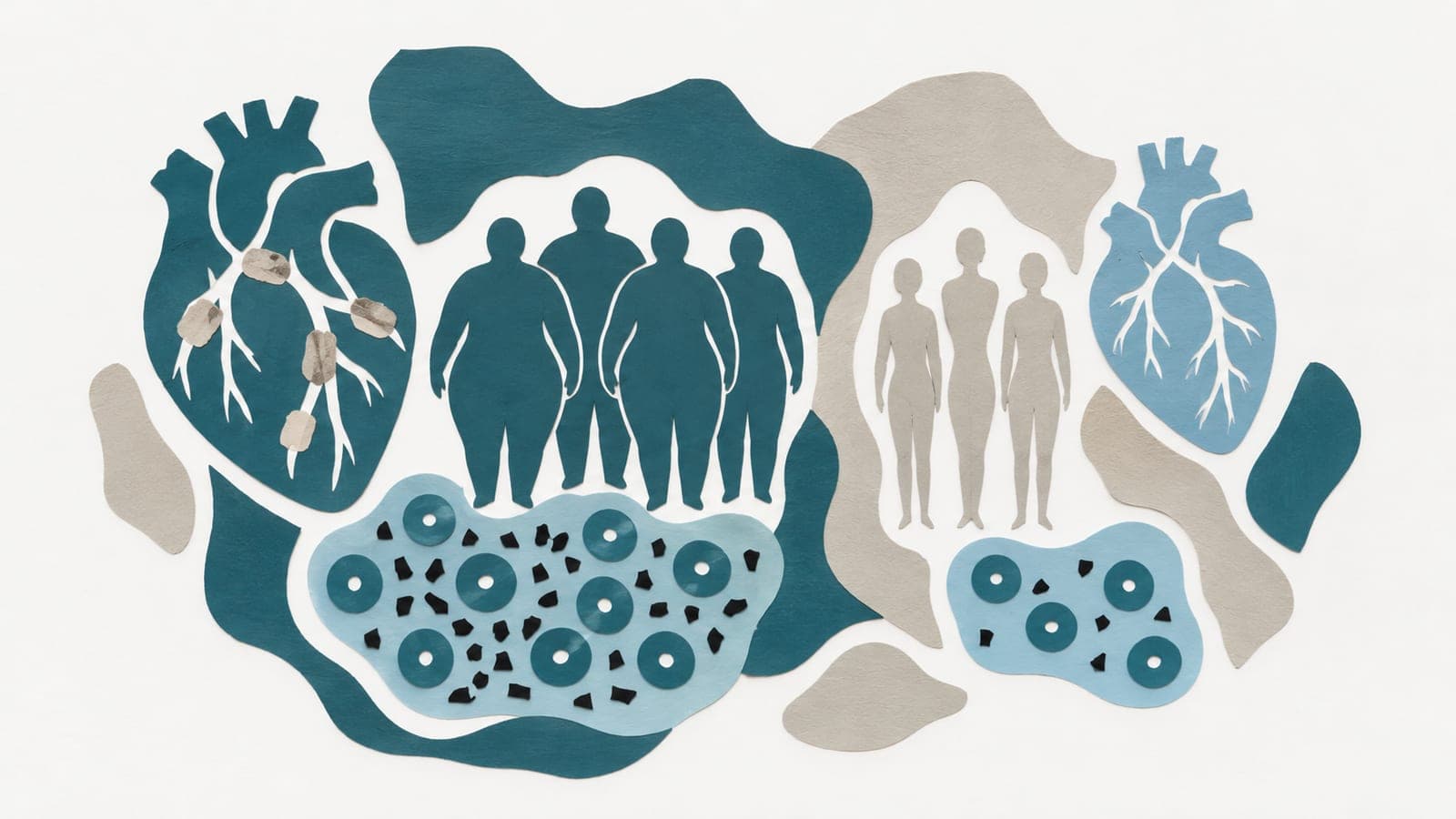
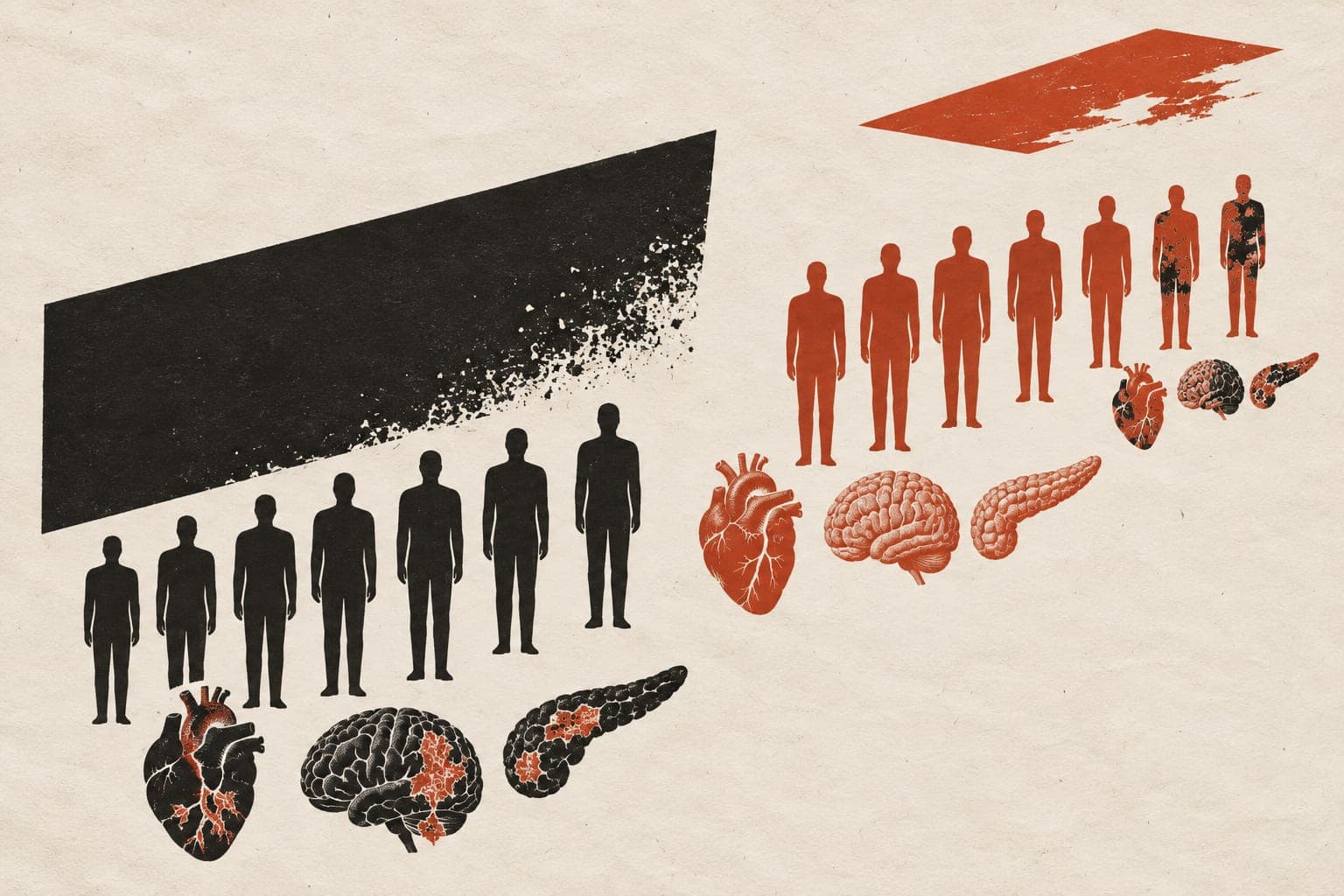
BACKGROUND: Cardiometabolic multimorbidity (CMM)-the co-occurrence of diabetes, cardiovascular disease, and related conditions-is a growing global health burden. Identifying risk factors across its developmental trajectory is critical for targeted prevention. METHODS: We conducted a systematic review and meta-analysis to quantify risk factors for the incidence and progression of CMM across five transitions: health → first cardiometabolic disease (FCMD), FCMD→CMM, CMM→death, FCMD→death, and health→death. For incidence, we used conventional random-effects meta-analysis to estimate pooled odds ratios (ORs). For disease progression, we applied Bayesian multi-state meta-analysis to estimate pooled hazard ratios (HRs). Subgroup analyses were performed to assess heterogeneity. RESULTS: Nine modifiable risk factors were identified for CMM incidence. Metabolic factors (overweight: OR=1.82, obesity: OR=3.13, hypertension: OR=2.05) and socioeconomic determinants (low income: OR=1.24, living alone: OR=1.58) showed the strongest associations. Depression (OR=1.70) and behavioral factors (smoking, physical inactivity, alcohol use) further increased risk. Trajectory analyses revealed stage-specific drivers: overweight/obesity drove transitions from healthy to FCMD (OR=1.69) and FCMD to CMM (OR=1.36), while smoking showed escalating effects across stages (health→FCMD: OR=1.22; FCMD→CMM: OR=1.37; CMM→death: OR=1.83). Alcohol use and physical inactivity increased mortality risk (13-28 %). Heterogeneity primarily stemmed from outcome measurement methods (i.e., objective vs. self-reported) and CMM composition. CONCLUSION: CMM prevention requires stage-specific prioritization: early weight management, hypertension control and depression intervention to mitigate incidence; smoking cessation to curb progression; and intensified lifestyle interventions targeting smoking and alcohol cessation in established CMM. This evidence underscores the need for dynamic, trajectory-informed interventions to reduce the CMM burden.
The paper
Hangzhou Normal University; Hangzhou Medical College
Ageing Research Reviews, 11 Dec 2025