Mechanosensitive Yes-Associated Protein/TAZ-cGAS-STING Axis Induces Periodontal Ligament Fibroblasts Senescence and Mediates Compression-Induced Root Resorption
Abstract
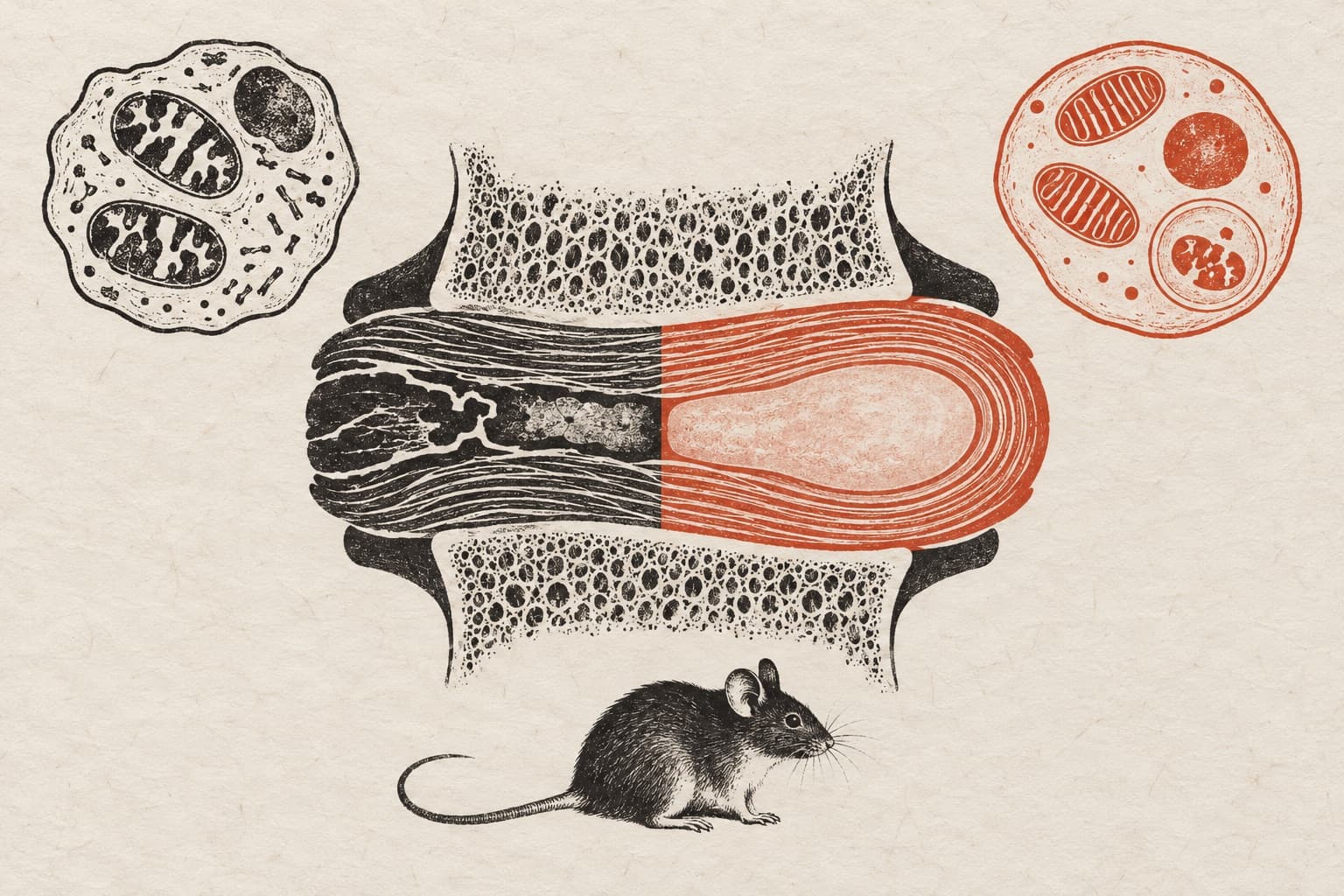
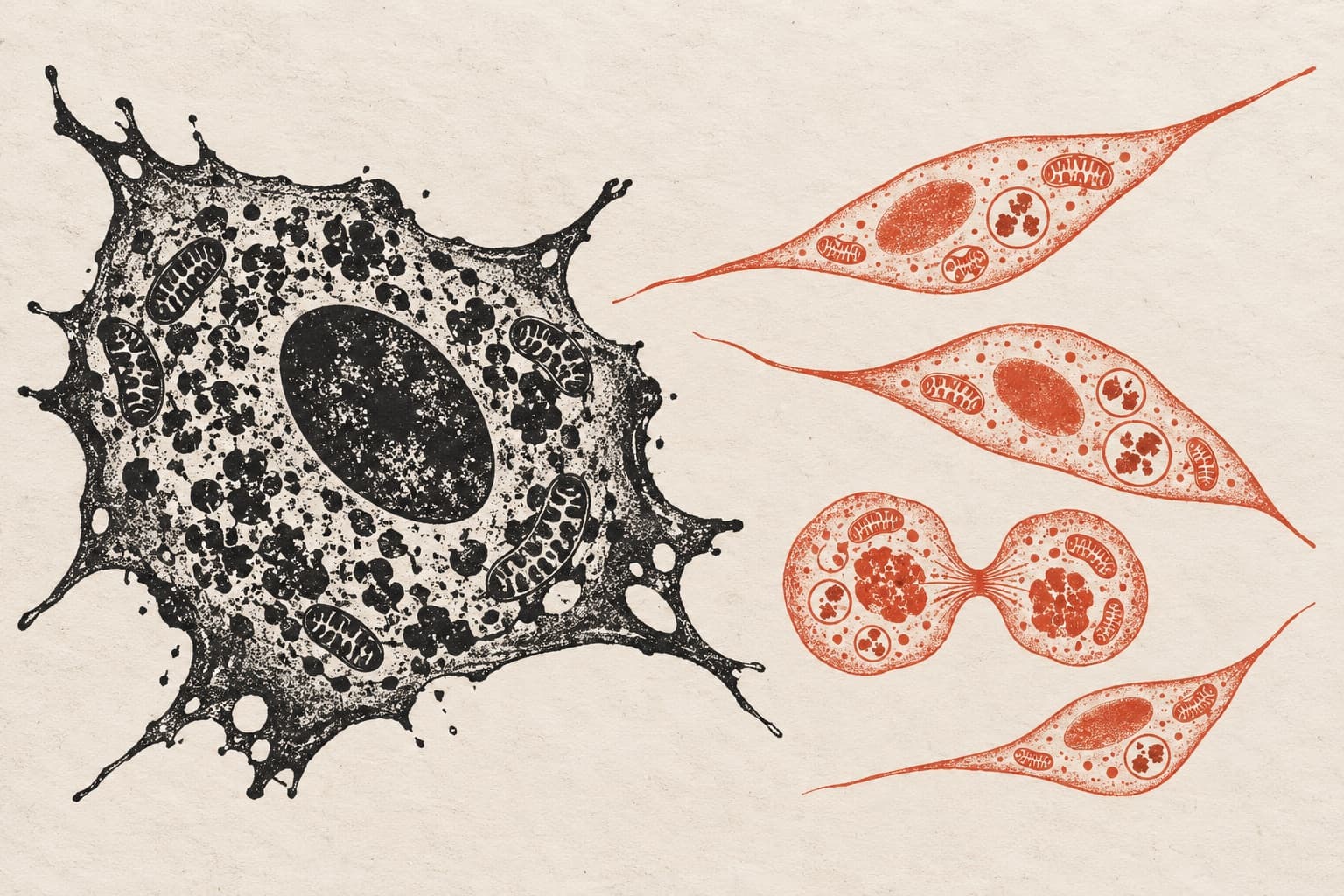
OBJECTIVE: This study investigates compressive force-induced senescence in periodontal ligament fibroblasts (PDLFs) and its mechanistic role in orthodontic root resorption. MATERIALS AND METHODS: PDLFs senescence under compressive forces was evaluated using β-galactosidase staining, Western blotting, and immunofluorescence. Functional consequences of senescence were assessed via Alizarin Red S for mineralization and TRAP staining for osteoclast differentiation. Yes-associated protein (YAP) signalling dynamics were analysed through Western blot and immunofluorescence, with pharmacological activation by XMU-MP-1. The interplay between YAP and the cGAS/STING pathway was investigated using pharmacological interventions. Finally, senescence-mediated effects on mineralization and osteoclastogenesis were evaluated post-treatment with pathway-specific agonists or inhibitors. RESULTS: Compressive forces induced senescence in PDLFs, evidenced by SA-β-gal activation and reduced mineralization capacity. Coculture with osteoclast precursors amplified osteoclast differentiation. Mechanistically, compressive forces inactivated mechanosensitive YAP, triggering senescence, rescued by YAP agonist XMU-MP-1. The YAP/cGAS/STING axis was identified as central: YAP inactivation upregulated cGAS/STING signalling, while STING agonist c-di-GMP exacerbated senescence and impaired mineralization. Pharmacological validation confirmed bidirectional regulation - YAP activation reduced senescence/osteoclastogenesis, whereas STING inhibition reversed these effects. CONCLUSION: Mechanical stress-induced YAP dysfunction drives PDLF senescence via cGAS/STING pathway activation, establishing a novel mechanobiological axis in root resorption.
The paper
Guangxi Medical University; Zhejiang University
International Dental Journal, 11 Dec 2025
doi.org/10.1016/j.identj.2025.109303PubMed 41385921
Corrected, 1 Apr 2026