STIM1 Reduction Prevents Tubular Aggregate Formation and Compromises Muscle Performance in Ageing Mice
By Pérez-Guàrdia L, Silva-Rojas R, Laporte J et al.
18 months
Abstract
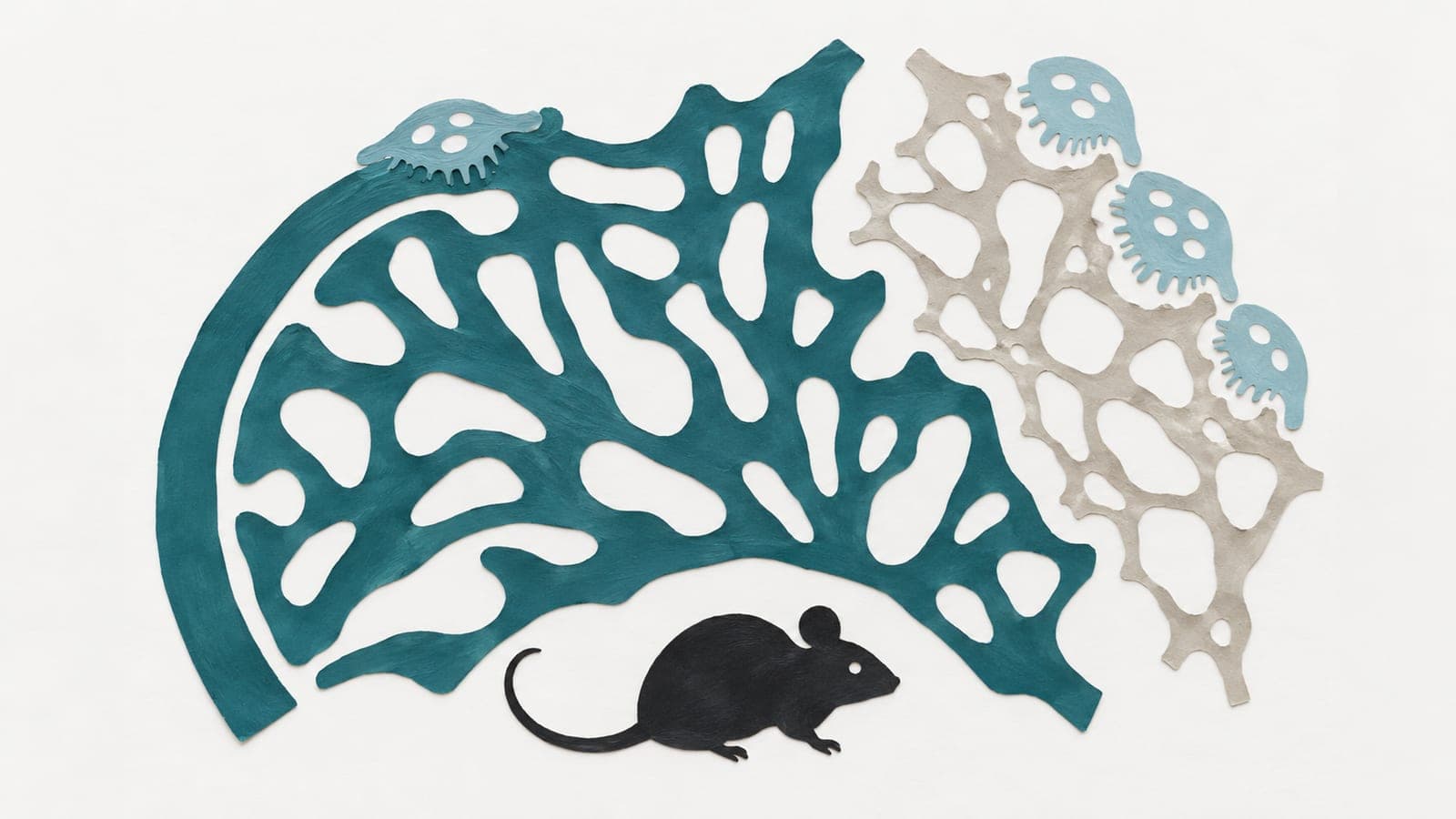
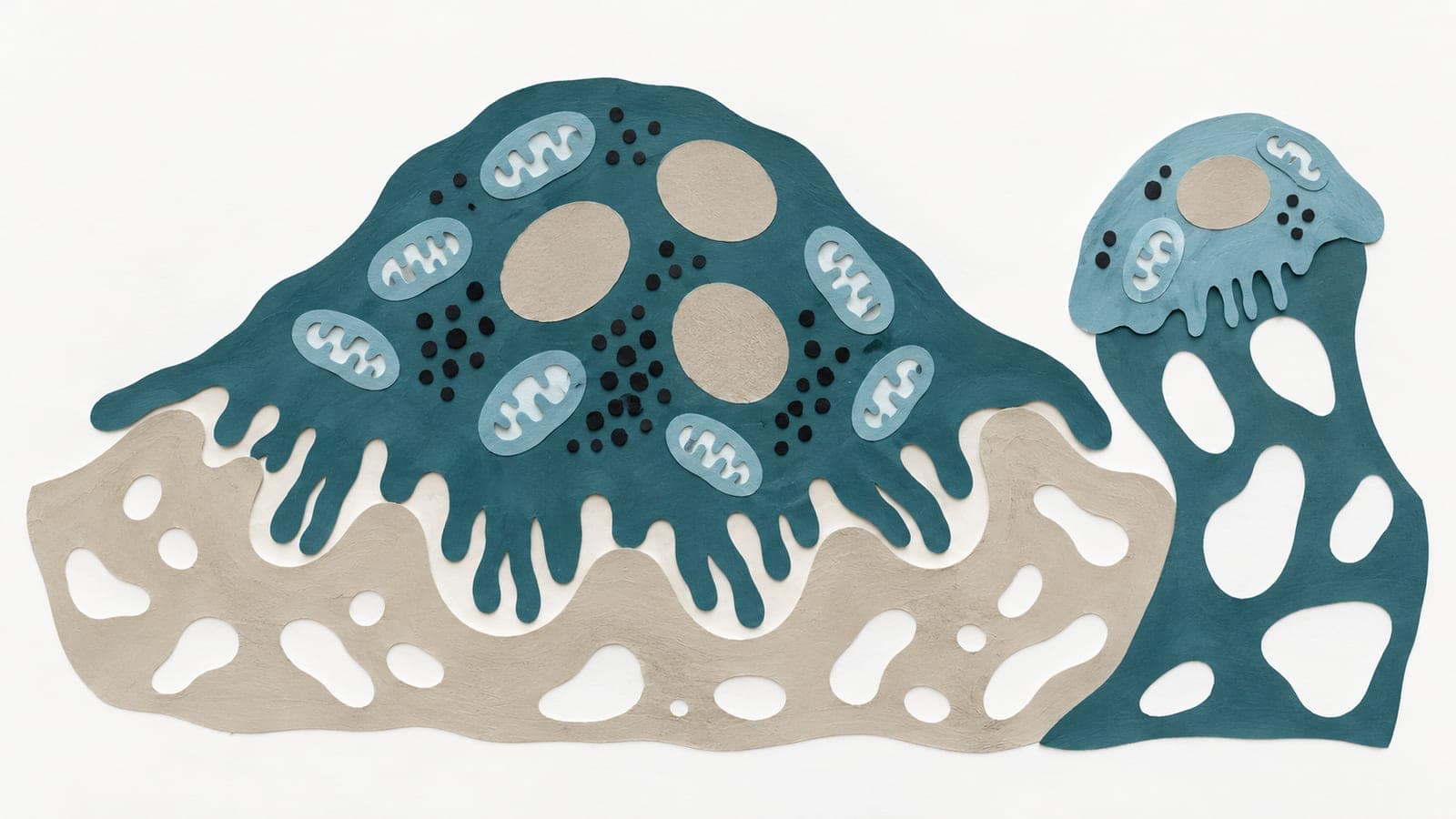
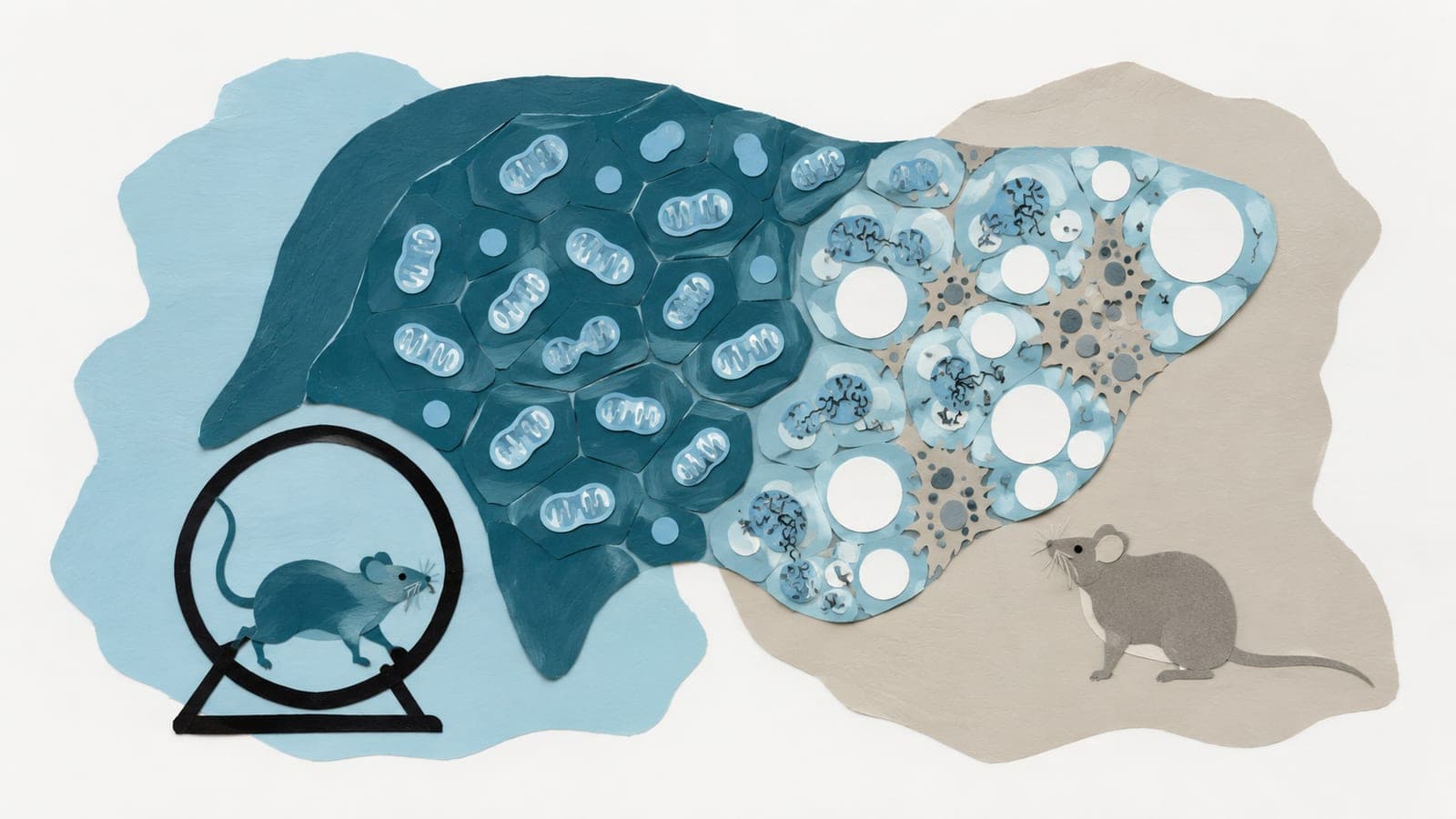
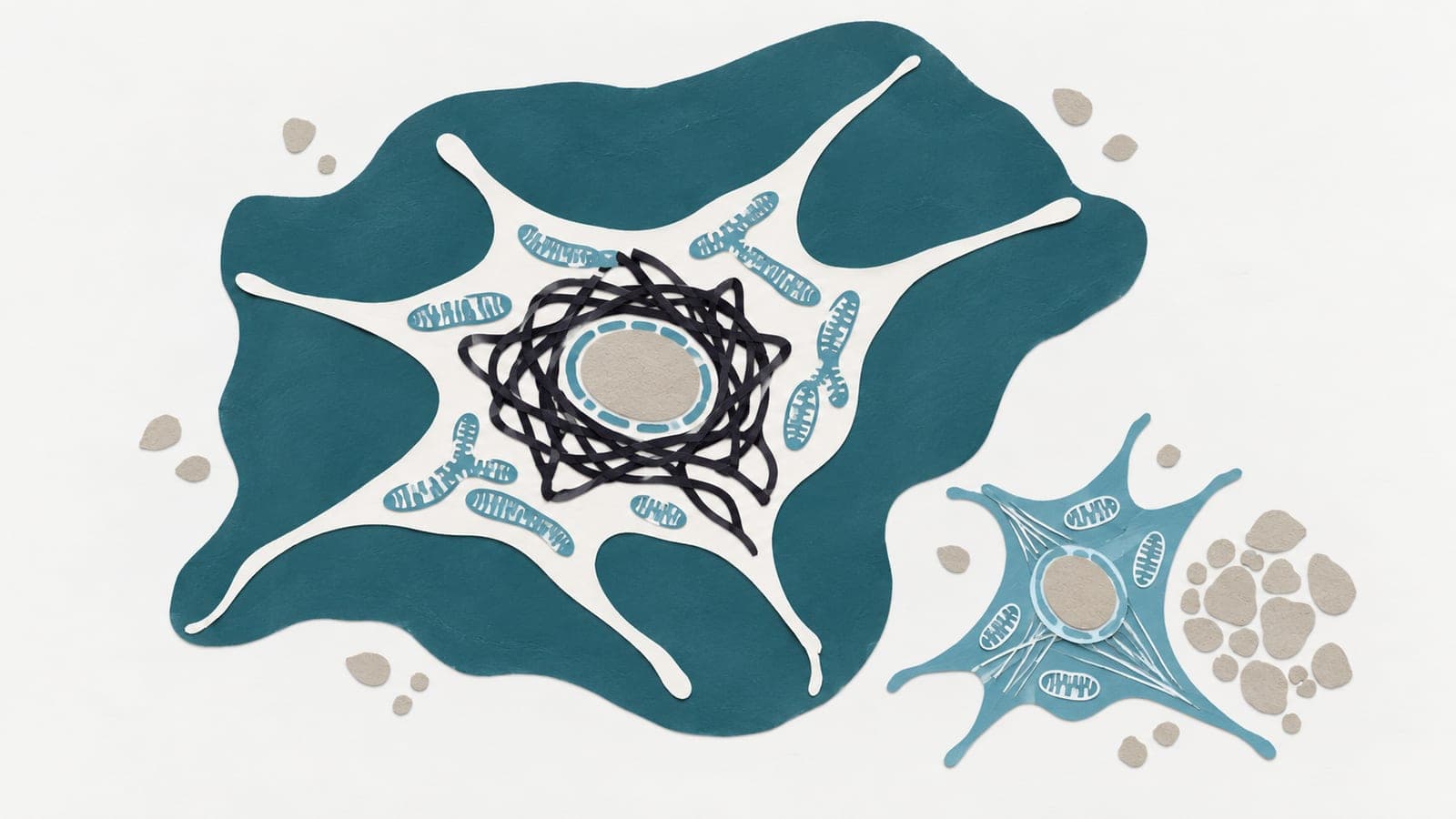
BACKGROUND: Ageing is an irreversible process involving the gradual decline of cellular functions in all tissues. In male mice, age-related loss of muscle force is accompanied by the formation of tubular aggregates, which are honeycomb-like structures composed of membrane tubules, proteins and Ca²⁺ deposits. Tubular aggregates are also found in tubular aggregate myopathy (TAM) and Stormorken syndrome (STRMK), two clinically overlapping human disorders affecting skeletal muscle, bones, skin, spleen and platelets. TAM/STRMK is caused by gain-of-function mutations in the ubiquitously expressed Ca²⁺ sensor STIM1 and results in excessive extracellular Ca²⁺ entry and the dysregulation of Ca²⁺ homeostasis. METHODS: To understand the correlation between ageing, tubular aggregate formation, Ca²⁺ and STIM1, we conducted comparative analyses of WT and Stim1+/- male mice until 18 months of age. We examined growth, general and specific muscle force, fatigability and muscle structure. RESULTS: Stim1+/- mice were born with the expected Mendelian ratio and showed unremarkable postnatal development with normal body and organ weight. However, at 18 months, Stim1+/- mice manifested delayed muscle contraction (Δ = 28%, p < 0.05) and relaxation (Δ = 40%, p < 0.01) kinetics as well as exacerbated fatigue (Δ = 28%, p < 0.05) compared with age-matched controls. Morphological investigations of Stim1+/- muscle sections by light and electron microscopy uncovered a shift towards slow myofibres and mitochondrial proliferation accompanied by enhanced SDH activity (Δ = 27%, p < 0.0001), an almost twofold increase in ROS production (p < 0.05), and signs of mitophagy-all representing histopathological hallmarks of age-related deterioration of muscle function known as sarcopenia. Strikingly, tubular aggregates-though abundant in WT muscles at 18 months-were absent in Stim1+/- mice. CONCLUSIONS: Taken together, STIM1 depletion by 50% had no discernible effect on muscle function in young adult male mice, but compromised muscle performance and resistance to fatigue at later life stages. These findings highlight a critical role of STIM1 and Ca²⁺ balance in the maintenance of muscle physiology, fibre type composition and mitochondrial bioenergetics. The absence of tubular aggregates in Stim1+/- mice indicates that tubular aggregates possibly play a protective role and may contribute to the prevention of age-related muscle alterations.
The paper
Pérez-Guàrdia L, Silva-Rojas R, Laporte J et al.
Journal of Cachexia, Sarcopenia and Muscle, 1 Dec 2025