The TGF-β1-oxidative stress axis underlies accelerated senescence of endothelial cells exposed to serum from hypertensive patients
By Uruski P, Mikuła-Pietrasik J, Tykarski A et al.
71 participants, 72 hours
Abstract
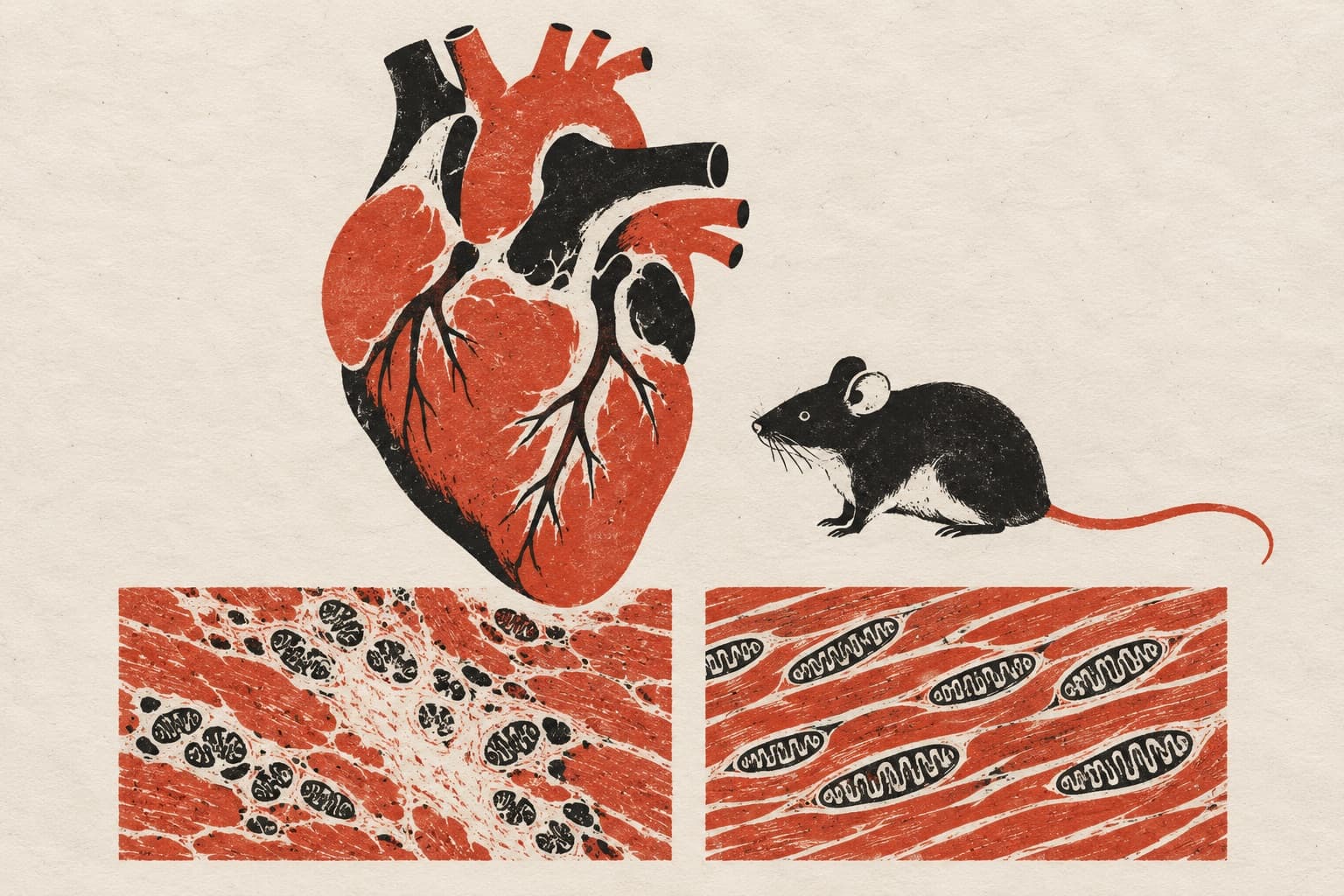
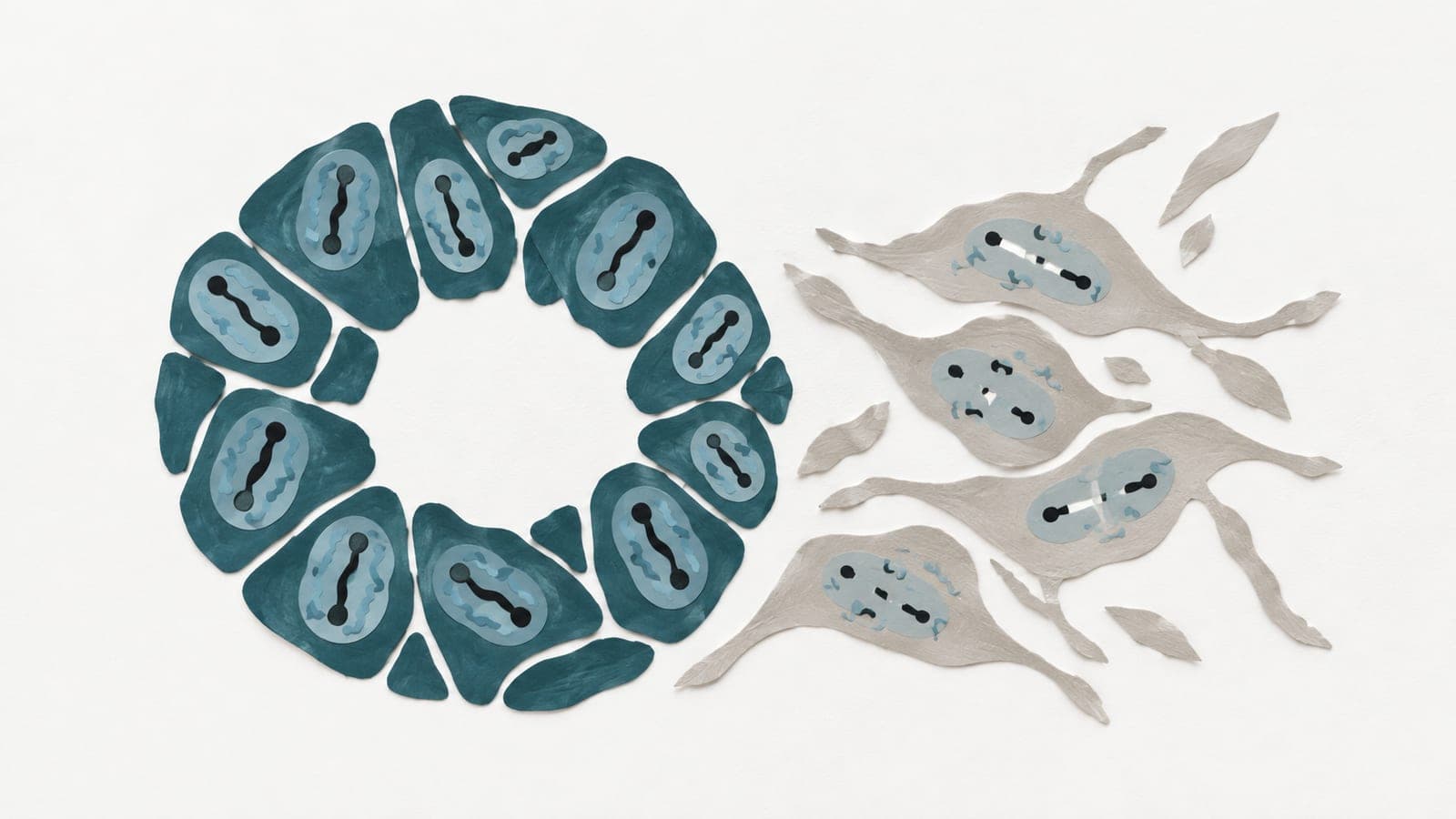
BACKGROUND: There is a bidirectional link between hypertension (HT) and cellular senescence of endothelial cells (ECs). However, the mechanisms underlying EC senescence in patients with HT are not yet fully understood. METHODS AND RESULTS: We analyzed serum from 71 patients with primary HT and compared it to serum from 25 healthy donors to assess its effects on EC biology, including biomarkers, signaling pathways, and cellular senescence effectors. Our findings revealed that exposing ECs to serum from HT patients (20 % for 72 h) impaired cell viability while enhancing proliferation, migration, and tubulogenesis. This effect is accompanied by increased expression of HIF-1α. Additionally, HT serum potentiated the expression of the senescence marker SA-β-Gal, shortened telomeres, and up-regulated cell-cycle inhibitors p16, p21, and p53. Regarding the signaling pathways, HT serum activated ERK1/2, p38 MAPK, AP-1/c-jun, and Notch1. Indices of oxidative stress in ECs treated with HT serum also increased, as indicated by elevated production of superoxides, activation of antioxidants (SOD, CAT), and accumulation of oxidized DNA, proteins, and lipids. Furthermore, mitochondria in these cells displayed decreased inner membrane potential and increased biogenesis, likely due to enhanced activity of PGC-1α. The activity of respiratory chain enzymes, including cytochrome c oxidase and NADH dehydrogenase, was also elevated. When HT serum-treated ECs were pre-incubated with the ROS scavenger PBN, the activity of SA-β-Gal decreased. A similar reduction in SA-β-Gal activity was observed when HT serum, which contained elevated levels of TGF-β1, was pre-incubated with a TGF-β1-neutralizing antibody. Importantly, exogenous TGF-β1, administered at a dose corresponding to its concentration in HT serum, induced senescence in ECs. CONCLUSIONS: Our results indicate that serum from HT patients promotes senescence in ECs through mechanisms related to TGF-β1 and oxidative stress signaling.
The paper
Uruski P, Mikuła-Pietrasik J, Tykarski A et al.
Mechanisms of Ageing and Development, 26 Nov 2025