Osteosarcopenic obesity and the progression of physical frailty, cognition function, and mental health: First longitudinal evidence from ELSA
Abstract
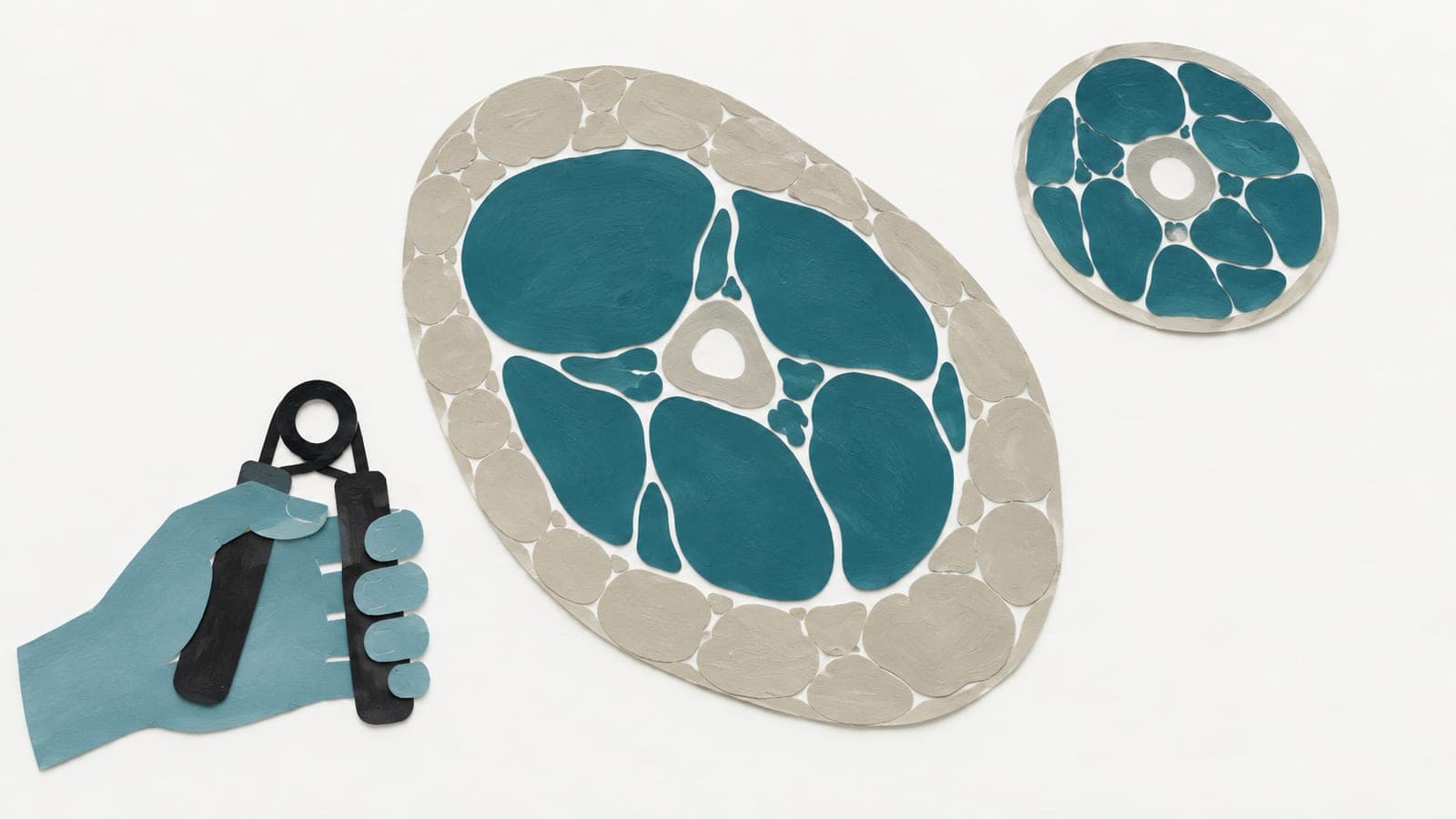
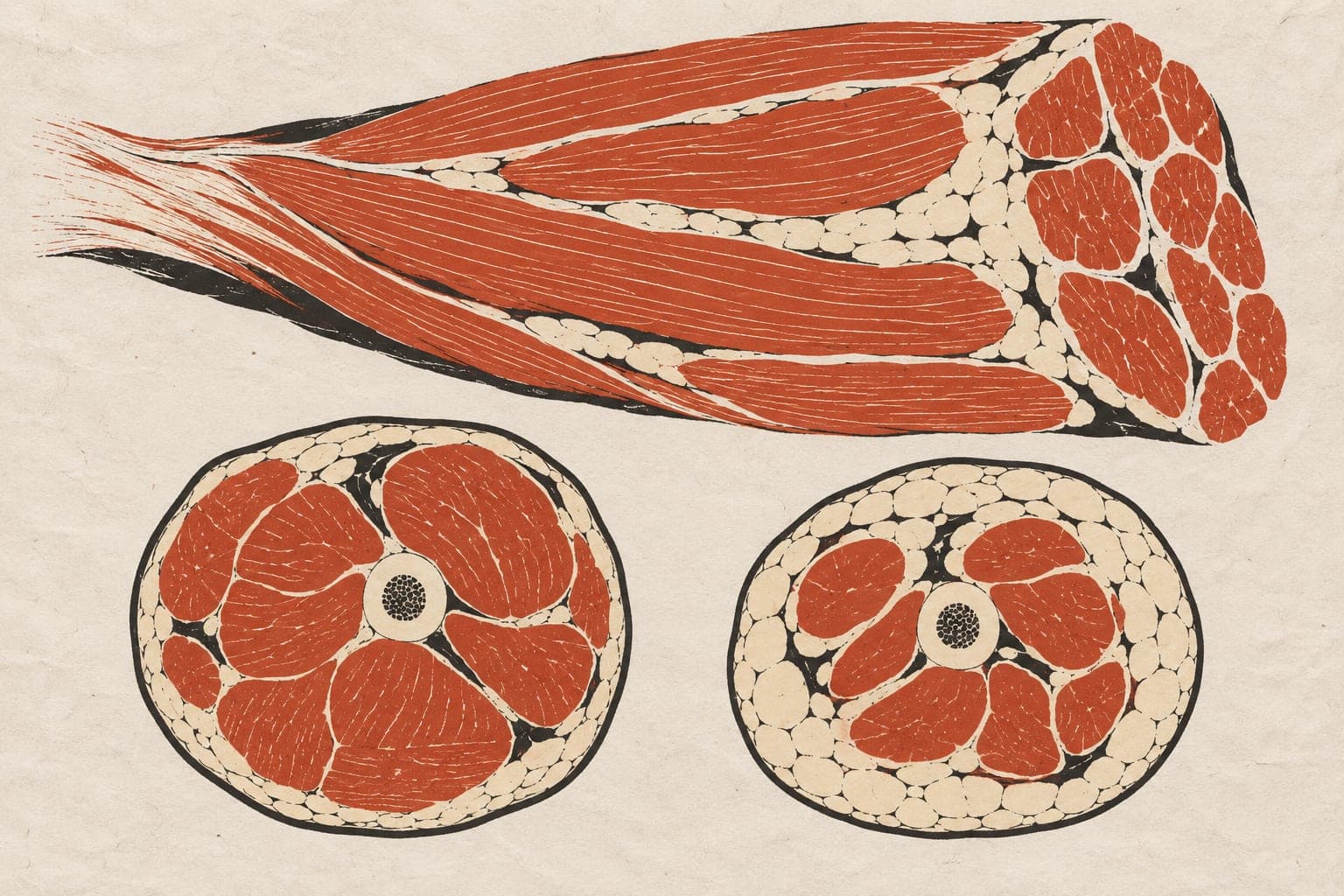
BACKGROUND: Osteosarcopenic obesity (OSO), the coexistence of osteoporosis, sarcopenia, and obesity, has been linked to poor health outcomes, but its longitudinal impact on aging-related trajectories remains unclear. METHODS: We used data from the English Longitudinal Study of Ageing (ELSA), including adults aged ≥50 years with up to 14 years of follow-up. Physical frailty, cognitive function, and mental health were assessed every 2 years. OSO components were defined at baseline, and participants were categorized by the number of conditions (OSO/0-3). Linear mixed-effects models estimated the associations of OSO and its components with outcome trajectories, adjusting for covariates. Sensitivity analyses were conducted. RESULTS: Participants with osteoporosis, sarcopenia, or obesity showed worse progression of frailty and cognition than those without. Mental health exhibited minimal and inconsistent change over time. Increasing OSO burden (from 0 to 3 conditions) was associated with progressively greater frailty and cognitive decline. Sarcopenia was consistently linked to all three outcomes, whereas osteoporosis was primarily associated with frailty progression and obesity with subtle changes in cognition. Sensitivity analyses were largely consistent with the primary analysis. CONCLUSIONS: OSO and its components are important predictors of adverse aging-related trajectories.
The paper
First Affiliated Hospital of Zhengzhou University
The Journal of Nutrition, Health & Aging, 27 Nov 2025