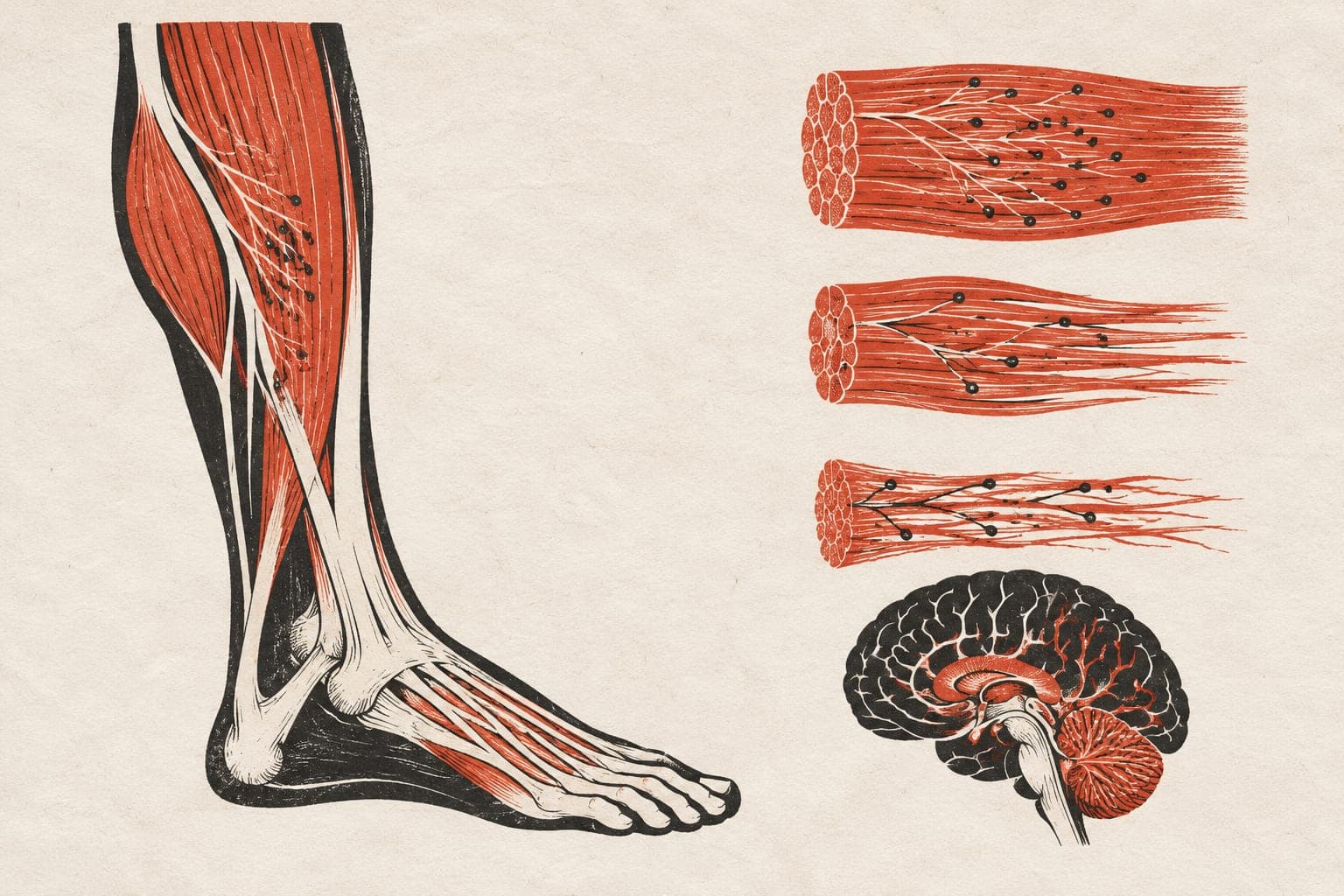
Low muscle and excess fat coexisted in adults with disabilities
Among 77 institutionalised adults with profound intellectual and multiple disabilities, 51% had excess body fat alongside sarcopenia, a condition involving low muscle mass and strength.
Brain & Development
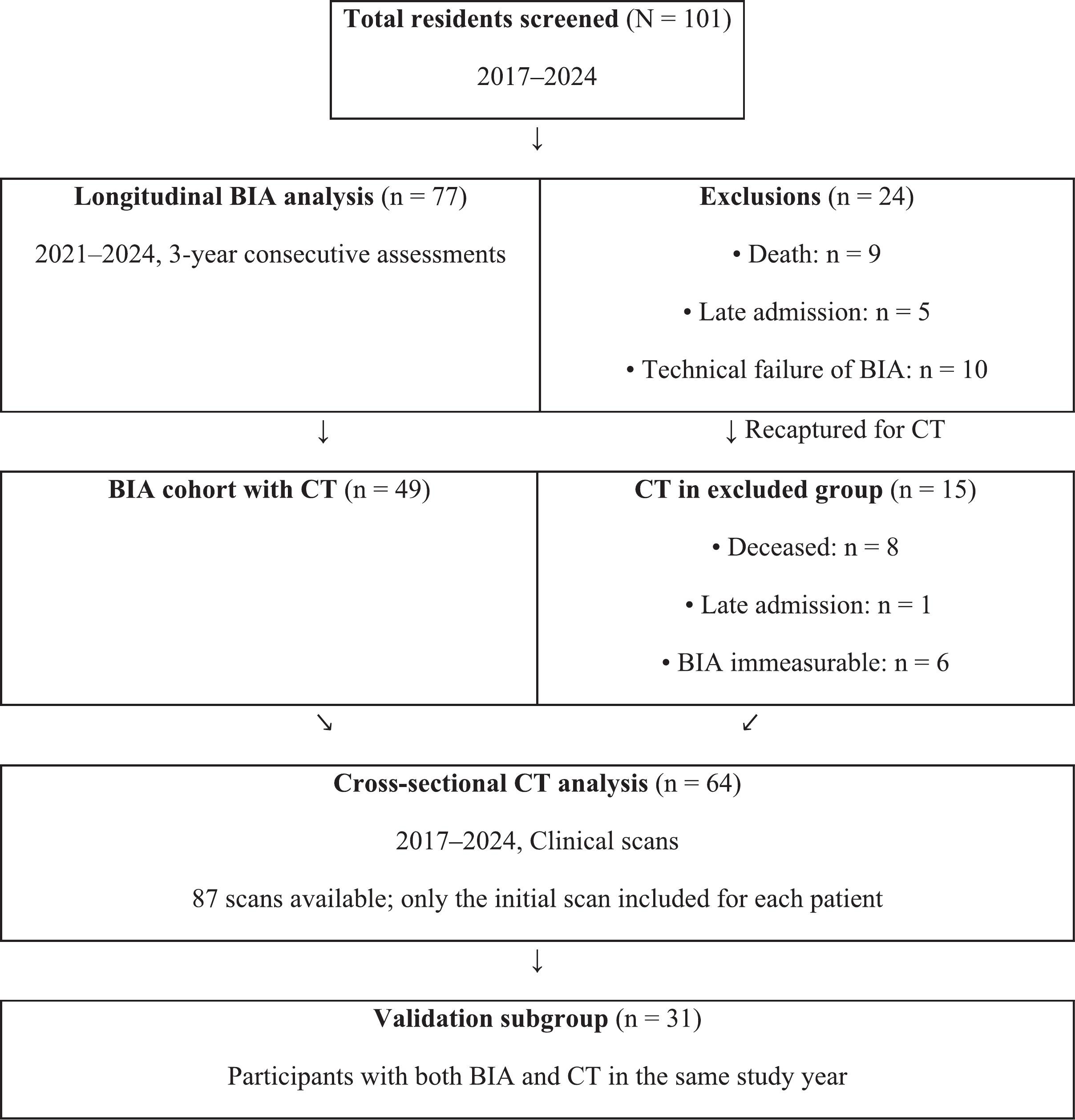
In an observational study, 77 institutionalised adults with profound intellectual and multiple disabilities had annual body composition assessments over three years. Their median age was 52 years. Researchers used bioelectrical impedance analysis, which estimates body composition using a small electrical current. Computed tomography scans, which use X-rays, were available for 64 participants.
All participants had sarcopenia, a condition marked by low muscle mass and strength. Of these, 51% also met body-fat criteria for obesity. This group had a higher but still low body mass index, a measure of weight relative to height, than those with sarcopenia alone: 18.2 versus 15.9 kilograms per square metre. Yet they had less muscle relative to height. Over three years, muscle mass relative to height fell from 3.9 to 3.6 kilograms per square metre. Body fat rose from 31% to 35%.
Why it matters
Sarcopenia concerns the low muscle mass and strength often seen with aging. The authors supported using body composition assessments to guide individual nutrition and rehabilitation strategies for adults with profound disabilities.
Caveats
This observational study did not test whether nutrition or rehabilitation improved outcomes. The participants were institutionalised adults with profound disabilities, and only 31 had electrical measurements and scans at the same time.
- Profound intellectual and multiple disabilities
- Sarcopenia
- Body mass index
- Myosteatosis
- Sarcopenic obesity
- Humans
The paper
Tokyo Metropolitan Higashiyamato Medical Center for the Severely Disabled
Brain & Development · 5 Oct 2026