Plasma Alzheimer's biomarkers and physical functions in aging adults with and without motoric cognitive risk syndrome
Abstract
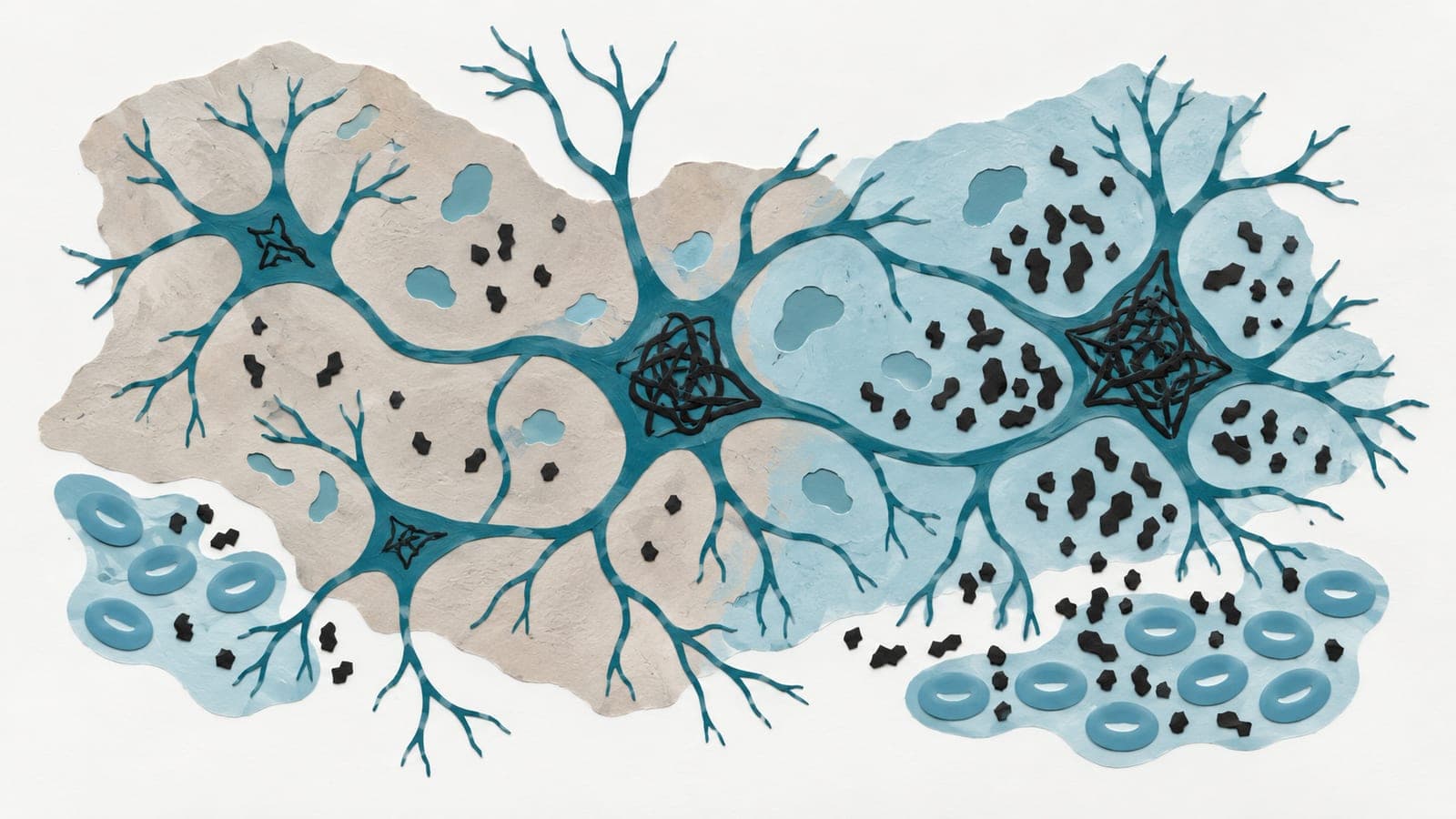
BACKGROUND: Mobility impairments such as slowed gait and diminished functional capacity are increasingly recognized as early indicators of neurodegenerative processes in aging, including Alzheimer's disease. While cerebrospinal fluid and imaging biomarkers have shown links to physical decline, blood-based biomarkers offer a less invasive and more scalable alternative. However, their associations with physical performance across different stages of cognitive aging remain insufficiently explored. This study aimed to examine the cross-sectional associations between plasma amyloid beta 42 and total tau levels and physical function in older adults with normal cognition, motoric cognitive risk syndrome, and mild Alzheimer's disease. METHODS: A total of 159 community-dwelling older adults were enrolled and categorized into three cognitive groups. Plasma biomarker levels were measured using immunomagnetic reduction assays. Physical function was assessed using gait speed, Timed Up and Go, tandem stance, and dual-task walking. Generalized linear models were applied to assess associations between biomarkers and performance within each group. RESULTS: Higher plasma amyloid beta 42 levels were significantly associated with poorer Timed Up and Go performance in the full sample and in those with motoric cognitive risk syndrome. Unexpectedly, higher plasma total tau levels were positively associated with gait speed in the motoric cognitive risk group. No significant associations were observed for balance or dual-task performance. CONCLUSION: Plasma biomarkers may reflect stage-specific mobility changes in aging populations. Their integration with performance-based tests may support early identification of functional decline and guide timely interventions.
The paper
National Taipei University of Technology; Mackay Medical University
Experimental Gerontology, 24 Nov 2025