High‑intensity exercise training inhibits excessive autophagy in the hyperlipidemic myocardium of ApoE‑/‑ mice via the NAD⁺‑mediated SIRT1/MFN2 pathway
Abstract
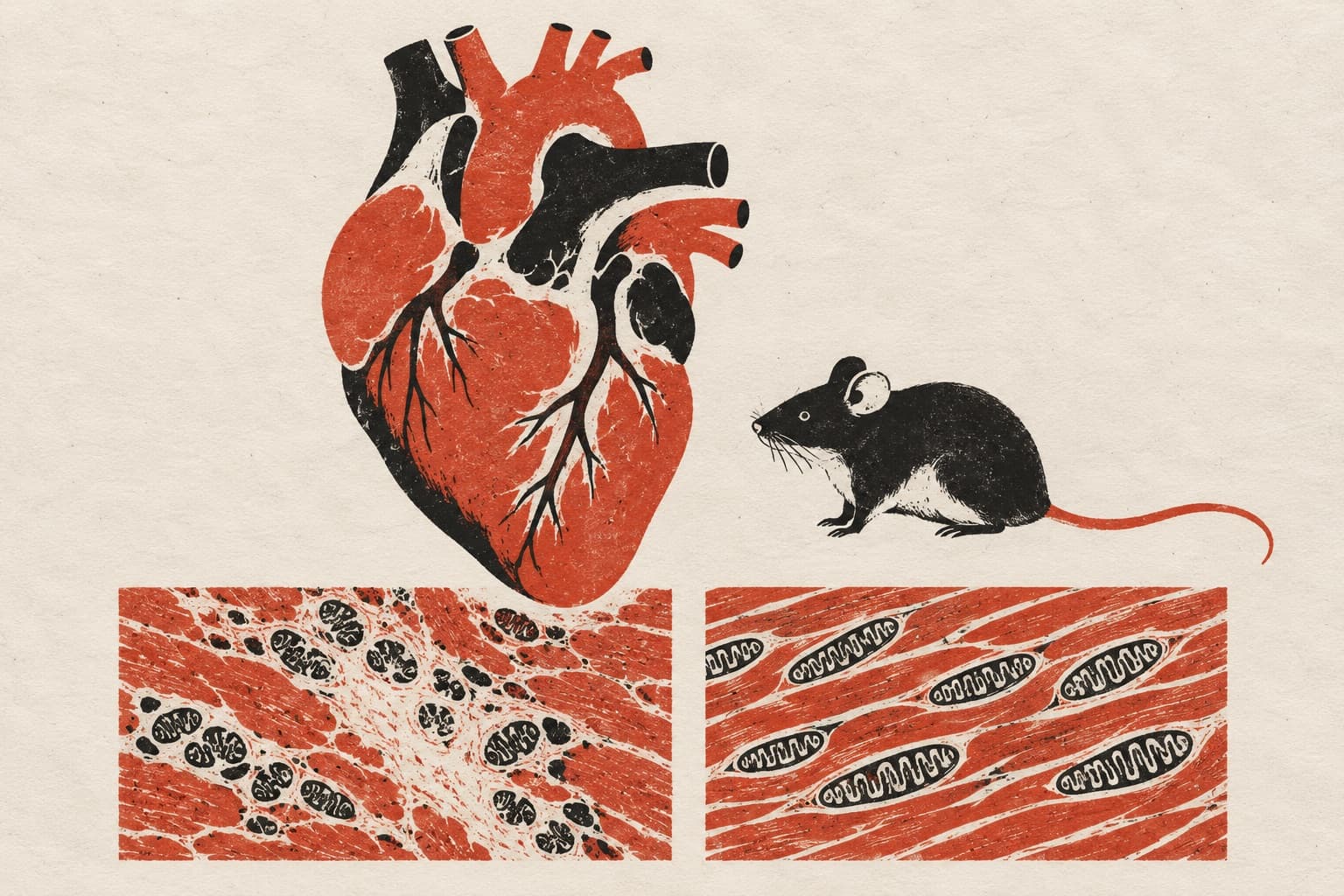
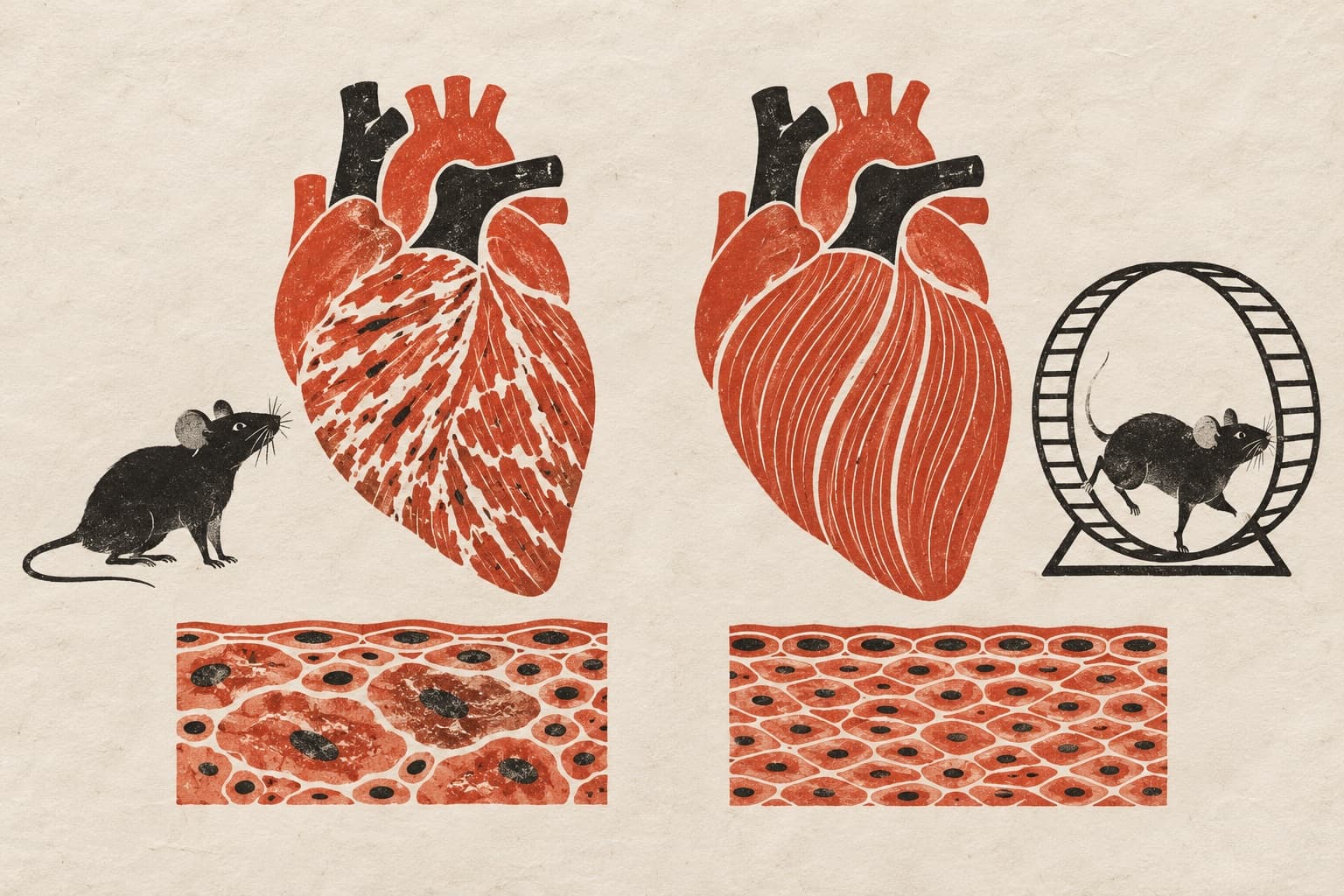
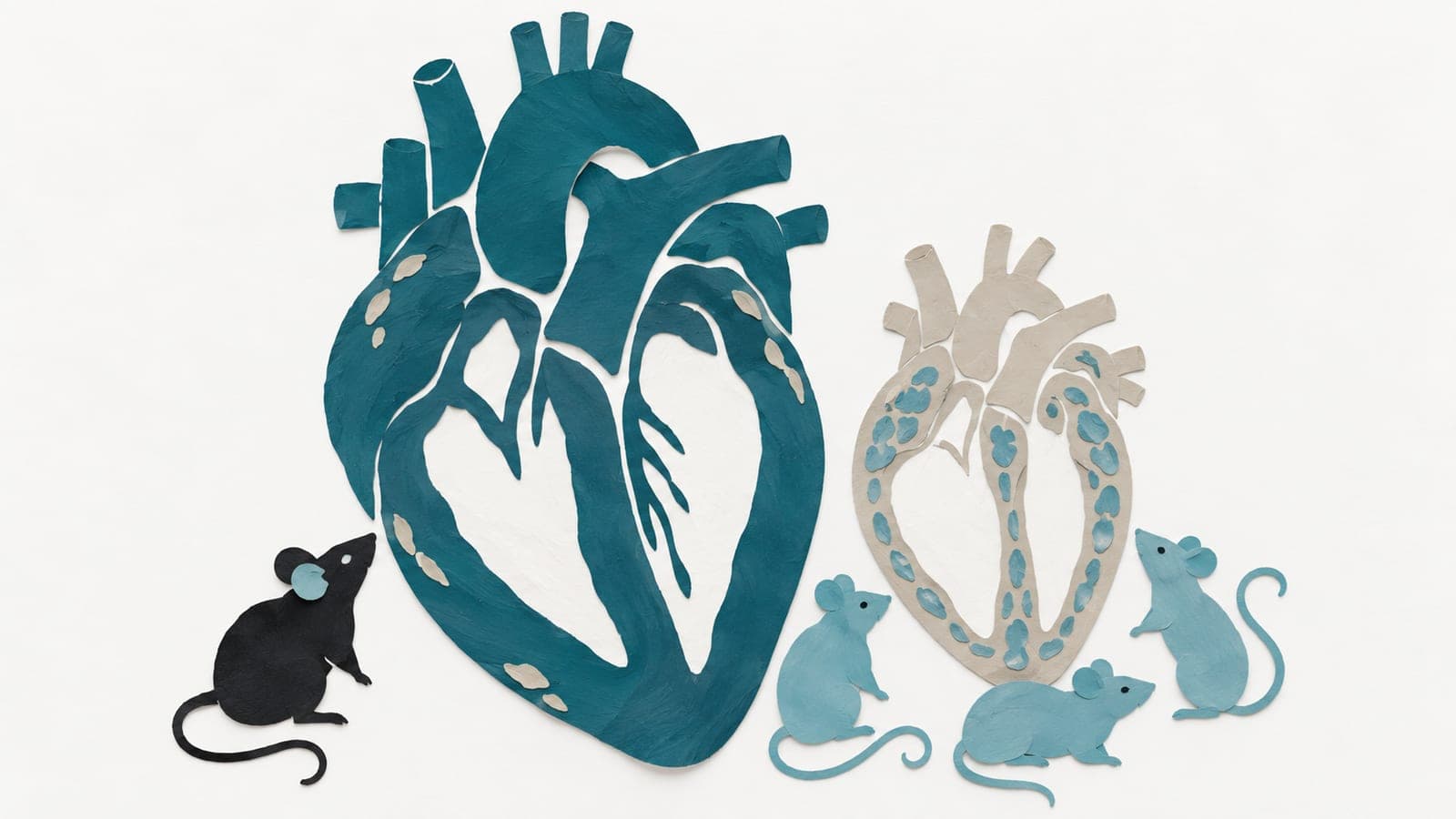
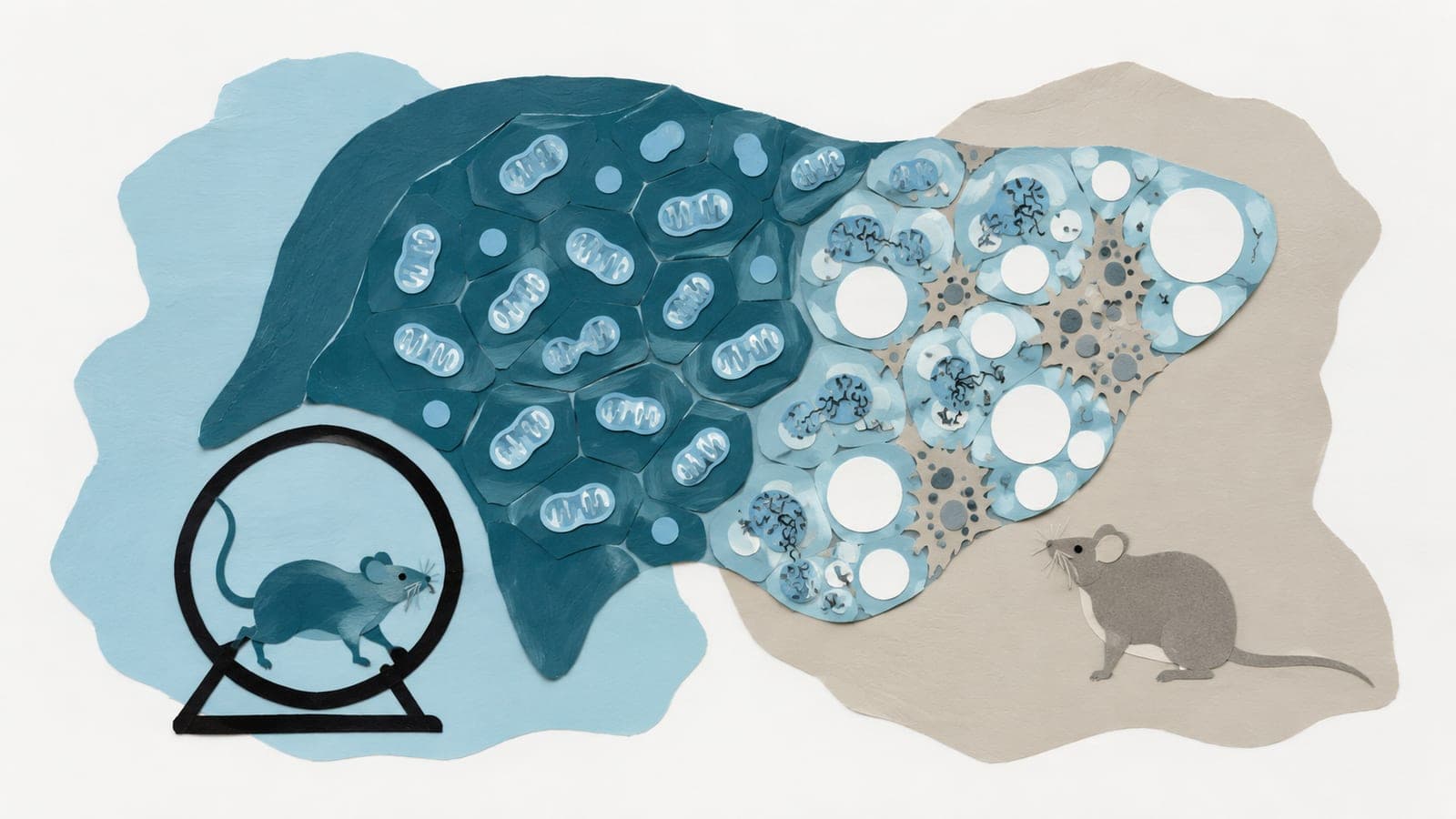
Hyperlipidemia represents a key contributory factor in the development and progression of cardiovascular diseases, contributing to cardiac injury through mechanisms involving oxidative stress, inflammation and autophagic cell death. Nicotinamide adenine dinucleotide (NAD⁺) serves a critical role in cardiac energy metabolism by supporting mitochondrial function, oxidative phosphorylation and cell stress responses, primarily through the activation of sirtuins (SIRTs). Aerobic exercise training has been demonstrated to enhance cardiovascular function, primarily through the reduction of oxidative stress and inflammatory responses, while also promoting myocardial repair and functional recovery following injury. The present study aimed to explore the protective effects of NAD⁺ on hyperlipidemia‑induced cardiac damage in apolipoprotein E‑deficient (ApoE‑/‑) mice. Two mouse models were employed: A cohort of 8‑week‑old ApoE‑/‑ mice subjected to varying exercise intensities (moderate‑intensity continuous and high‑intensity interval training) for a 12‑week intervention period, and another cohort of 8‑week‑old ApoE‑/‑ mice divided into four groups [normal diet (ND), ND + NAD⁺, high‑fat diet (HFD) and HFD + NAD⁺] for a 16‑week intervention period. HFD supplemented with 45% fat Kcal% energy feed was used to induce hyperlipidemia. The metabolic data demonstrated that aerobic exercise training elevated myocardial NAD⁺ levels in hyperlipidemic mice, whereas NAD⁺ supplementation mitigated elevated lipid levels. Histological and molecular analysis (hematoxylin and eosin staining, wheat germ agglutinin staining, immunohistochemistry, TUNEL and western blotting) revealed that NAD⁺ alleviated oxidative stress, fibrosis, inflammation and apoptosis. In addition, by activating the SIRT1/mitofusin 2 pathway and enhancing the PI3K/AKT/mTOR pathway, the expression levels of LC3‑II and P62 were decreased, indicating enhanced autophagic flux, as the degradation process of autophagosomes fusing with lysosomes was promoted. The present study suggested that NAD⁺ supplementation could be a promising therapeutic approach to mitigate hyperlipidemia‑induced cardiac damage in clinical settings.
The paper
Dalian University of Technology
Molecular Medicine Reports, 18 Nov 2025