Molecular biomarkers of biological age; how we can use them, now and in the future
Abstract
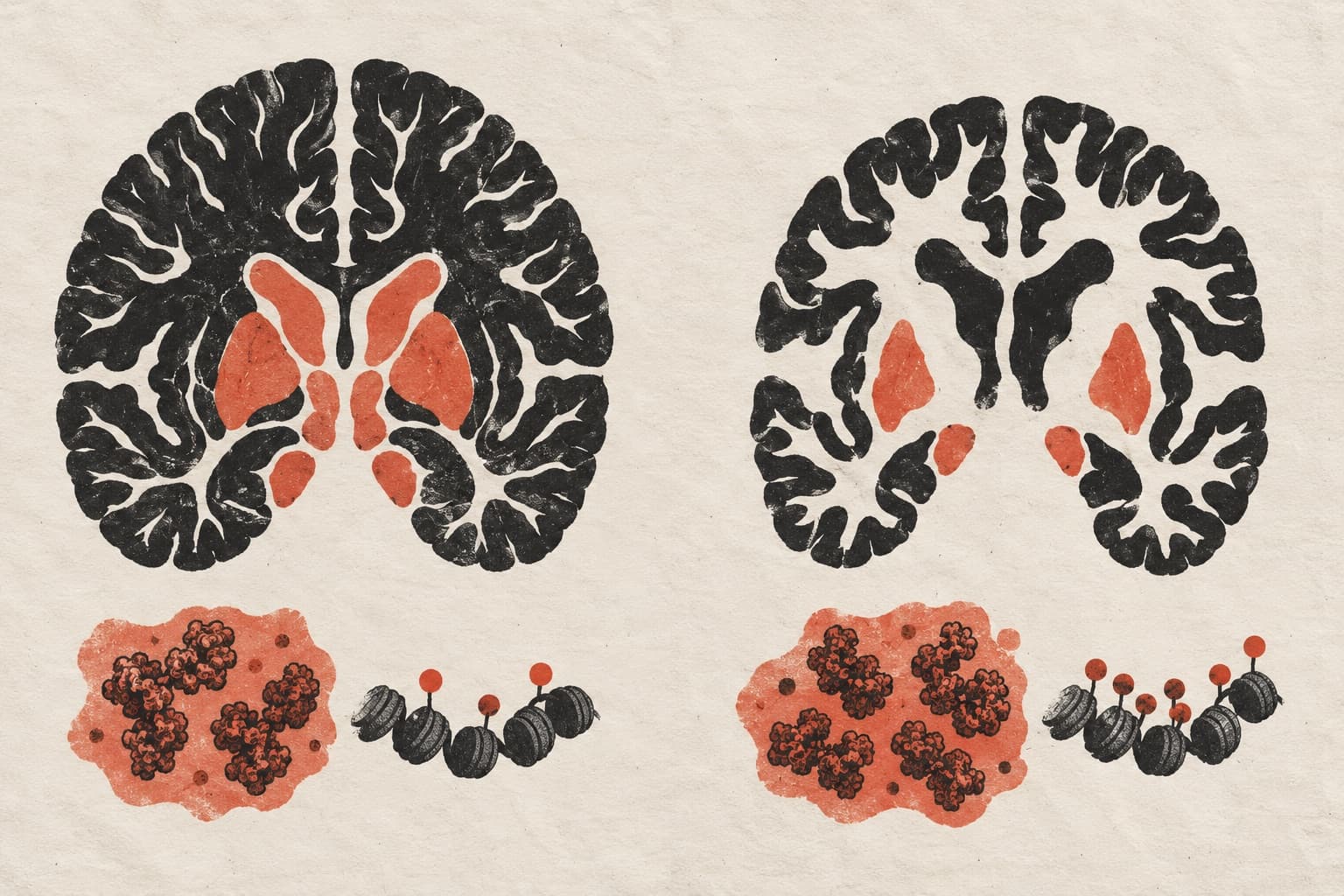
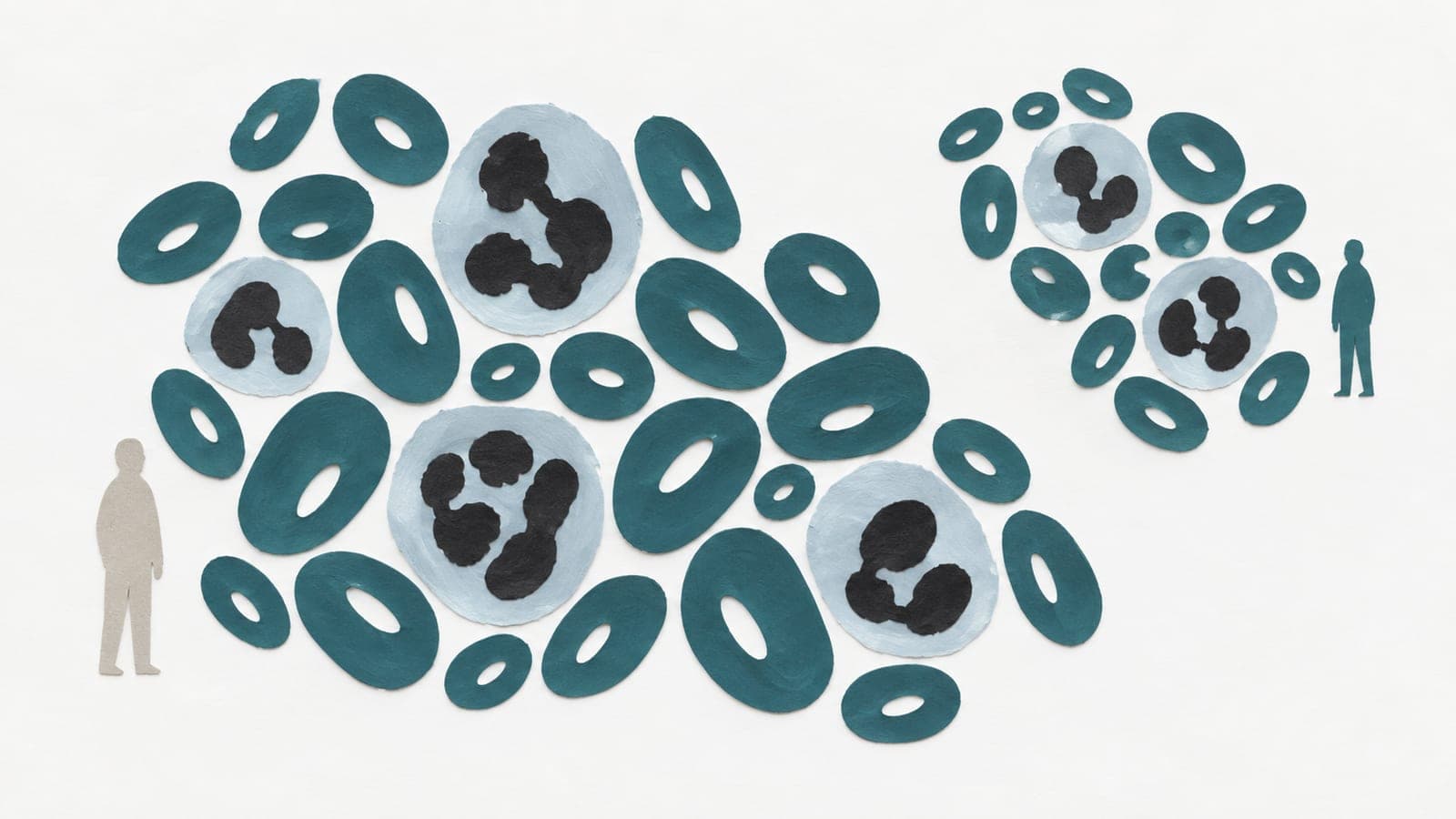
Chronological age is the most important risk factor for many age-related diseases, but is of limited value in distinguishing the risks of a single individual. In particular, older adults of the same chronological age vary greatly in terms of overall health, presence of diseases, vulnerability, and functional capacity. The underlying (patho)physiological state of the body is a reflection of biological age and may therefore differ from chronological age. However, there is currently no widely accepted definition of biological age. Novel molecular biomarkers are able to capture (part of) the (patho)physiological state of an individual. These biomarkers are becoming increasingly affordable and scalable, but still require validation for their intended application, i.e. reflecting an individual's vulnerability and risk of disease. In this article, we discuss the current state of research into applications of molecular biomarkers and what these developments mean for preventive healthcare and decision-making and treatment of vulnerable older adults.