Integrative epidemiological and spatial multi-omics analyses reveal SPP1⁺ macrophages with senescence-like features as key mediators linking NO₂ exposure to coronary heart disease
By Zhu Z, Xu R, Han J et al.
Abstract
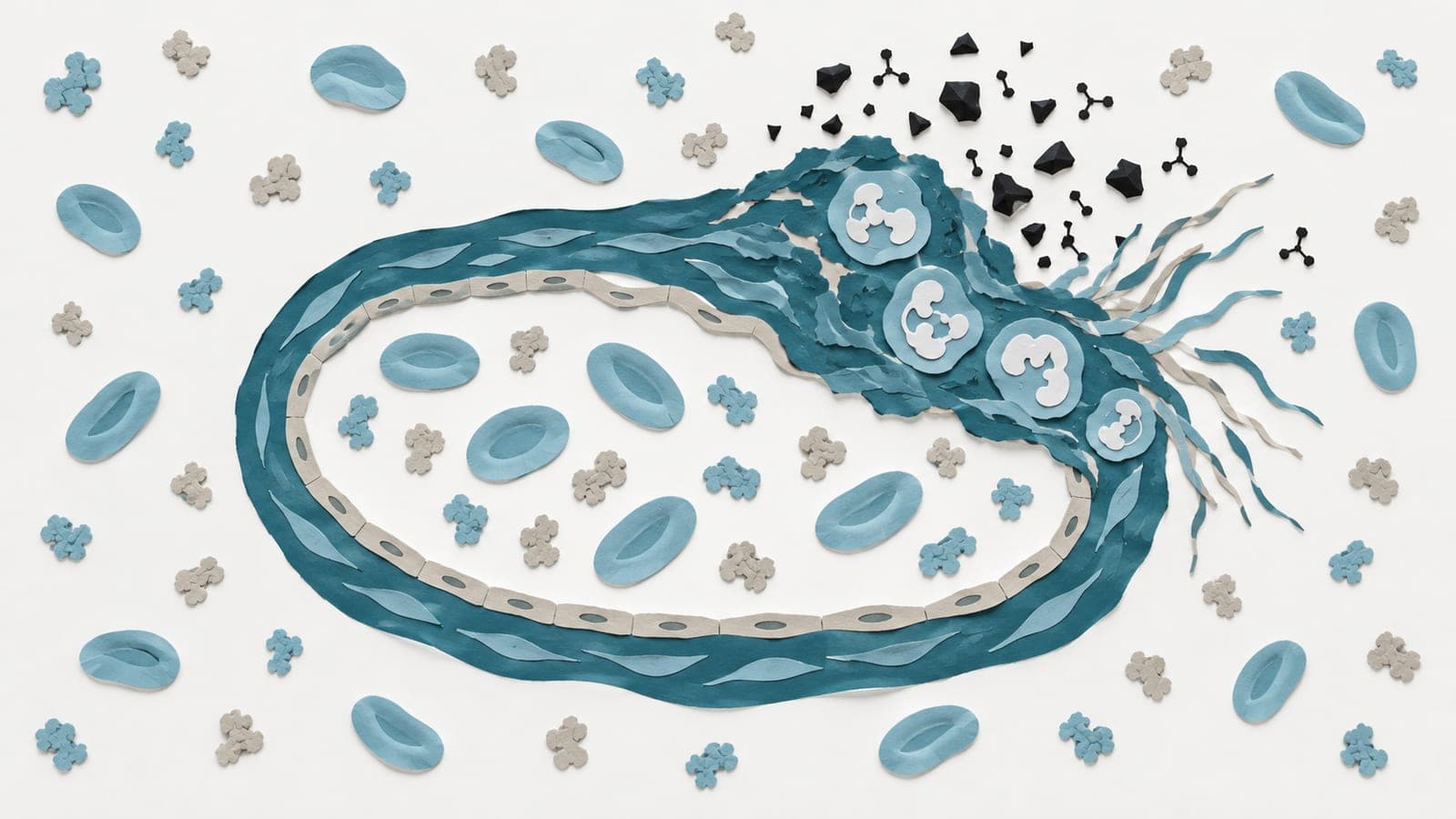
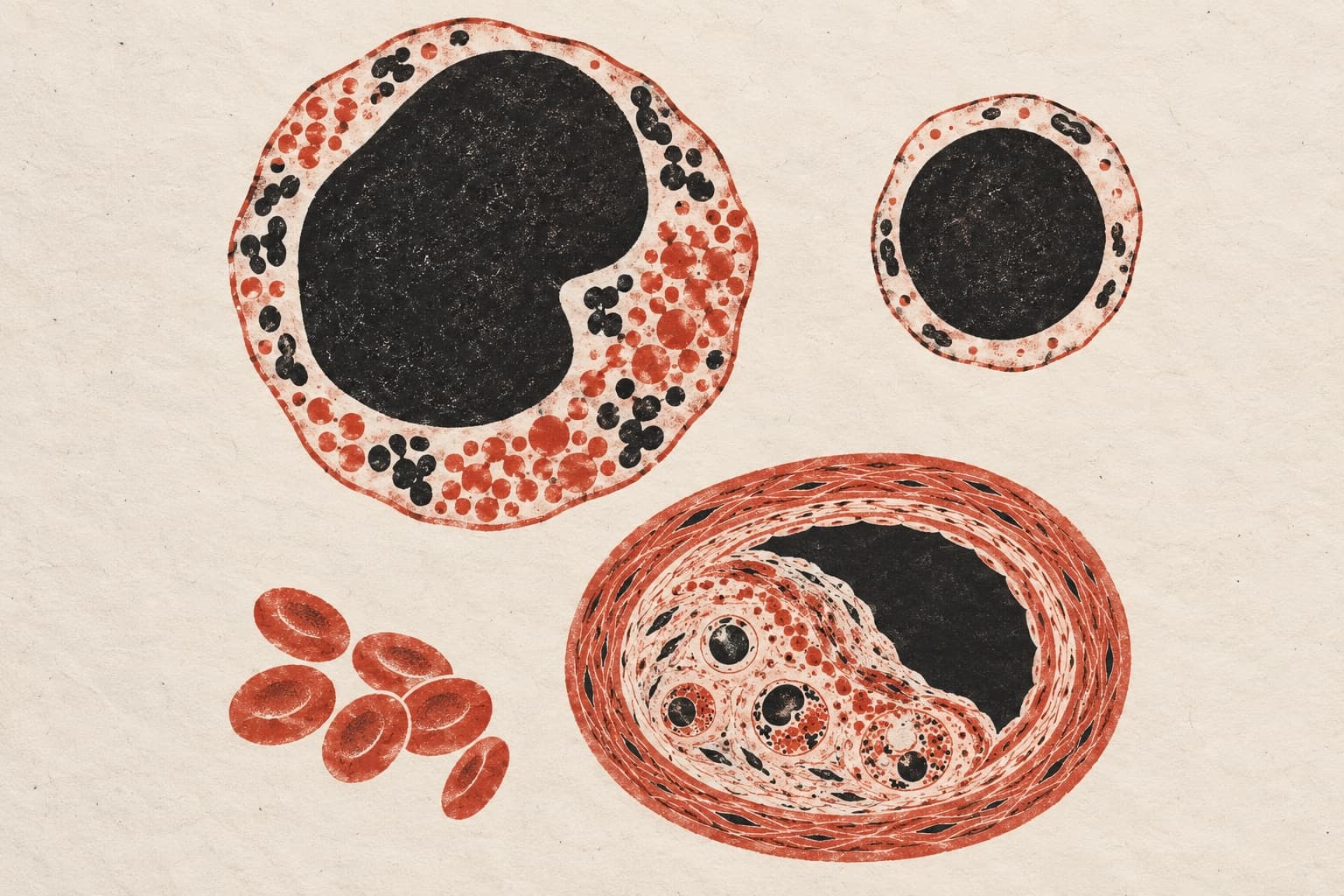
This study investigates the environmental health impact of ambient nitrogen dioxide (NO₂), a major traffic-related pollutant, on coronary heart disease (CHD) risk through biological aging. We analyzed 17,412 individuals in Tianjin, China, including 13,886 CHD patients and 3526 controls. PM₂.₅, PM₁₀, NO₂, and O₃ exposures were categorized into tertiles based on real-world concentrations. Biological aging was assessed using KDMAge and PhenoAge. Higher NO₂ exposure was significantly associated with increased CHD risk and accelerated aging, and elevated PhenoAge was linked to greater CHD susceptibility. Mediation analysis revealed that biological aging, particularly PhenoAge, accounted for up to 45.6 % of the association between NO₂ and CHD. To strengthen causal inference and minimize residual confounding, we applied propensity score matching (PSM) to balance baseline characteristics across exposure groups, and conducted Mendelian randomization (MR) using NO₂-associated genetic instruments. Both analyses consistently supported a potential causal effect of NO₂ exposure on CHD risk, partially mediated by accelerated biological aging. Validation using the China Health and Retirement Longitudinal Study (CHARLS) confirmed these associations. Multi-omics analyses of human atherosclerotic plaques-including bulk, single-cell, and spatial transcriptomics-identified SPP1⁺ macrophages as NO₂-responsive senescent cells enriched in inflamed, hypoxic plaque regions, showing heightened aging and inflammatory signatures. Spatial mapping further revealed co-localization of high NO₂ gene scores with SPP1⁺ macrophage clusters. By integrating large-scale epidemiological data, causal inference methods, and mechanistic multi-omics evidence, our study establishes a robust link between NO₂ exposure, biological aging, and CHD risk, providing novel insights for environmental interventions and cardiovascular disease prevention.
The paper
Zhu Z, Xu R, Han J et al.
Journal of Hazardous Materials, 9 Nov 2025