Altered nicotinamide adenine dinucleotide metabolism drives cartilage degeneration and osteoarthritis
Abstract
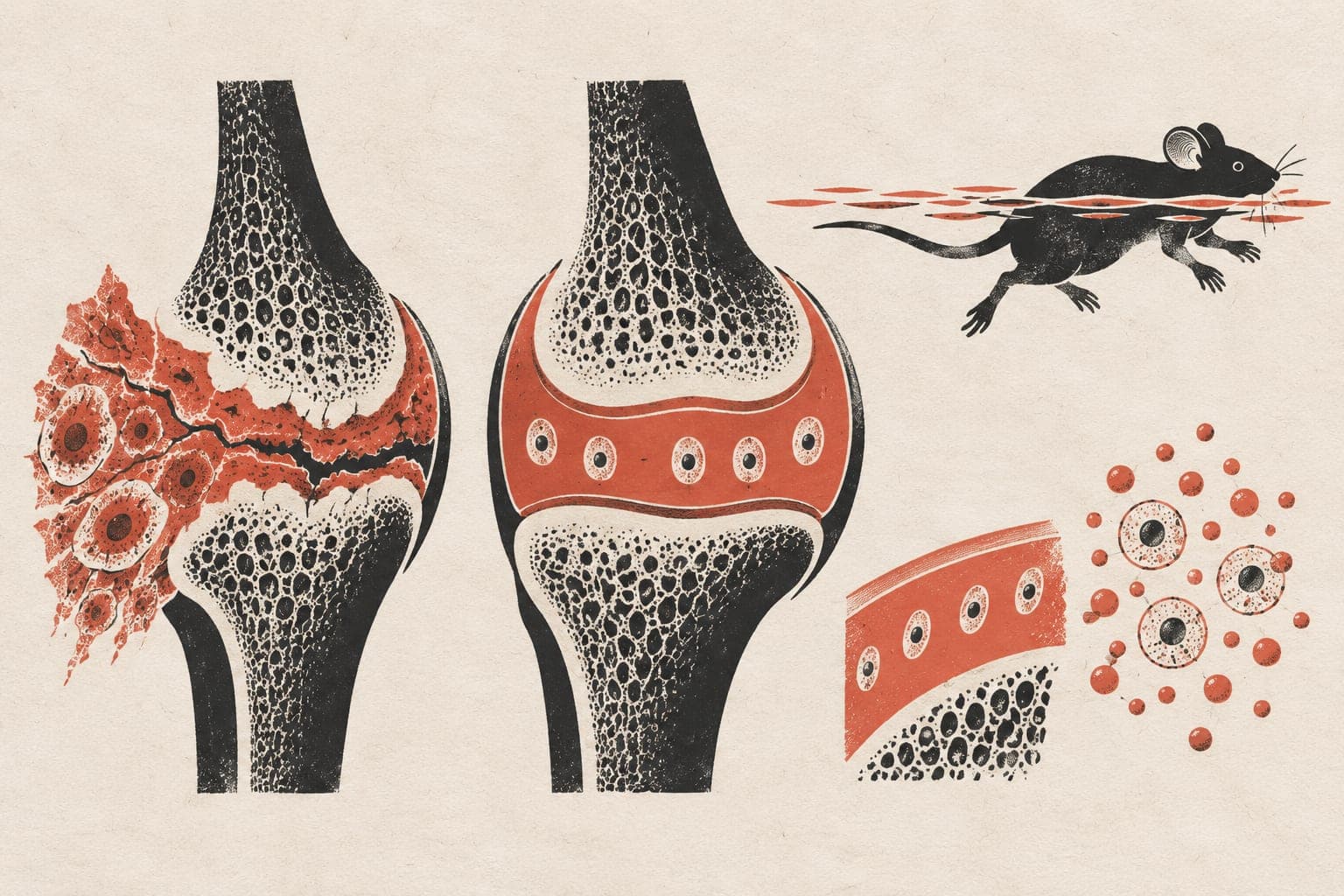
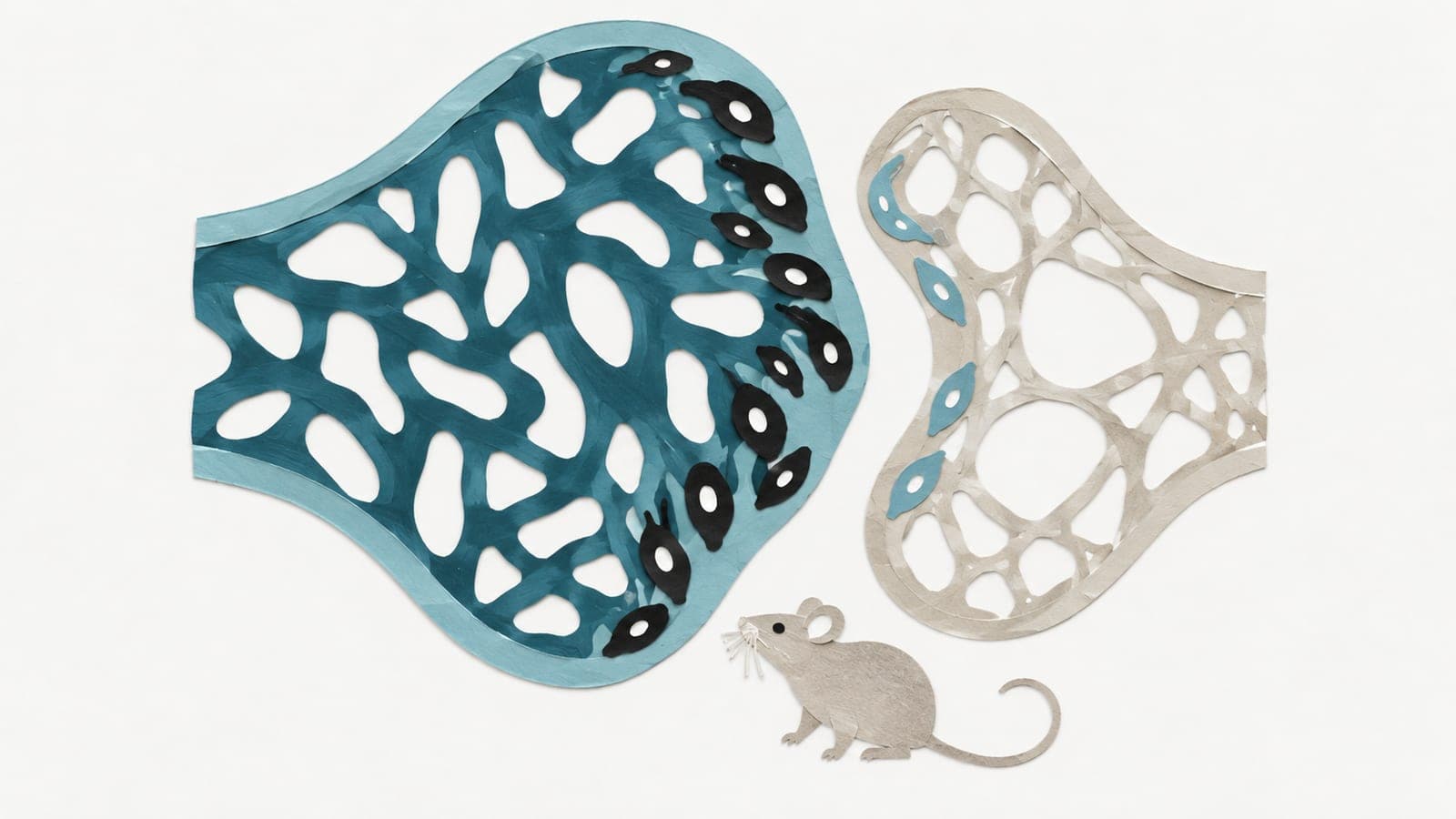
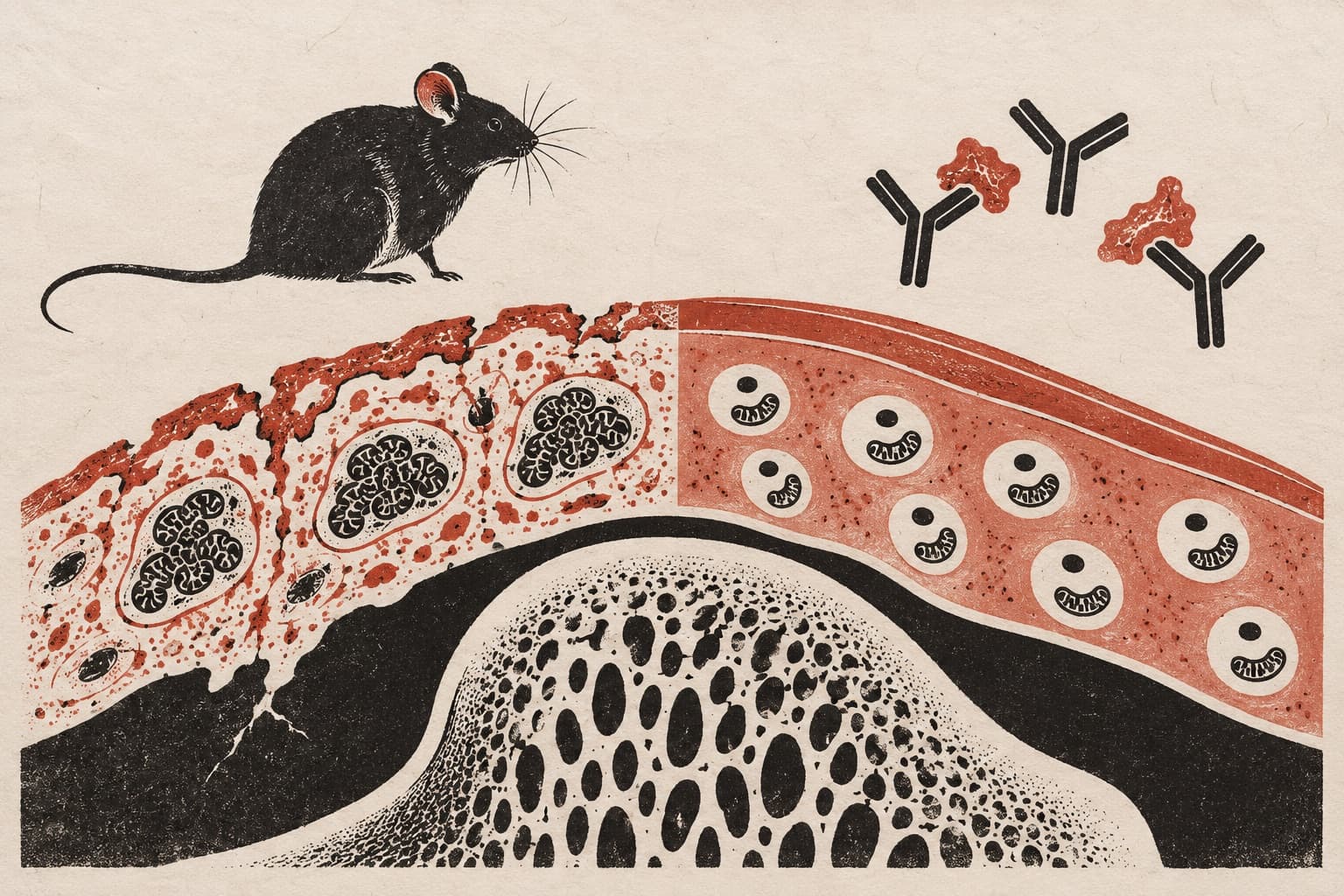
BACKGROUND: We previously conducted a comprehensive survey of energy metabolism in osteoarthritis (OA), revealing significant reductions of nicotinamide adenine dinucleotide (NAD⁺) levels in OA cartilage. This study aimed to test whether NAD⁺ deficiency present in OA plays a mechanistic role in disease development. METHODS: We conducted integrative analyses across human, murine, and rat OA models to examine NAD⁺ metabolism and its regulatory enzymes. The impact of pharmacological NAD⁺ augmentation (via nicotinamide mononucleotide (NMN) and nicotinamide riboside (NR)) and genetic overexpression of the NAD⁺ biosynthetic enzyme NMN adenosyltransferase (NMNAT1) was tested in surgical and aging-related OA models. Expression and function of the NAD⁺-consuming enzyme poly (ADP-ribose) polymerase 14 (PARP14) were examined via siRNA knockdown in chondrocytes under inflammatory conditions, coupled with metabolic assays and extracellular matrix gene profiling. RESULTS: NAD⁺ levels were decreased in human and murine OA, accompanied by upregulation of both the NAD⁺ biosynthetic enzyme Nicotinamide phosphoribosyltransferase (NAMPT) and the NAD⁺ consuming enzyme PARP14. While NAMPT expression was elevated, its effect on total NAD⁺ may be offset by increased NAD⁺ consumption or substrate limitation under inflammatory conditions. Treatment with NAD⁺ precursors and transgenic overexpression of NMNAT1 suppressed cartilage disruption during in aging murine and surgical rat model of OA. Increased expression of PARP14 in OA cartilage contributed to NAD⁺ decline and promoted cartilage degeneration. CONCLUSIONS: This study reveals that dysregulated NAD⁺ metabolism, driven by increased PARP14 consumption, constitutes a potential mechanism underlying OA pathogenesis. Our findings support the concept that enhancing NAD⁺ availability via precursors or biosynthetic pathway modulation may offer disease-modifying effects at the molecular and histological level. Further investigation is needed to determine the functional and translational implications of targeting this pathway. KEY POINTS: PARP14 is upregulated in OA cartilage and contributes to NAD⁺ depletion. PARP14 silencing restores NAD⁺ levels and represses OA-related metabolic and matrix-degrading changes. NAD⁺ precursor treatment and NMNAT1 overexpression protect against cartilage degeneration in aging and post-traumatic OA models.
The paper
Central South University; Queensland University of Technology
Clinical and Translational Medicine, 1 Nov 2025