Decaprenyl diphosphate synthases in Monolepta hieroglyphica: DPPS-mediated CoQ biosynthesis impacts juvenile hormone and gut microbiota
Abstract
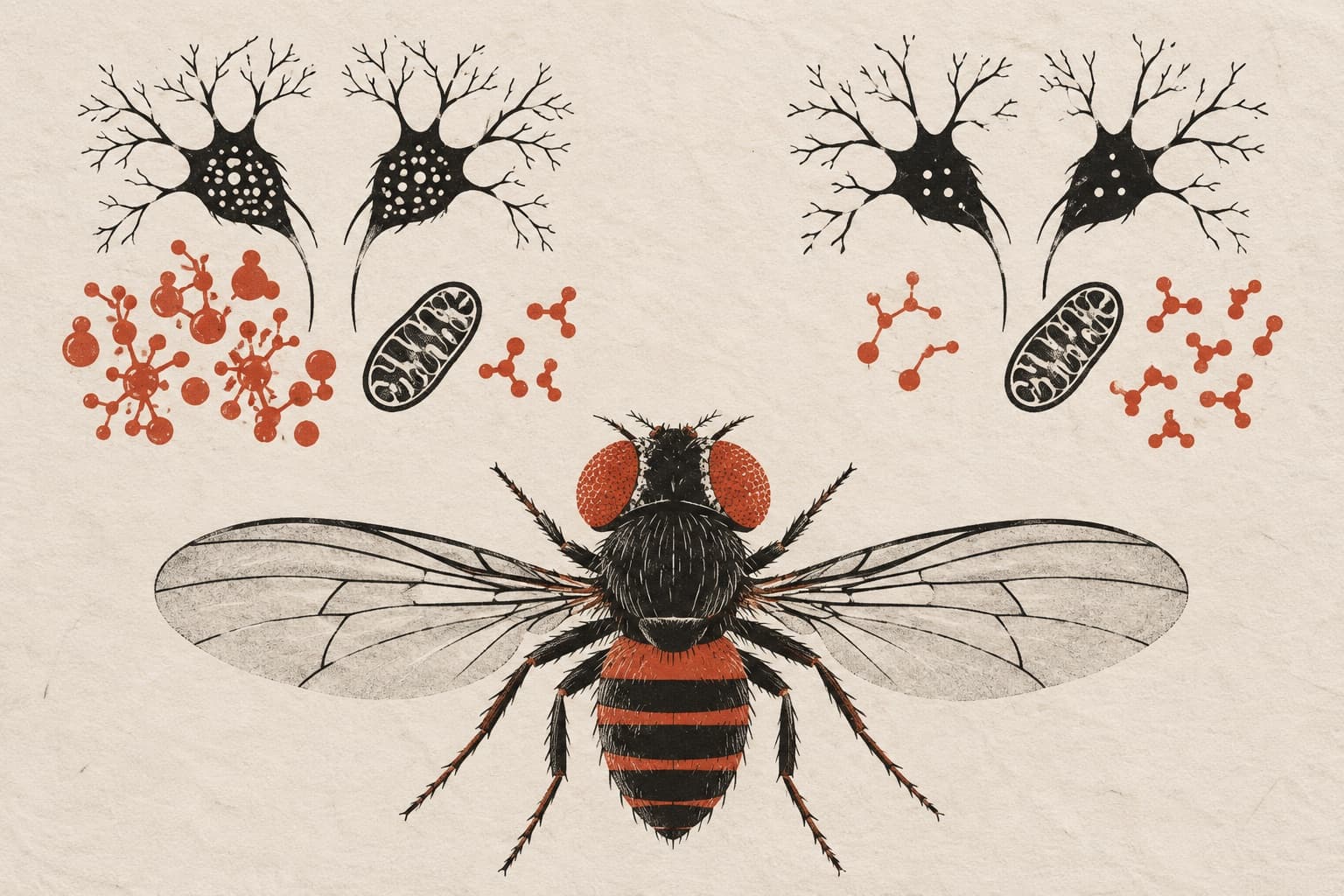
Coenzyme Q (CoQ) is essential for cellular metabolism, however its biosynthesis and function in insects remain largely unexplored. This study investigated decaprenyl diphosphate synthases (DPPSs) in CoQ biosynthesis in the polyphagous leaf beetle Monolepta hieroglyphica, an agricultural pest that acquires CoQ from host plants. Using liquid chromatography-mass spectrometry (LC-MS), CoQ10 (RT = 8.06 min) was identified in soybean, and CoQ9 (RT = 7.17 min) in maize. Notably, both CoQ9 and CoQ10 were detectable in adult M. hieroglyphica. Titration revealed significantly decreased JHIII but increased CoQ9 and CoQ10 levels in maize-fed versus soybean-fed beetles at day 11 (p < 0.0001). Transcriptome analysis revealed that 79.79 % of differentiated expressed genes (DEGs) were upregulated and categorized into five functional groups via KEGG enrichment analysis. Notably, MhieDPPS1 expression in maize-fed insects was significantly higher than in soybean-fed insects (p < 0.05), while genes involved in juvenile hormone biosynthesis exhibited significantly reduced expression (p < 0.001). Phylogenetic and sequence analysis confirmed that the DPPS1 and DPPS2 of M. hieroglyphica form a distinct clade separate from vertebrate homologous. Kinetic assays demonstrated that recombine MhieDPPS1 catalyzed the synthesis of essential compounds, yielding (E)-GPP at concentrations of 28.42 ± 0.90 μM. RNA interference (RNAi) studies indicated that knockdown of MhieDPPS1 and MhieDPPS2 resulted in a 29.49 % and 34.06 % reduction in expression, respectively, accompanied by a significant increase in juvenile hormone III levels (27.13 % upregulation, p < 0.05) and reductions in CoQ9 and CoQ10 (suppressed by 8.94 % and 6.64 %, respectively, p < 0.05) and has also been validated through supplementary experiments. Additionally, microbial community analyses revealed significant shifts in gut microbiota composition in transgenic Drosophila melanogaster and M. hieroglyphica, respectively. DPPS manipulation also altered metabolic pathways, lifespan, and gut microbial composition, including increased Wolbachia. Overall, this study elucidates the complex regulatory mechanisms governing isoprenoid metabolism in insects and provides valuable insights into the biosynthetic pathways of coenzymes, potentially informing future research on metabolic functions and evolutionary adaptations.
The paper
Institute of Plant Protection
Insect Biochemistry and Molecular Biology, 30 Oct 2025