Wide-band electrical-impedance-spectroscopy integrated microfluidic organism-on-a-chip device for simultaneous monitoring of multi-organ degradation along C. elegans aging
Abstract
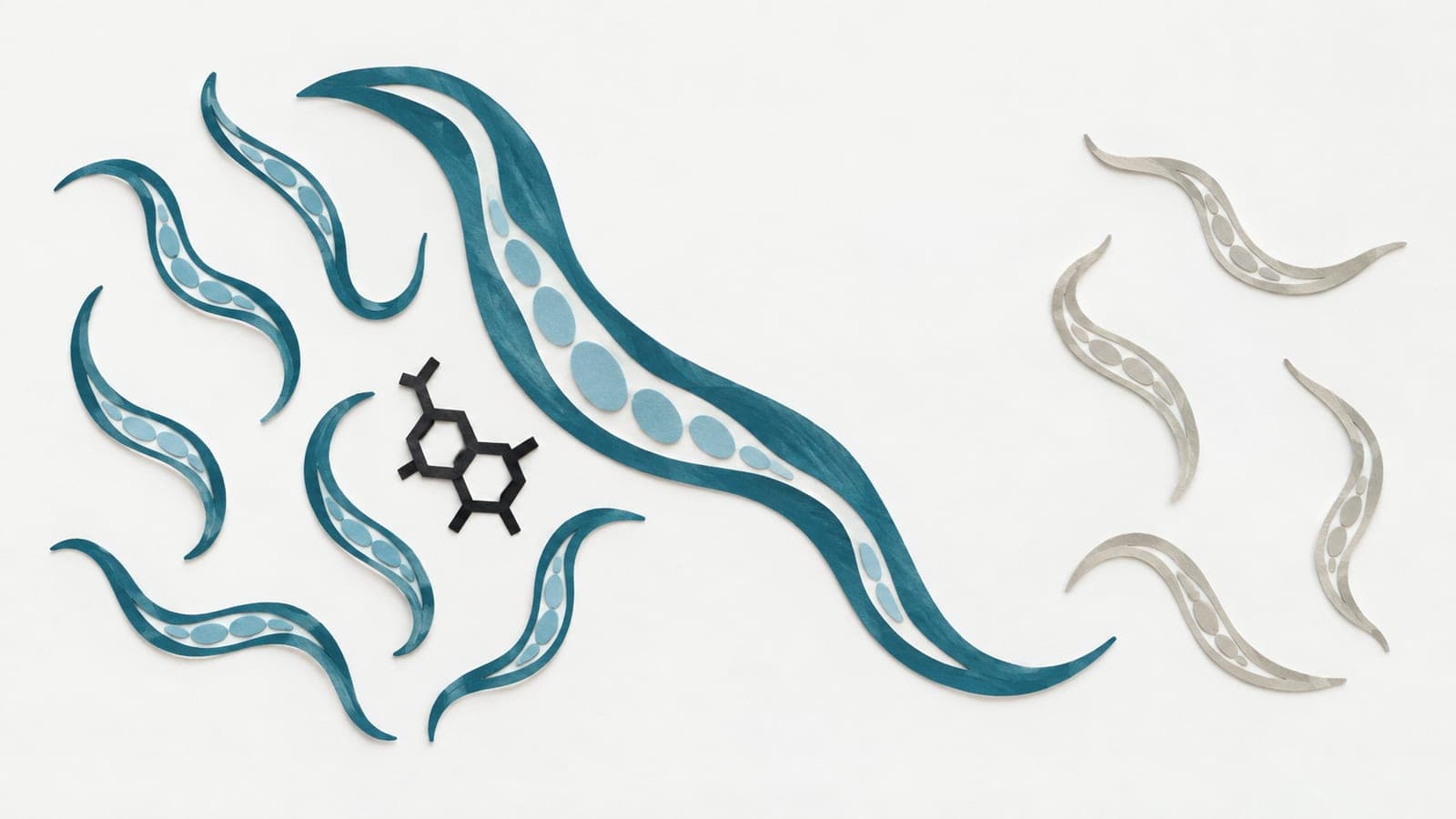
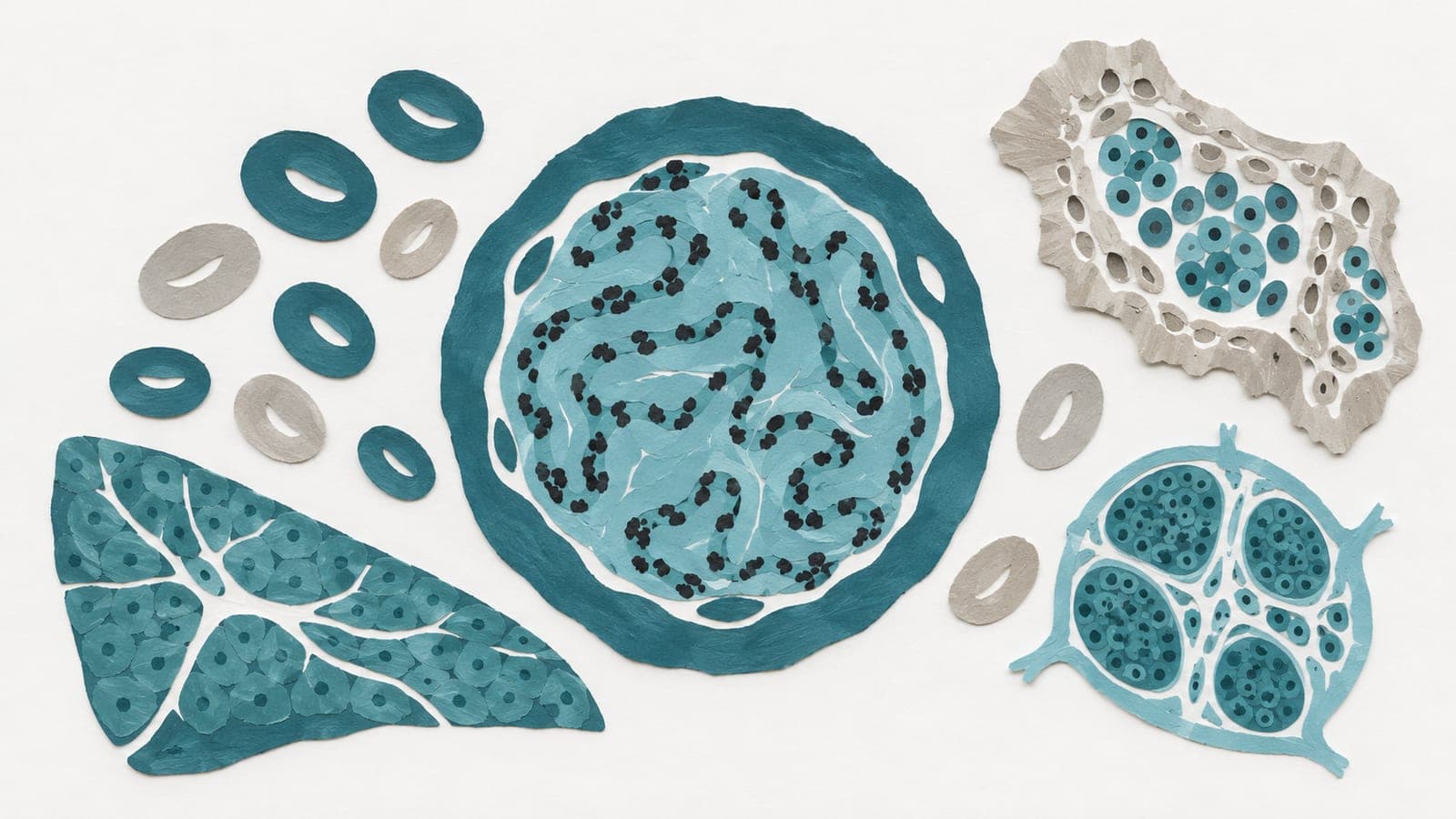
Monitoring the multi-dimensional tissue-specific aging signatures in Caenorhabditis elegans (C. elegans) provides unusual insight into senescent pathology across organ systems. However, the intricate imaging protocols and feature-extraction algorithms in conventional optical methods pose challenges to the synchronous tracking of multiple degraded organs in C. elegans. Herein, we report on a wide-band electrical impedance spectroscopy (EIS) integrated microfluidic organism-on-a-chip device that maintains C. elegans on-chip aging progression and facilitates simultaneous characterization of four organic phenotypes by EIS signals from 50 kHz to 50 MHz. This microfluidic biosensor enables precise manipulation of the C. elegans using a pneumatic valve and implements long-term EIS detection of different worm body regions via a strategically configured microelectrode sensing array. Coupled multi-organ degradation in aging worms, including morphology variation, intestinal necrosis, and cuticle rupture, are accurately identified by the customized linear regression model and opacity estimation from multi-frequency EIS signals. Optical inspection and finite element modeling results decisively validate the correlation between multi-organ degradation and EIS signal dynamics, illustrating a label-free monitoring approach of organ systems that potentially applicable to age-related mechanism research or drug screening.
The paper
Southeast University
Biosensors & Bioelectronics, 23 Oct 2025