Detection and rehabilitation of age-related motor skills impairment: Neurophysiological biomarkers and perspectives
Abstract
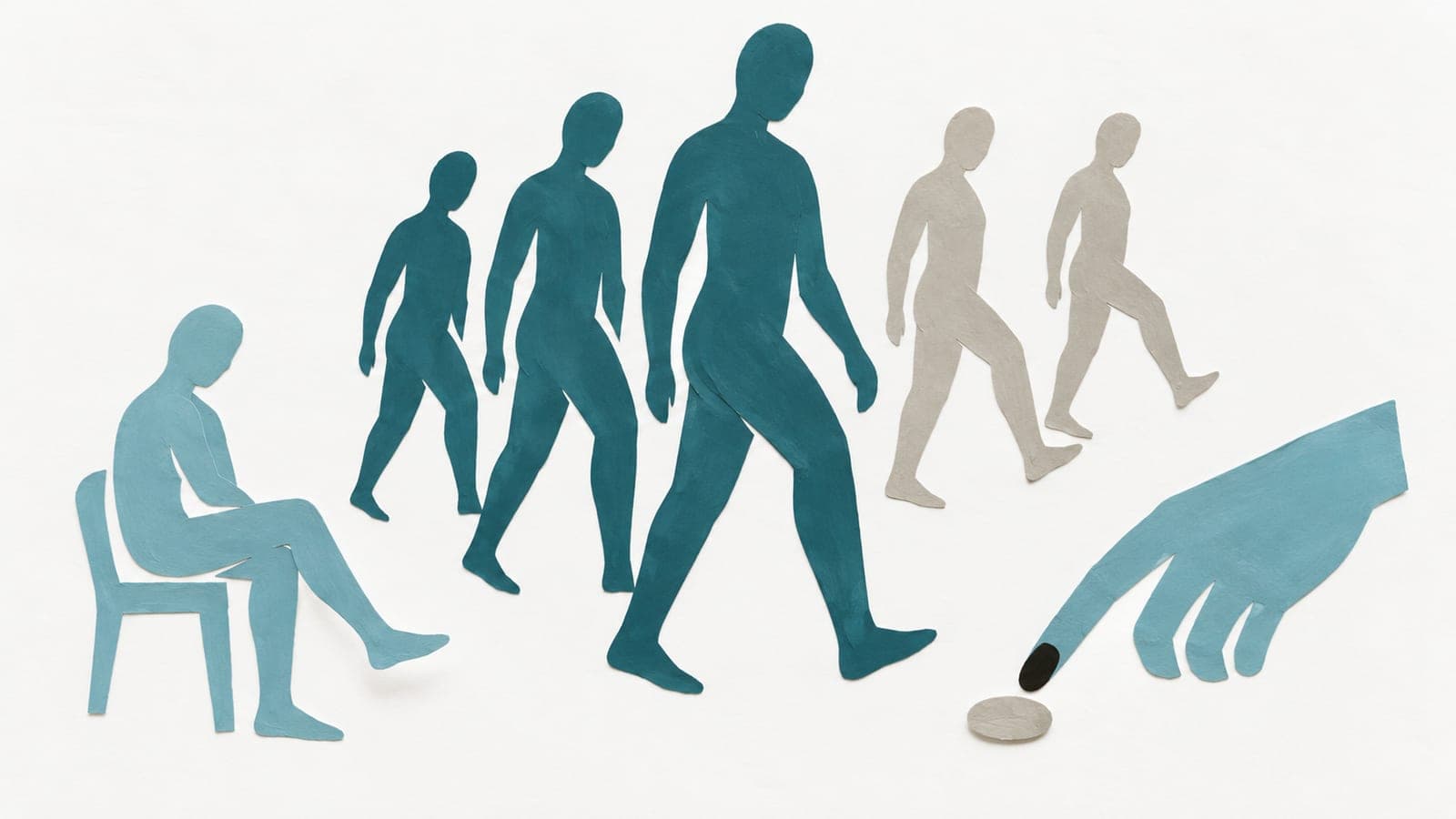
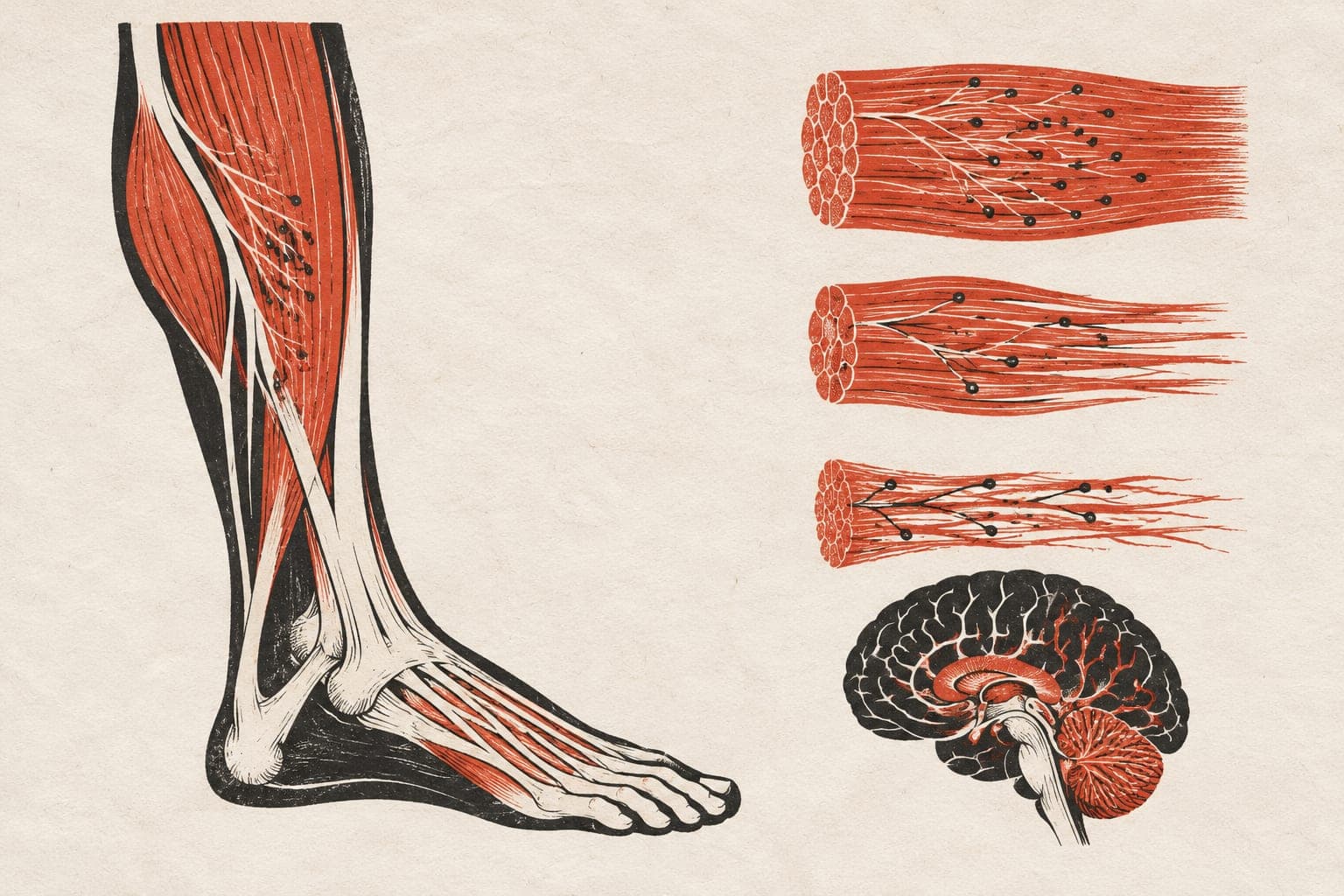
Age-related decline in motor control, manifesting as impaired posture, gait, and slowed movement execution, significantly diminishes the quality of life in older adults. These functional deficits are associated with alterations in neurophysiological data, which are analyzed using advanced techniques including spectral analysis, complexity measures, and functional connectivity network analysis. These methodologies provide valuable insights into the neurobiological mechanisms underpinning age-related motor function impairments, linking physiological changes to non-invasively recorded electrophysiological and hemodynamic responses. Recent investigations have demonstrated an age-dependent impairment in access to working memory during motor tasks, evidenced by significant correlations between electroencephalographic biomarkers and neural response latencies. Furthermore, these functional biomarkers are associated with the degradation of motor learning abilities in older individuals. There is a broad consensus that non-invasive assessment of brain activity accurately reflects the processes underlying age-related motor decline, thereby opening avenues for targeted intervention strategies. A key area of investigation is the utilization of motor system function for the early detection of neurodegenerative diseases. Seemingly, simple motor tasks engage cortical regions responsible for attention, vision, and memory through a process known as sensorimotor integration. Sensorimotor training implemented via brain-computer interfaces with neurofeedback demonstrates potential for ameliorating both cognitive and motor deficits in both healthy older adults and those with age-related conditions. This review synthesizes current research on age-related changes revealed through neuroimaging data analysis, highlighting how biomarkers derived from brain electrical and hemodynamic activity reflect both normative and pathological aging processes. Finally, we emphasize the considerable potential of neurophysiological data analysis for advancing the field of aging research. Digital medicine platforms, including brain-computer interfaces and a range of wearable monitoring devices, hold significant promise for transforming the diagnosis of age-related diseases. These technologies empower continuous, objective monitoring of older adults, paving the way for personalized, precision-based medical interventions.
The paper
National Research University Higher School of Economics; Plekhanov Russian University of Economics
Ageing Research Reviews, 17 Oct 2025