The Role of Hepatic SIRT1: From Metabolic Regulation to Immune Modulation and Multi-target Therapeutic Strategies
Abstract
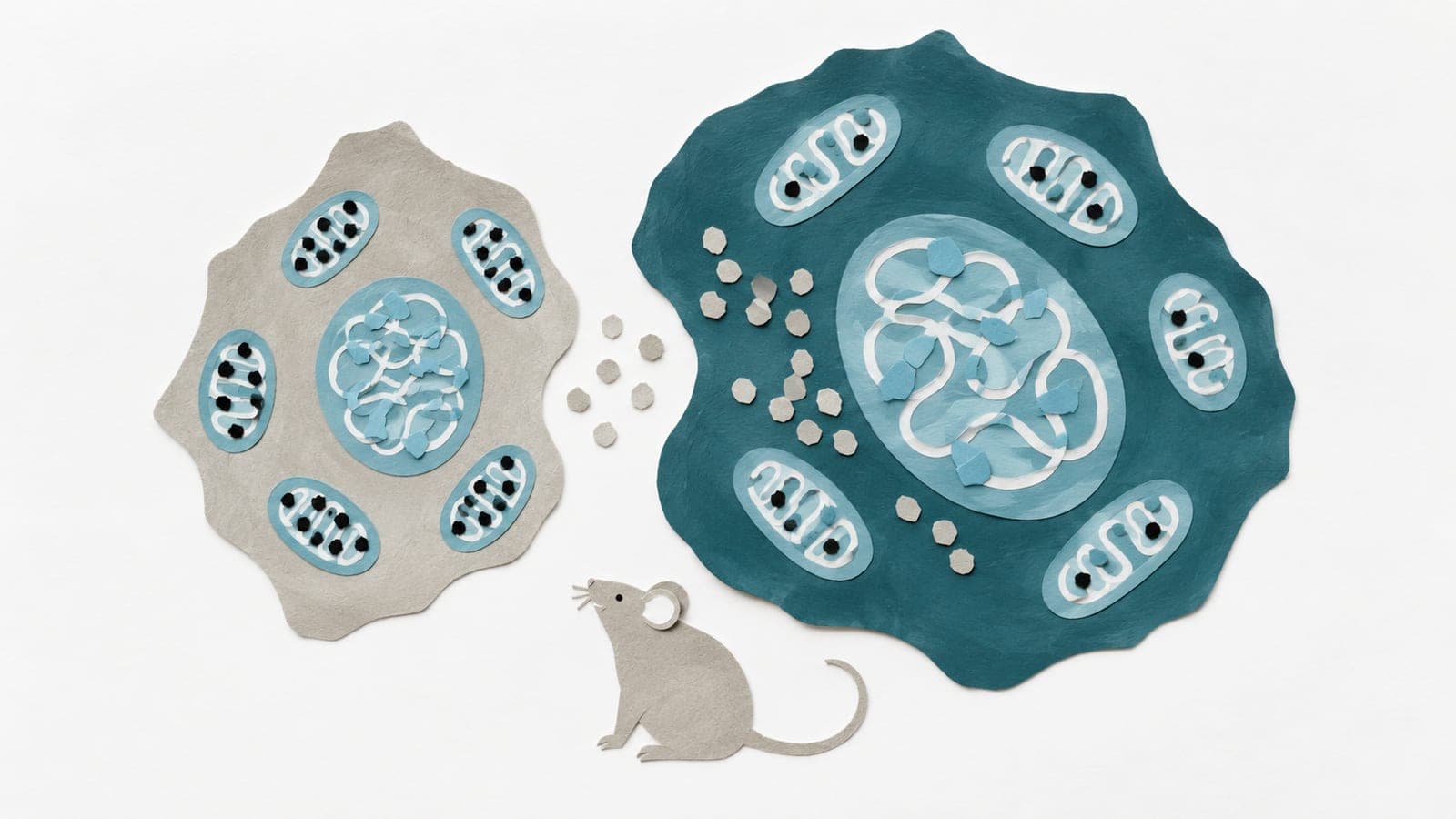
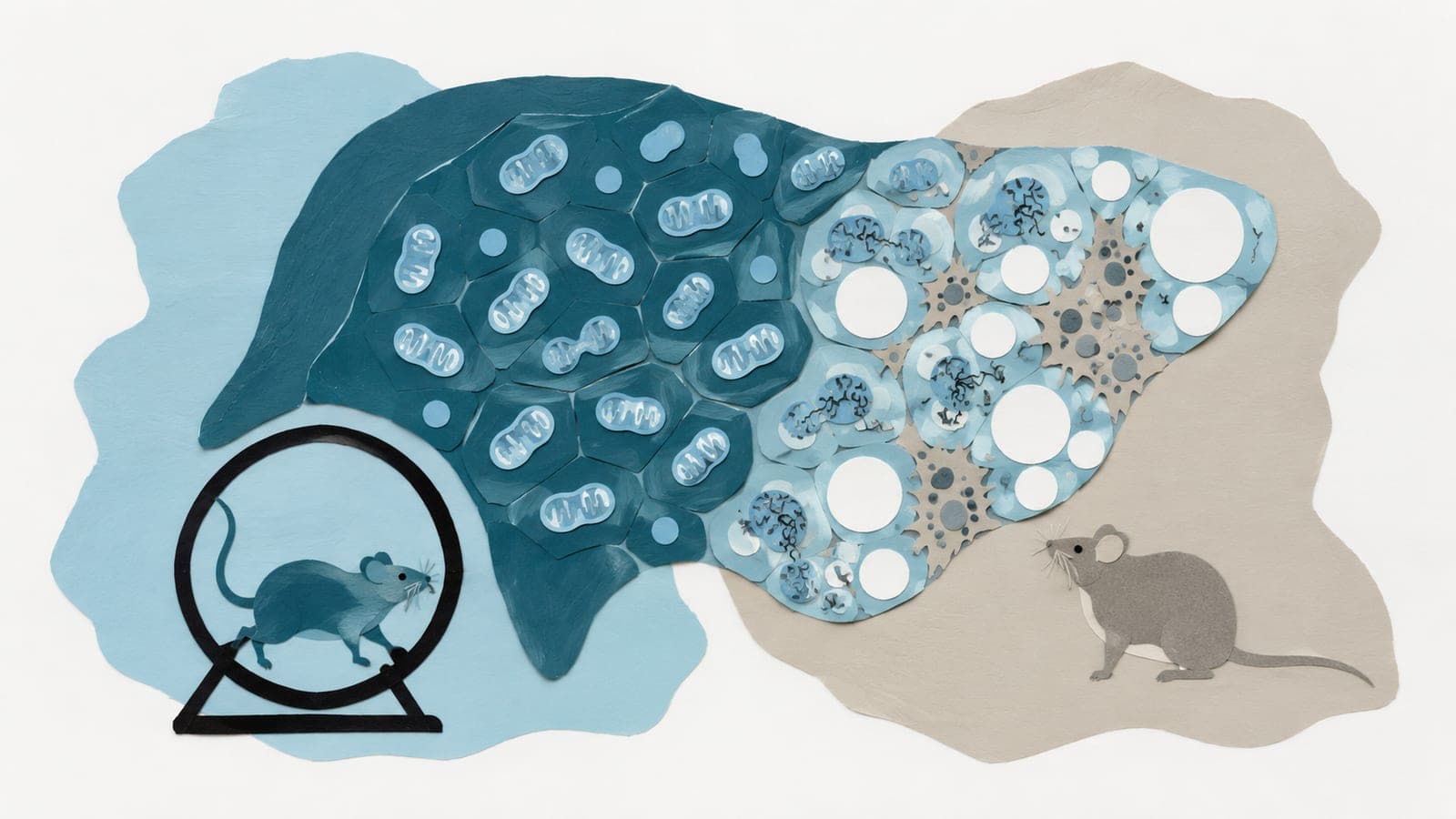
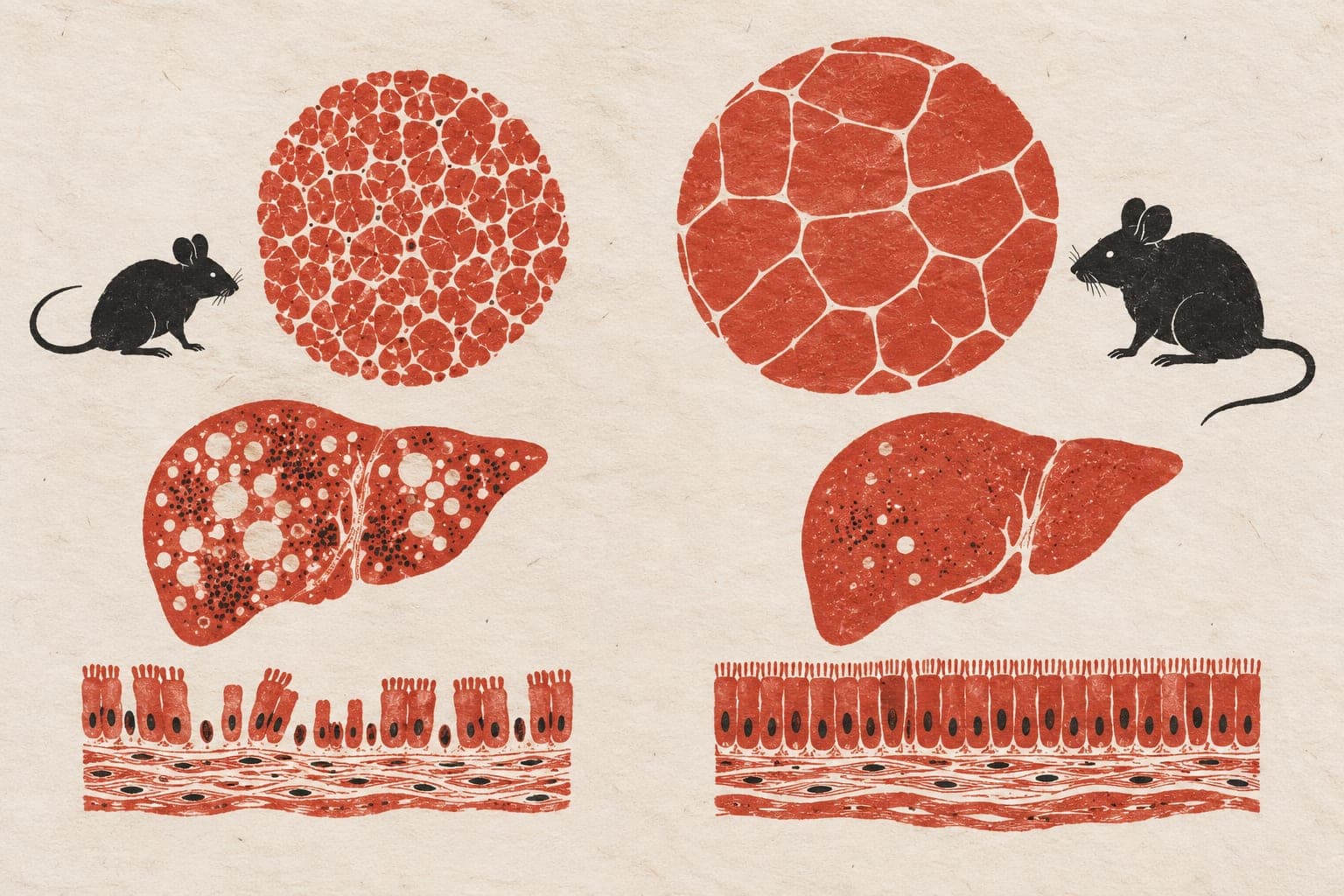
Metabolic dysfunction-associated steatotic liver disease (MASLD), the most common chronic liver disorder worldwide, results from multidimensional network dysregulation involving lipid metabolism imbalance, insulin resistance, oxidative stress, chronic inflammation, and gut-liver axis disruption. Silent information regulator 1 (SIRT1), an NAD⁺-dependent deacetylase, functions as a central regulator of metabolic homeostasis and a key mediator in immune microenvironment remodeling and inter-organ communication. This review systematically describes the multi-target mechanisms of SIRT1 in MASLD pathogenesis through its regulation of critical factors, including peroxisome proliferator-activated receptor gamma coactivator 1-α, Forkhead Box O, and nuclear factor kappa-light-chain-enhancer of activated B cells, which govern hepatocyte lipid remodeling, mitochondrial quality control, autophagy-endoplasmic reticulum stress balance, and Kupffer cell/T cell polarization. This work introduces, for the first time, the concept that SIRT1 mediates systemic regulation of MASLD via coordinated "metabolism-inflammation-organ axis" interactions. Recent studies indicate that natural compounds (e.g., resveratrol, curcumin) improve gut-liver barrier function through microbiota-SIRT1 interactions, while synthetic activators (SRT1720) and NAD⁺ precursors (NMN) enhance hepatocyte antioxidant capacity and fatty acid β-oxidation. This innovative analysis highlights the spatiotemporal specificity of various SIRT1 activators, emphasizing that tissue-selective delivery and dynamic dosage optimization are crucial for overcoming clinical translation challenges. By integrating mechanistic and translational insights, this review provides a novel foundation for precision intervention strategies targeting SIRT1 network reprogramming.
- Curcumin
- Nicotinamide mononucleotide
- Resveratrol
- SIRT1
- Autophagy
- Metabolic dysfunction-associated steatotic liver disease
The paper
China Academy of Chinese Medical Sciences
Journal of Clinical and Translational Hepatology, 3 Sep 2025