Past Meal-Skipping Habits Associate With Physical Frailty in Later Life: A Retrospective Cohort Study
Abstract
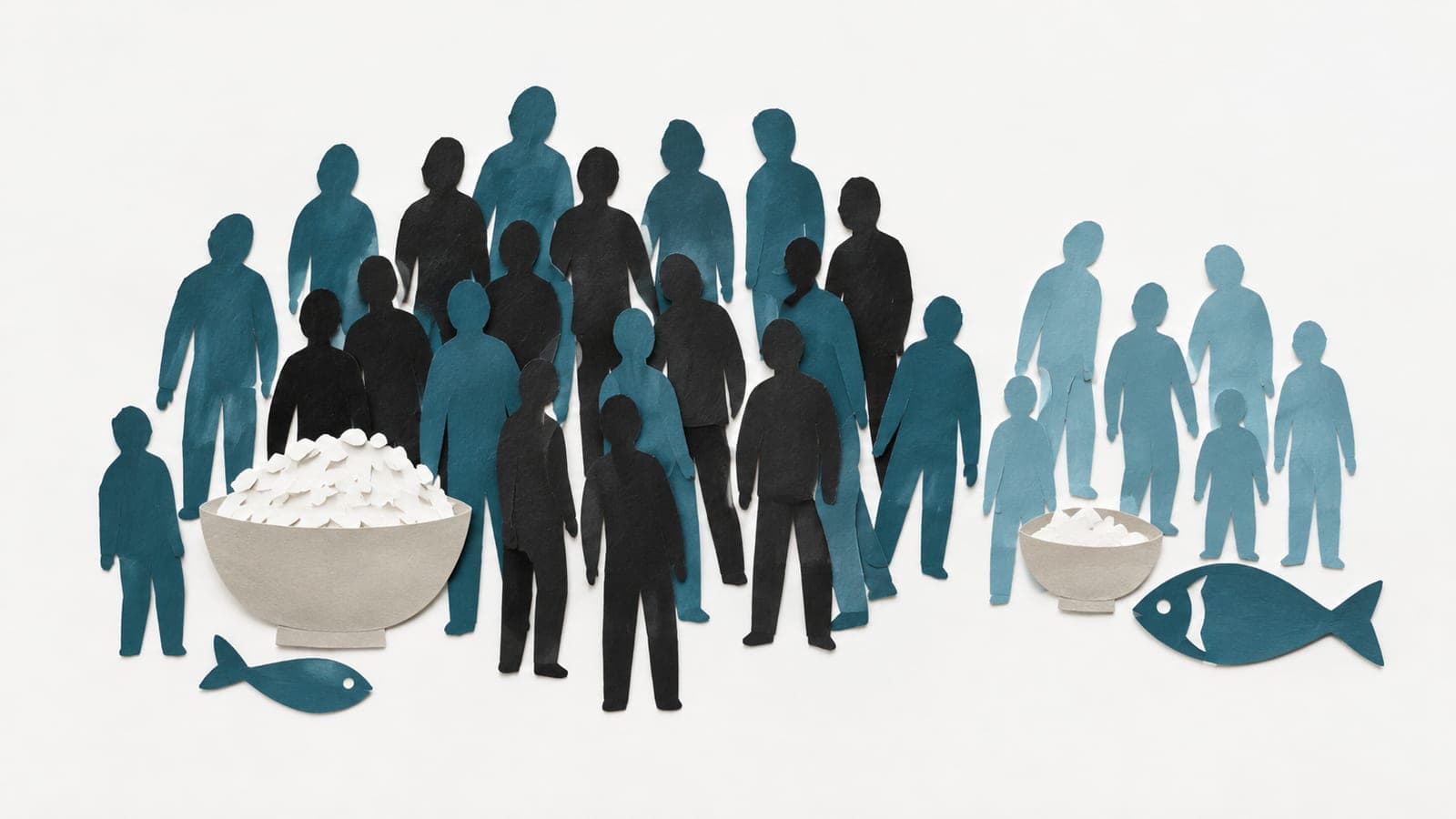
OBJECTIVES: Dietary intake is a crucial factor for healthy longevity. This study examined the association between meal-skipping habits in early and midlife and physical frailty in later life among community-dwelling older adults. DESIGN: A retrospective cohort study. SETTING AND PARTICIPANTS: A total of 5063 older adults (aged ≥65 years) without dementia were included in the Japanese community cohort. METHODS: We assessed the number of meals per day in early and midlife and defined meal skipping as ≤2 meals per day. Referring to the revised version of the Cardiovascular Health Study criteria, physical frailty in this study included frailty and prefrailty. Binomial logistic regression analysis estimated the odds ratios (ORs) and 95% CIs for later-life physical frailty, adjusting for potential confounding factors. Additionally, analysis was conducted with meal-skipping groups categorized into 4 groups throughout early to midlife. Then, we further examined the association by subgroups based on current dietary status. RESULTS: In the fully adjusted model, meal-skipping habits in early and midlife were associated with later life physical frailty (OR, 1.64; 95% CI, 1.20-2.25 and OR, 2.15; 95% CI, 1.34-3.49, respectively). Participants who skipped meals in early life but quit meal skipping in midlife were not associated with later life physical frailty. Conversely, those who started meal skipping in midlife and those who continued meal skipping throughout early to midlife had a higher prevalence of physical frailty in later life (OR, 2.18; 95% CI, 1.07-4.71 and OR, 2.35; 95% CI, 1.53-3.70, respectively) than those without meal skipping. An association between midlife meal skipping and later-life physical frailty was observed even among individuals who discontinued meal skipping and adopted a 3-meal pattern in later life (OR, 2.96; 95% CI, 1.50-6.18). CONCLUSIONS AND IMPLICATIONS: To prevent physical frailty in later life, acquiring regular eating habits may be important, especially in midlife.
The paper
National Center for Geriatrics and Gerontology
Journal of the American Medical Directors Association, 3 Oct 2025