FOXO1-NMNAT3 axis dysregulation promotes doxorubicin cardiotoxicity: NAD⁺ replenishment as a redox-targeted antioxidant therapy
Dose-response
Abstract
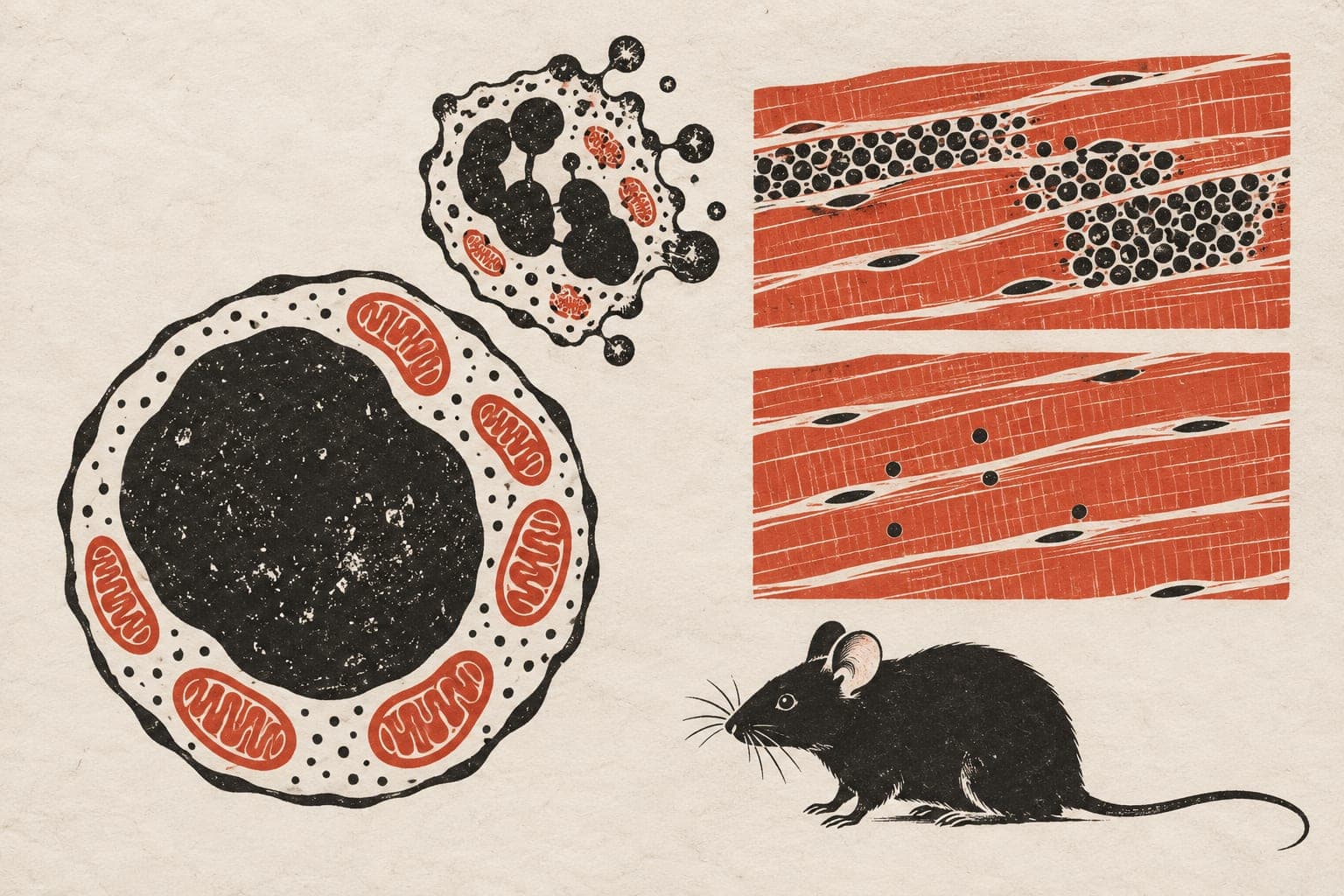
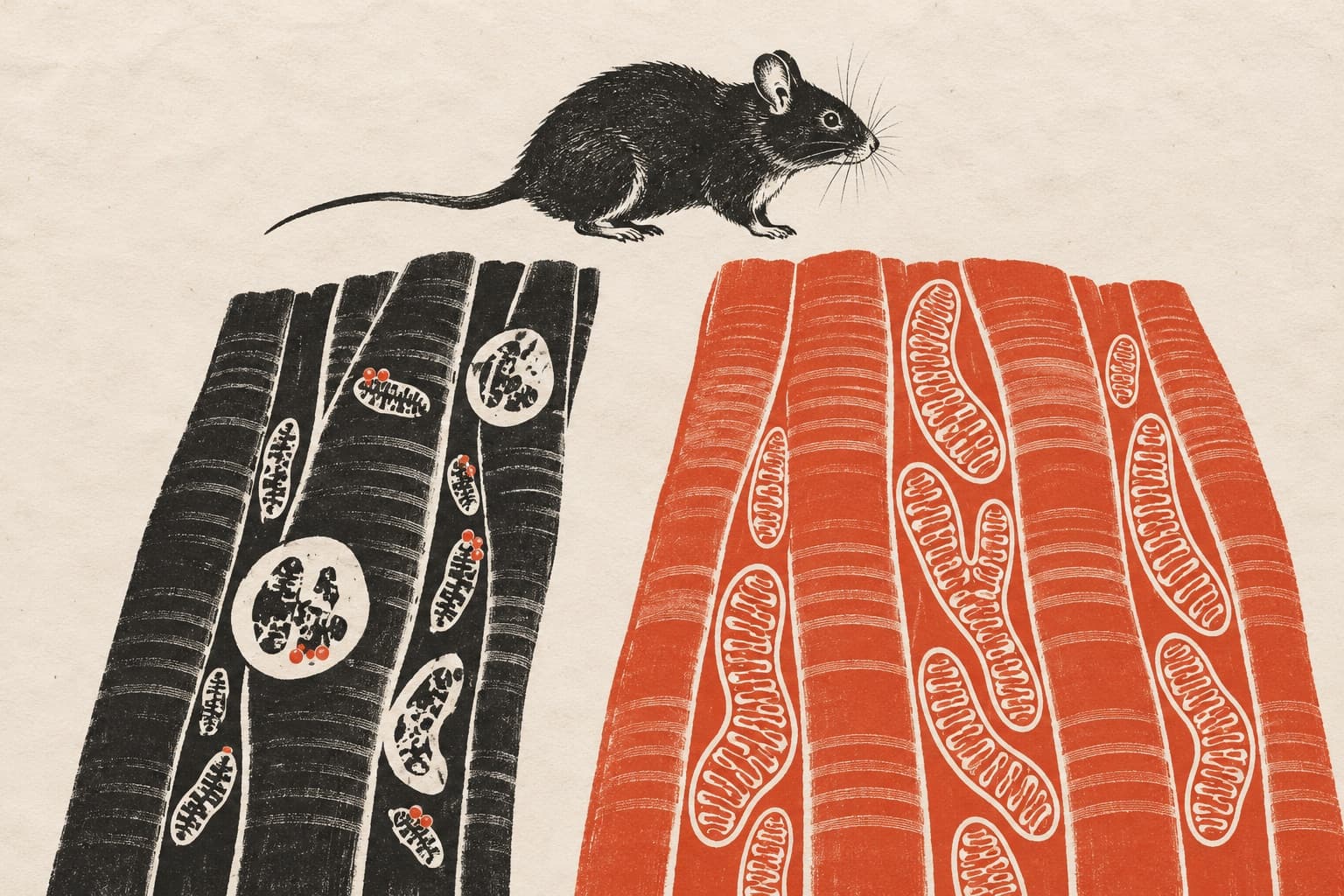
OBJECTIVES: Doxorubicin (DOX) induces dose-dependent cardiotoxicity, primarily through oxidative stress and metabolic dysregulation. Although NAD⁺ deficiency has been implicated in cardiovascular pathology, its role in DOX-induced cardiotoxicity (DIC) remains poorly understood. This study investigated NAD⁺ metabolism dysregulation as a redox-sensitive mechanism in DIC pathogenesis. METHODS: Human cardiomyocytes (AC16), mouse atrial myocytes (HL-1), and C57BL/6 mice were used to establish the DIC model. The role and mechanism of NAD⁺ in DIC were investigated using a range of methods. RESULTS: Using integrated in vitro and in vivo models, we demonstrated that DOX induces myocardial oxidative damage accompanied by NAD⁺ depletion. Exogenous NAD⁺ supplementation mitigated the DOX-induced cardiomyocyte death and redox imbalance. Mechanistically, pharmacological CD38 inhibition with 78C or genetic silencing failed to restore the NAD⁺ pool, whereas nicotinamide mononucleotide adenylyltransferase 3 (NMNAT3) overexpression, combined with nicotinamide mononucleotide (NMN) administration, effectively rescued NAD⁺ levels and attenuated oxidative stress. Computational and functional analyses identified FOXO1 as a transcriptional repressor of NMNAT3 following DOX exposure. CONCLUSION: This study establishes the dysregulation of the FOXO1-NMNAT3 axis as a key mechanism underlying NAD⁺ depletion in DIC. Targeting this axis through NAD⁺ replenishment, particularly by activating NMNAT3, offers a novel redox-based therapeutic strategy against DIC.
The paper
Chongqing Public Health Medical Center; Chongqing Medical University
Redox Report, 29 Sep 2025