Sirt1 attenuates necrotizing enterocolitis via Hif-1α deacetylation-mediated suppression of Bnip3-Dependent mitophagy
Abstract
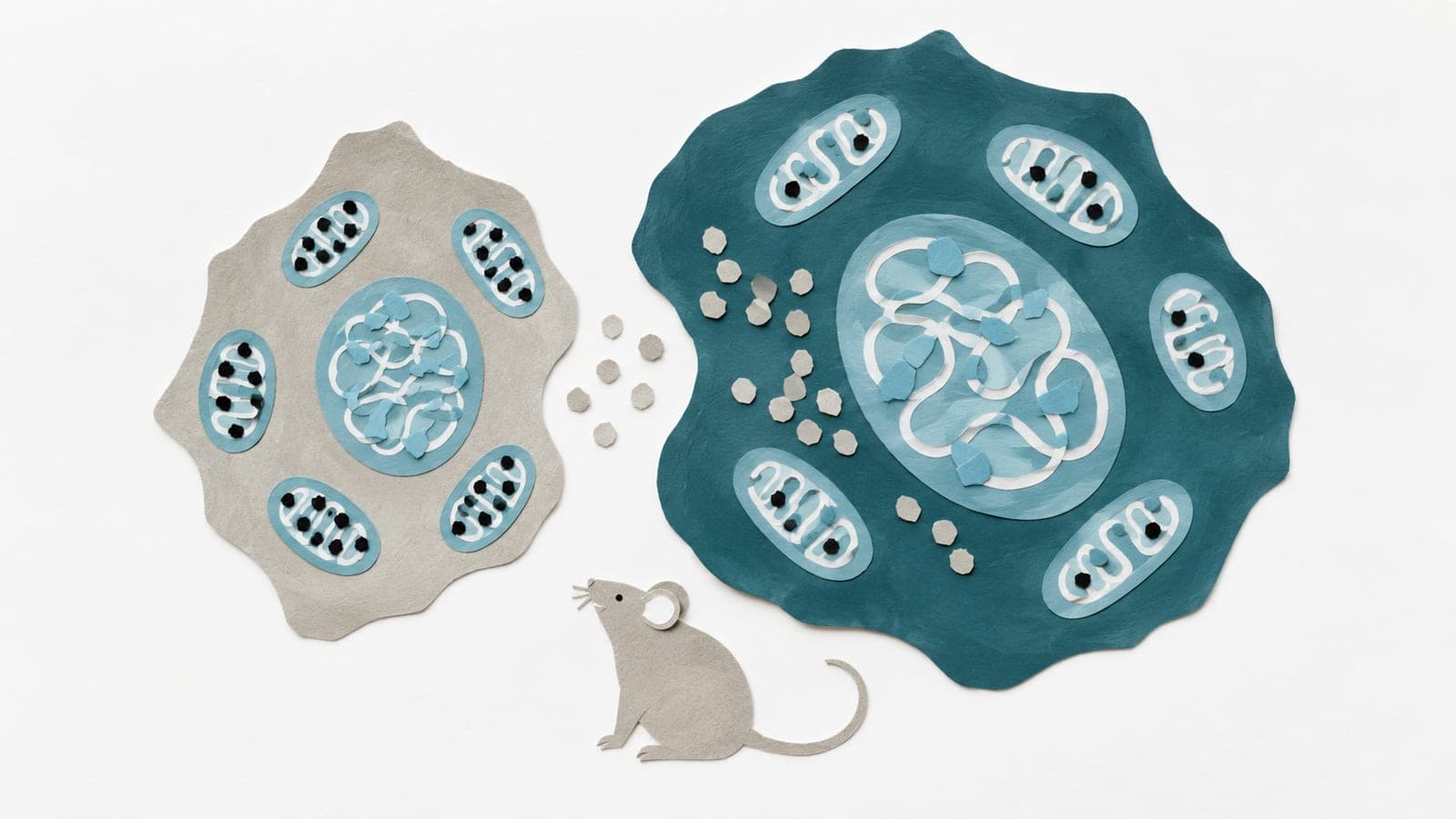
Necrotizing enterocolitis (NEC), a life-threatening neonatal disease, involves mitochondrial dysfunction whose regulation remains unclear. This study identifies a novel Sir1/Hif-1α regulatory axis in NEC pathogenesis. We demonstrate that Sirt1 downregulation in NEC leads to Hif-1α hyperacetylation, resulting in Bnip3-mediated mitophagy activation and intestinal epithelial injury. Using clinical samples and experimental models, we show that Sirt1 downregulation correlates with mitochondrial dysfunction and intestinal barrier disruption. Pharmacological Sirt1 activation by SRT1720 effectively attenuated NEC progression through Hif-1α deacetylation and subsequent mitophagy inhibition. Importantly, we provide the first evidence that Sirt1 directly regulates Hif-1α acetylation status in intestinal epithelial cells, establishing a new molecular mechanism linking protein acetylation to mitochondrial quality control in NEC. These findings reveal Sirt1 as a master regulator of intestinal homeostasis and highlight Sirt1 activation as a promising therapeutic approach for NEC treatment.
The paper
Tongji Hospital
Free Radical Biology & Medicine, 12 Sep 2025
doi.org/10.1016/j.freeradbiomed.2025.09.020PubMed 40947034
Corrected, 1 Jul 2026