The moderating role of walking in the association between HDL cholesterol and cognitive function among Korean older adults: a nationwide population-based cross-sectional study
Abstract
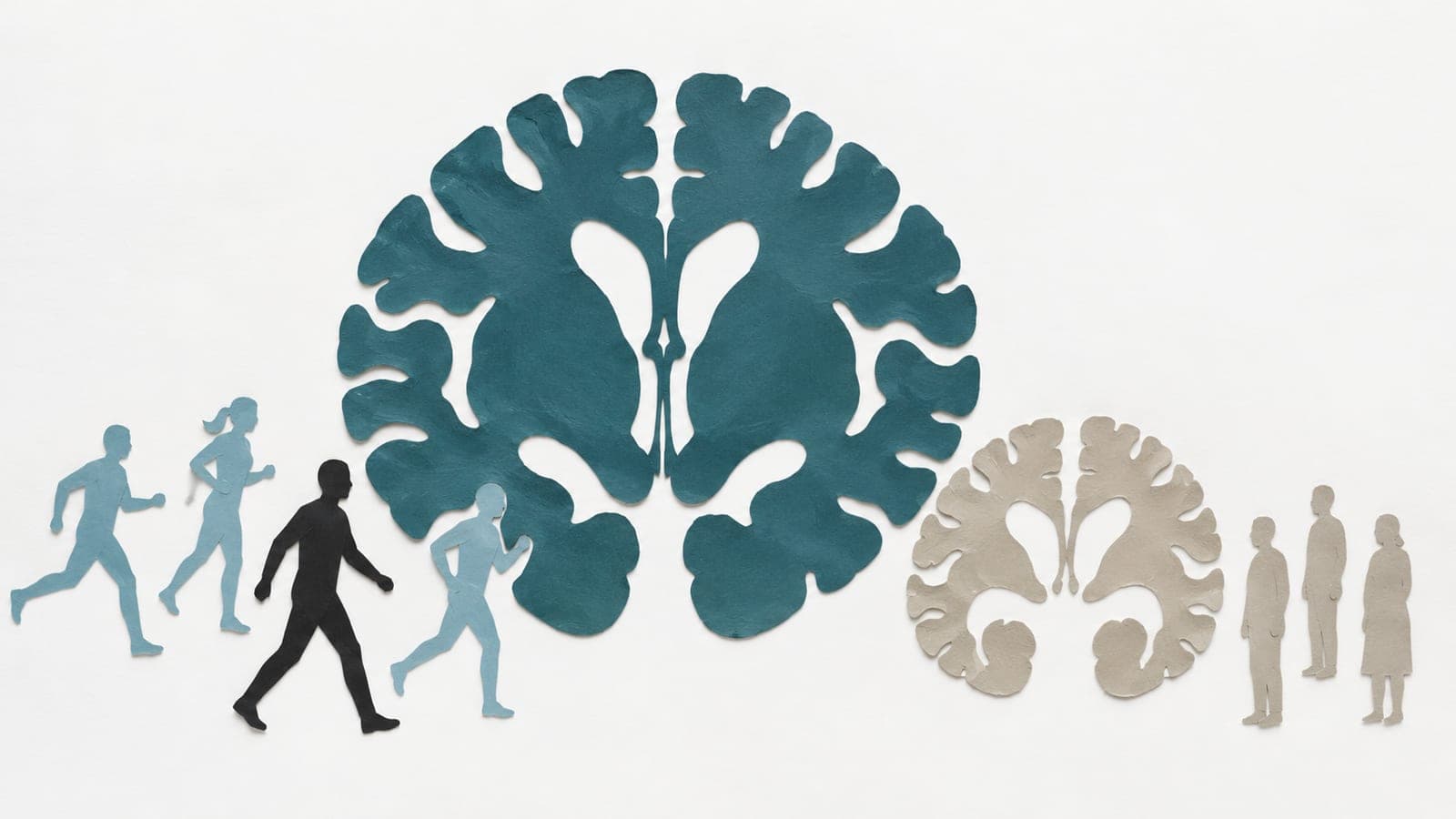
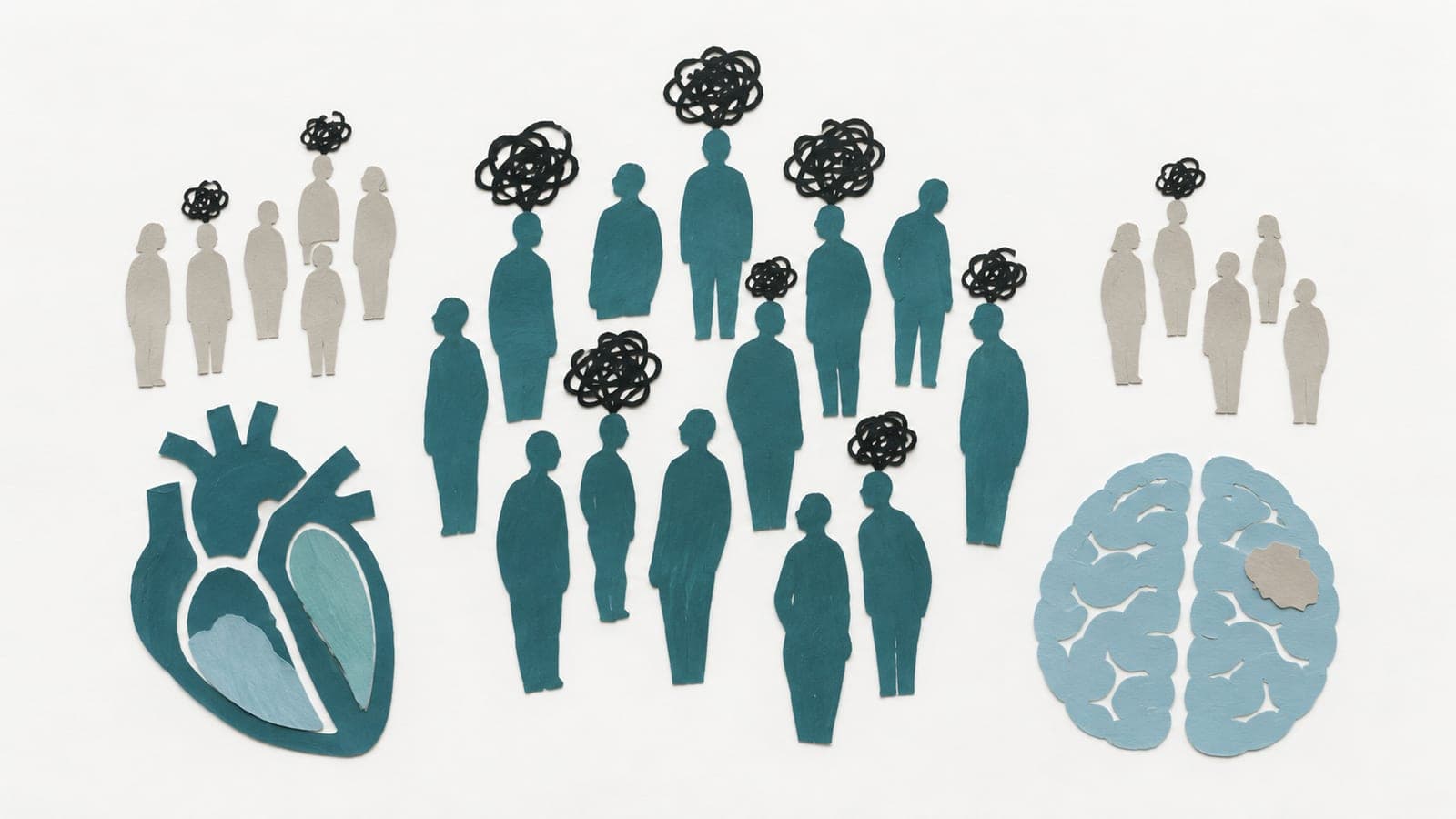
BACKGROUND: The biopsychosocial model of dementia emphasizes an integrative approach that takes into account the joint effects of biological and behavioral processes relevant to cognitive function. Based on this model, this study examined the interactive effects of biological (i.e., high-density lipoprotein; HDL) and behavioral (i.e., frequency of walking) factors on cognitive function (measured using KDSQ-C) among South Korean (hereafter "Korean") older adults. We conducted a subgroup analysis to explore whether the interaction of these factors differs depending on older adults' history of chronic conditions. METHODS: This study used cross-sectional Korean National Health Insurance Service data from 2009 that included a sample of older adults who remained qualified for health insurance and medical aid (n = 20,162). Linear regression models that tested for the interaction effects between HDL and frequency of walking on cognition were analyzed separately for two groups - no history of hypertension or diabetes and those with a history of hypertension or diabetes. RESULTS: Results showed significant interaction effects (β = -0.024, p < 0.05) between HDL cholesterol and walking only among older adults with a history of chronic diseases. Specifically, more frequent engagement in walking buffered the negative effect of low HDL cholesterol on cognitive function for those with a history of hypertension or diabetes. CONCLUSION: These findings show that regular walking significantly attenuates the negative impact of low HDL cholesterol on cognitive function among Korean older adults with a chronic disease history. This highlights the importance of developing tailored intervention programs that emphasize the health benefits of walking, particularly for older adults with hypertension and diabetes, to help mitigate cognitive decline and promote overall cognitive health.
The paper
Pusan National University; Maryland Department of Health
Frontiers in Public Health, 20 Aug 2025