Multi-modal comparative phenotyping of knock-in mouse models of frontotemporal dementia/amyotrophic lateral sclerosis
Abstract
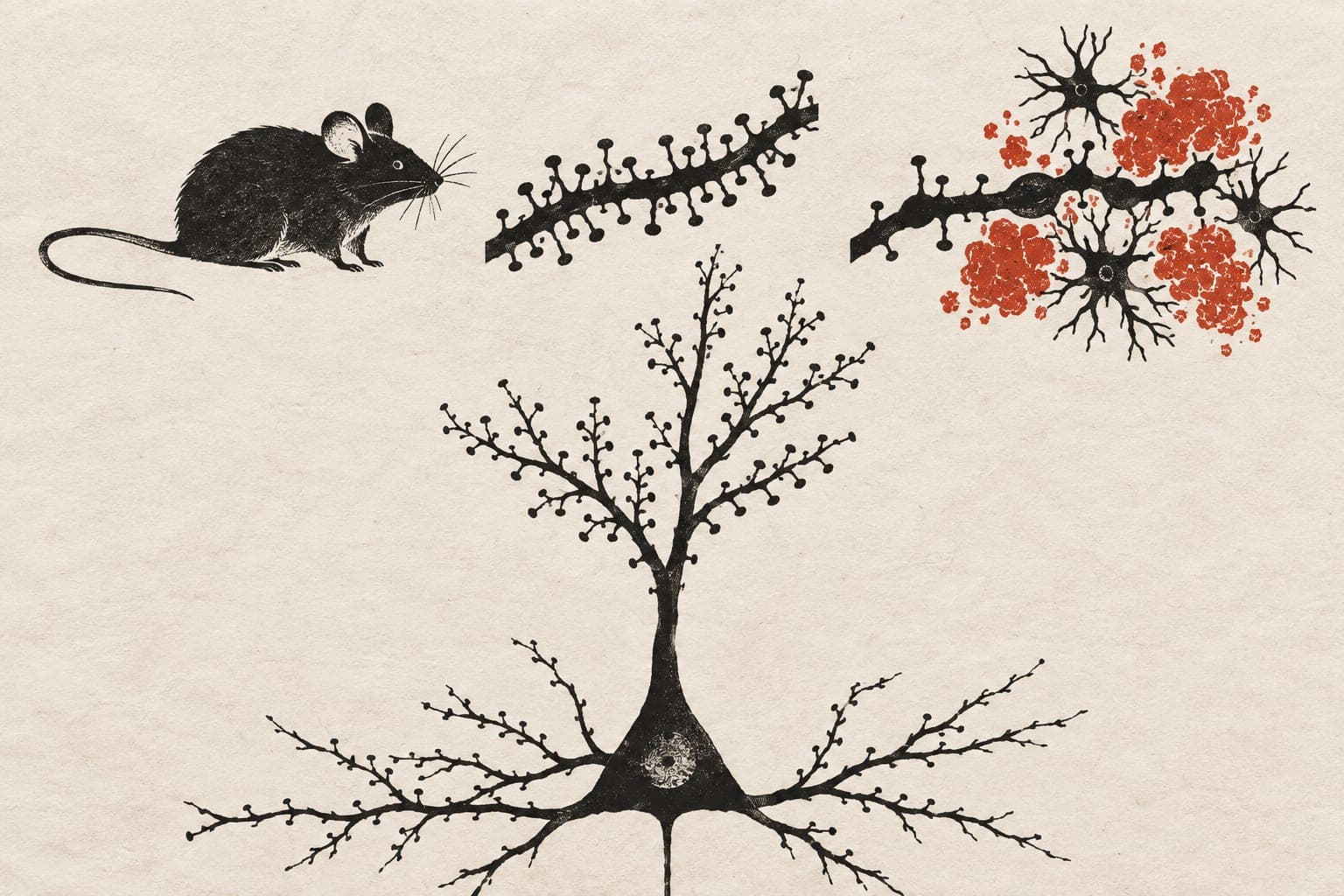
Amyotrophic lateral sclerosis (ALS) and frontotemporal dementia (FTD) are progressive adult-onset neurodegenerative diseases with overlapping pathological and genetic origins. They are caused by multiple underlying mechanisms leading to a common collection of clinical features that occur in a spectrum. Here, we report side-by-side longitudinal behavioural, cognitive and sensory phenotyping of two mouse models of ALS/FTD, to determine which aspects of the disease they recapitulate. We used knock-in models, in which the endogenous mouse orthologues of the C9orf72 and TARDBP (encoding TDP-43) genes have been altered to model specific molecular aspects of ALS/FTD. We found that the C9orf72GR400/+ model exhibits age-related deficit in short-term memory and that parental genotype affects exploration activity in offspring. In the TardbpQ331K/Q331K model, we found age-related changes in weight, fat mass, locomotion and marble burying. In both models, we found no evidence of deficits in vision or olfactory habituation-dishabituation. These data provide new insight into genotype-phenotype relationships in these ALS/FTD mice, which can be used to inform model choice and experimental design in future research studies.
The paper
UK Dementia Research Institute
Disease Models & Mechanisms, 26 Aug 2025, Open access