Tumor-derived exosomal tsRNA 3'tiRNA-AlaCGC in promoting fibroblast senescence and Galectin-9 secretion to induce immune tolerance in lung adenocarcinoma
Abstract
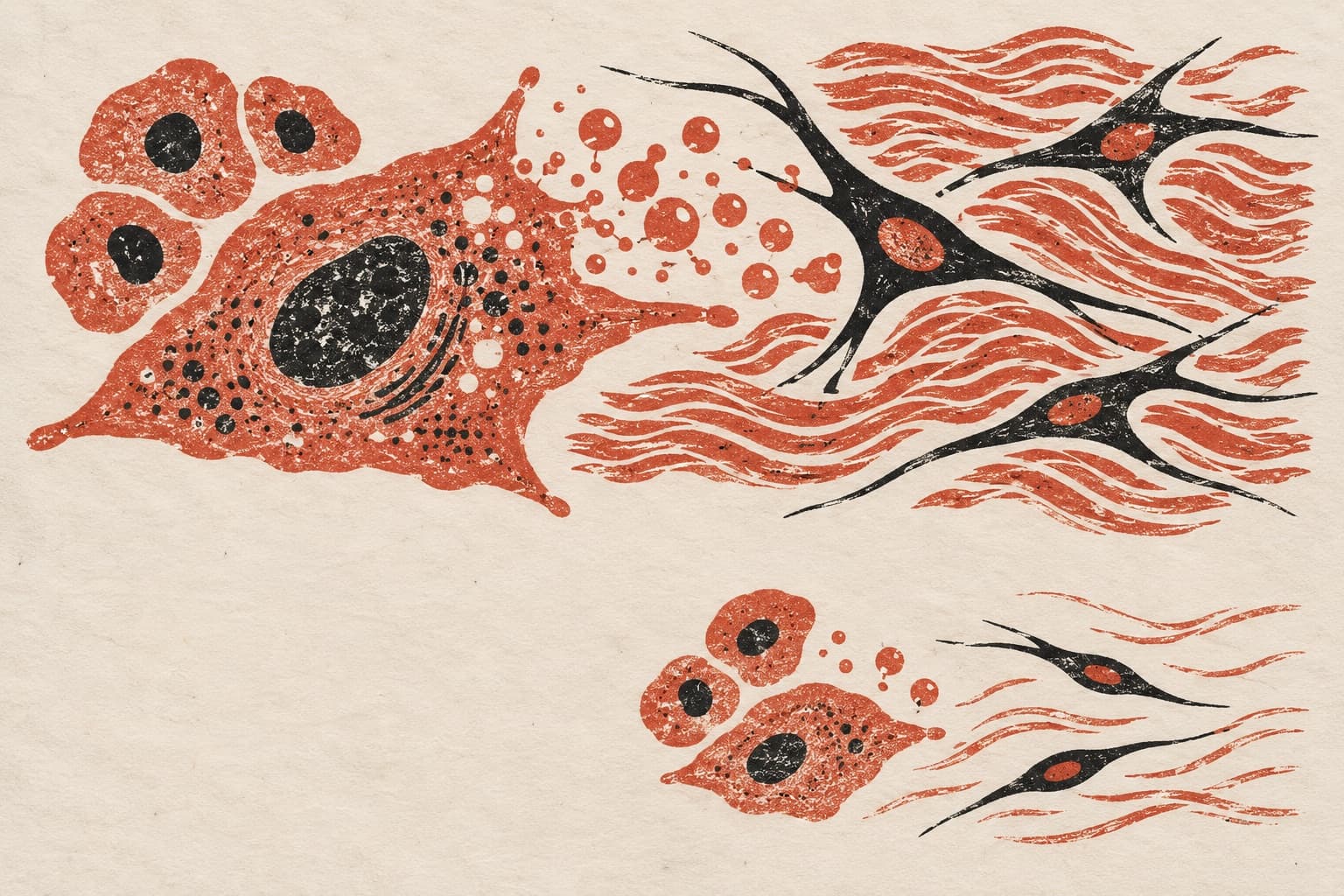
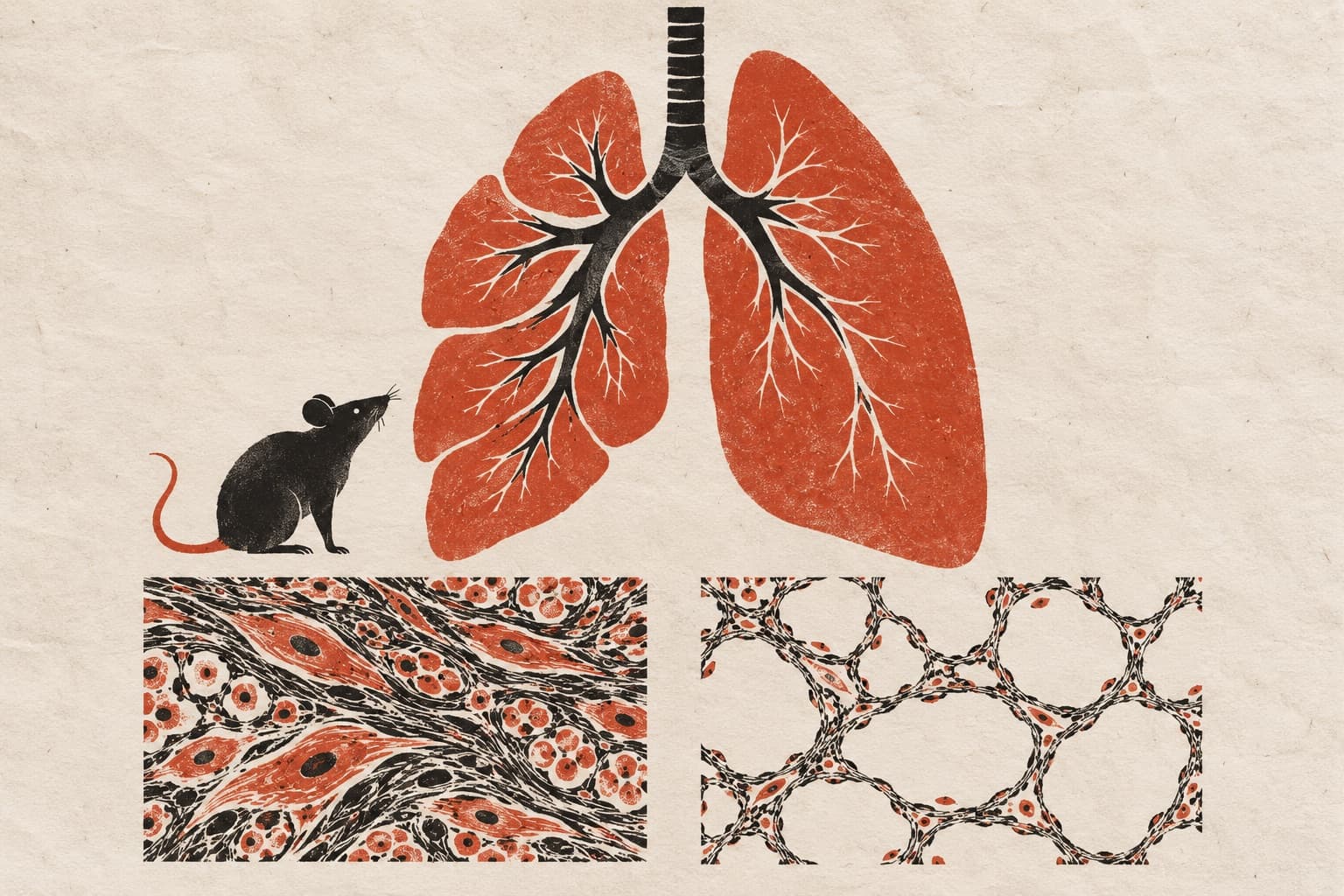
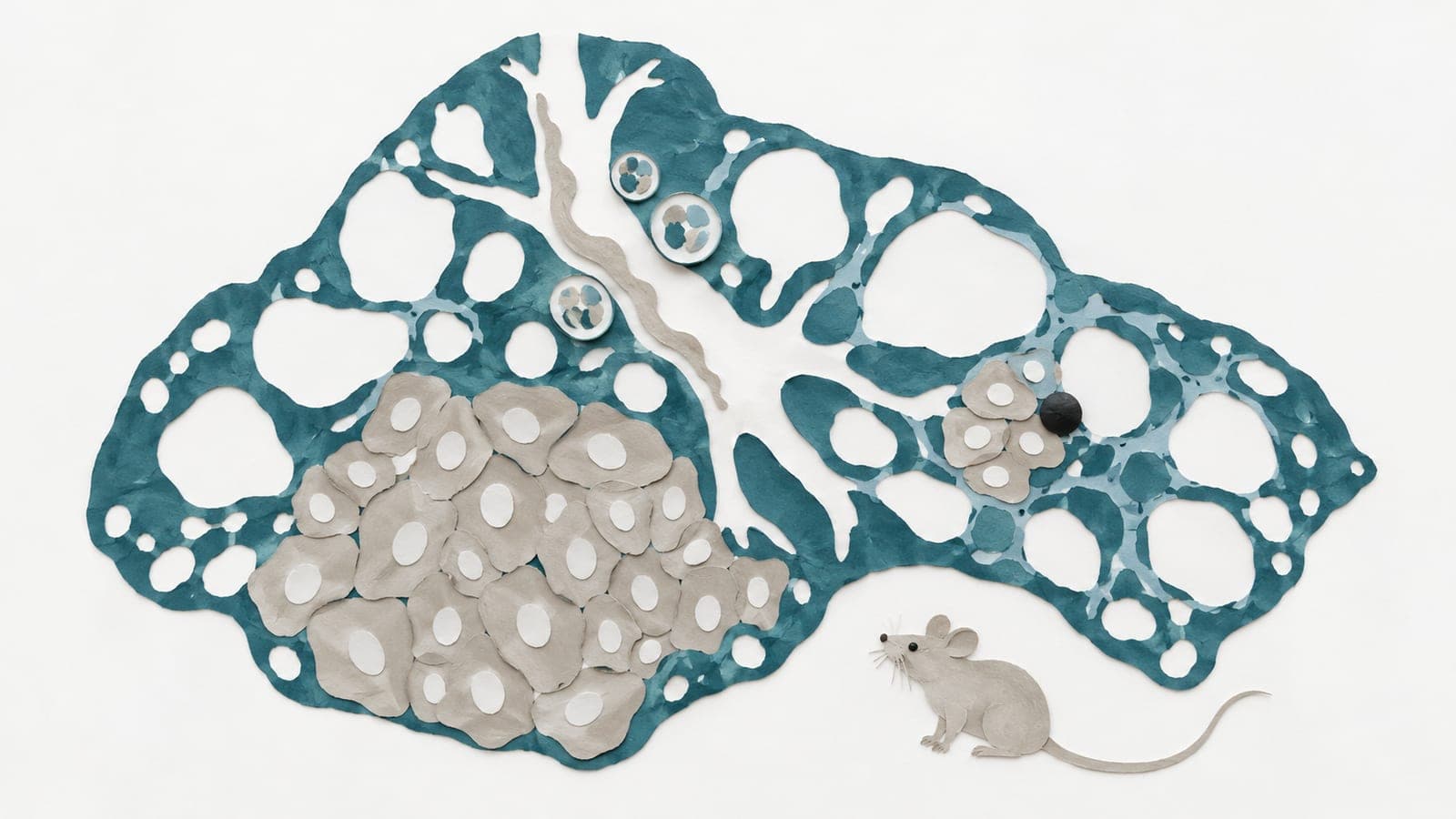
Given the heterogeneity of the tumor microenvironment (TME), neoadjuvant immunotherapy combined with chemotherapy benefits only a subset of lung adenocarcinoma (LUAD) patients, and the mechanisms of resistance remain unclear. Transfer RNA-derived small RNAs (tsRNAs) are a new class of non-coding RNAs that participate in the remodeling of the TME. Using high-throughput small RNA microarray analysis, we found elevated expression of tsRNA 3'tiRNA-AlaCGC in tumors of LUAD patients resistant to neoadjuvant therapy, and negatively correlated with the poor prognosis in LUAD patients. Furthermore, we discovered that tumor-derived exosome carrying 3'tiRNA-AlaCGC target fibroblasts to induce a senescence-associated secretory phenotype (SASP) by inhibiting FOXO3, and activating the TGF-β/Smad3 pathway, thereby increasing Galectin-9 secretion; both SASP and Galectin-9 induce synthetically dysfunction of cytotoxic CD8⁺ T cells. In vivo experiments revealed that high expression of 3'tiRNA-AlaCGC led to decrease infiltration and diminished cytotoxic function of CD8⁺ T cells in tumors of C57BL/6 mice, resulting in anti-PD-L1 therapy resistance. Collectively, our research underscores the immunosuppressive role of 3'tiRNA-AlaCGC in LUAD, offering insights into its molecular traits and aiding personalized treatment strategy development.
The paper
Fudan University
Cell Death Discovery, 25 Aug 2025
doi.org/10.1038/s41420-025-02695-3PubMed 40855047
Corrected, 13 Jan 2026