CCN1: A Dermo-Epidermal Crosstalk Mediator and Regulatory Protein in Cutaneous Homeostasis
Abstract
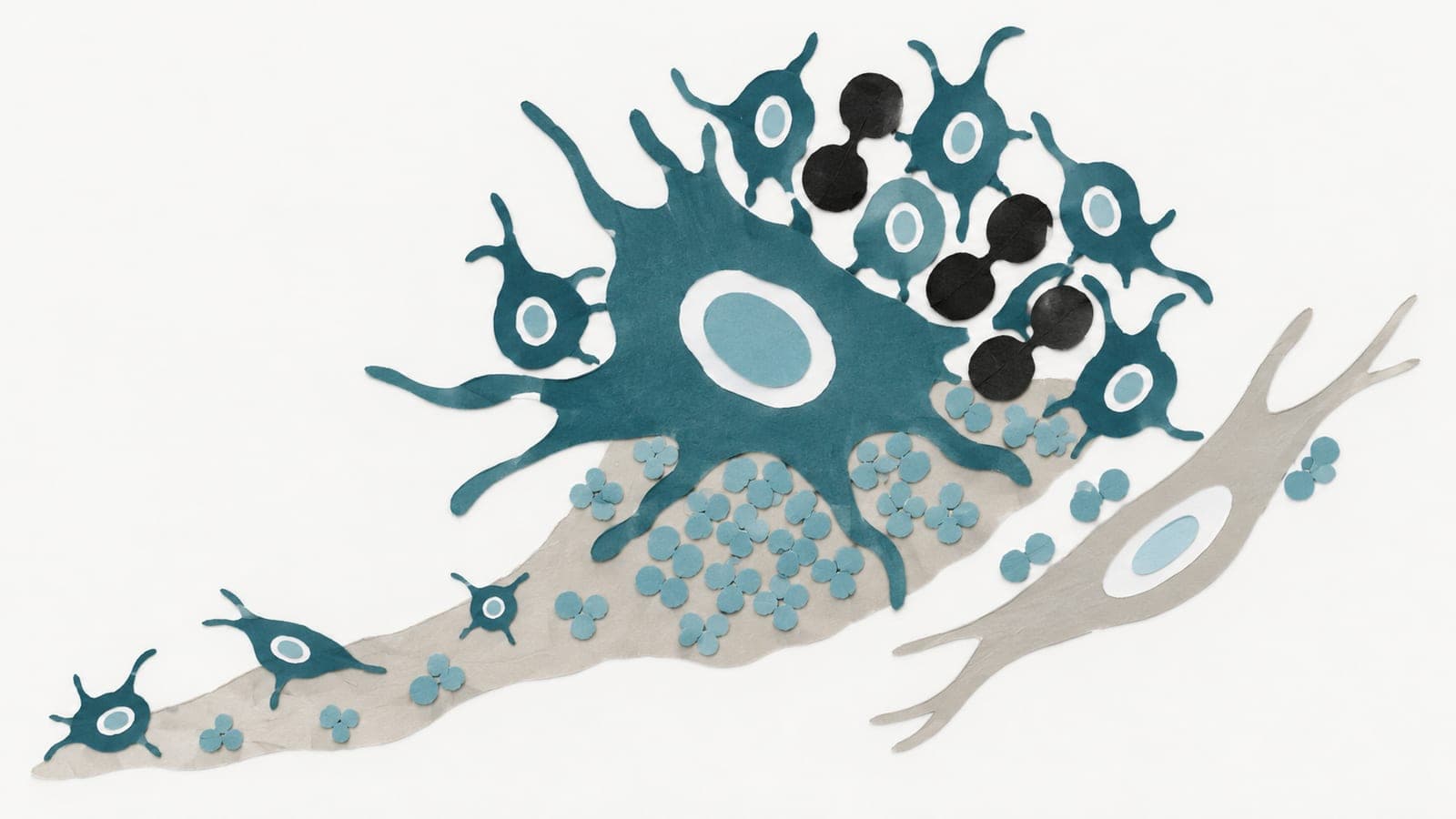
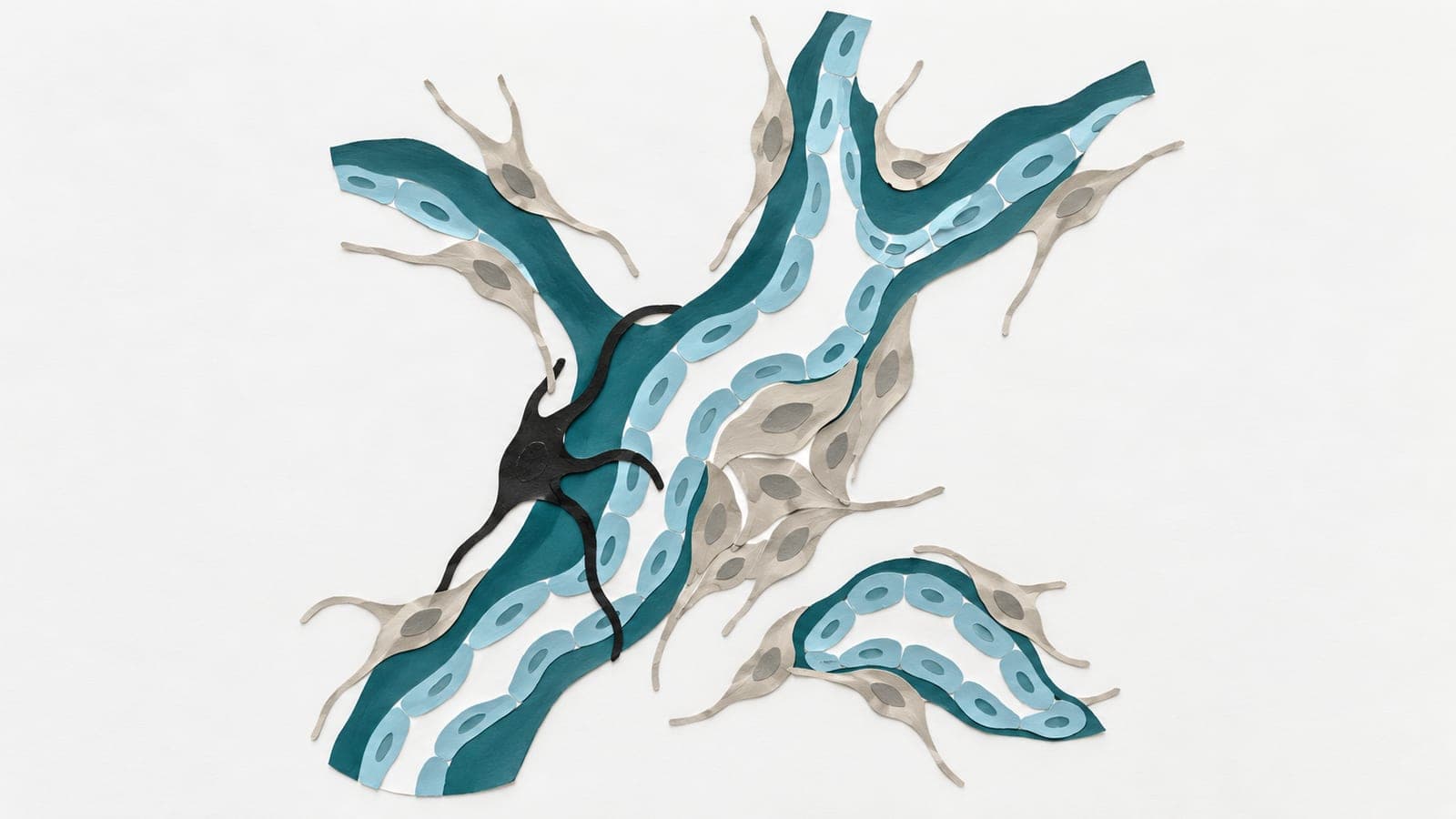
Cellular communication network factor 1 (CCN1), also known as cysteine-rich angiogenic inducer 61 (CYR61), is a pivotal member of the CCN family, which comprises six secretory matricellular proteins. CCN1 exhibits multifaceted biological functions, including regulation of cell proliferation, differentiation, senescence, angiogenesis and tissue repair. Current evidence demonstrates that CCN1 activates intracellular signalling cascades by binding to receptors such as integrins and heparan sulphate proteoglycans (HSPGs), thereby mediating its biological effects. Furthermore, CCN1 plays critical roles in diverse pathological conditions, including cutaneous wound healing, skin ageing, psoriasis, diabetic ulcers and melanoma. This review delineates the interaction between CCN1 and the extracellular matrix (ECM), highlighting its capacity to mediate dermo-epidermal communication and maintain skin structural homeostasis. As a tunable molecular target, CCN1 holds significant potential for addressing cutaneous disorders and enhancing skin health. Despite extensive investigations into its roles in dermatological diseases (e.g., psoriasis, melanoma), applications in cosmetics and cosmeceuticals remain nascent. Consequently, this study aims to elucidate the mechanistic contributions of CCN1 to skin physiology and pathology, providing a strategic framework for its translational exploitation in dermatological therapeutics and cosmeceutical innovation.
The paper
Beijing Technology and Business University
Experimental Dermatology, 1 Aug 2025