Time-resolved miRNA-mRNA integrated analysis reveals the miRNA-mRNA networks underlying plasma membrane damage-dependent senescence and DNA damage response-dependent senescence in WI-38 normal human fibroblasts
Abstract
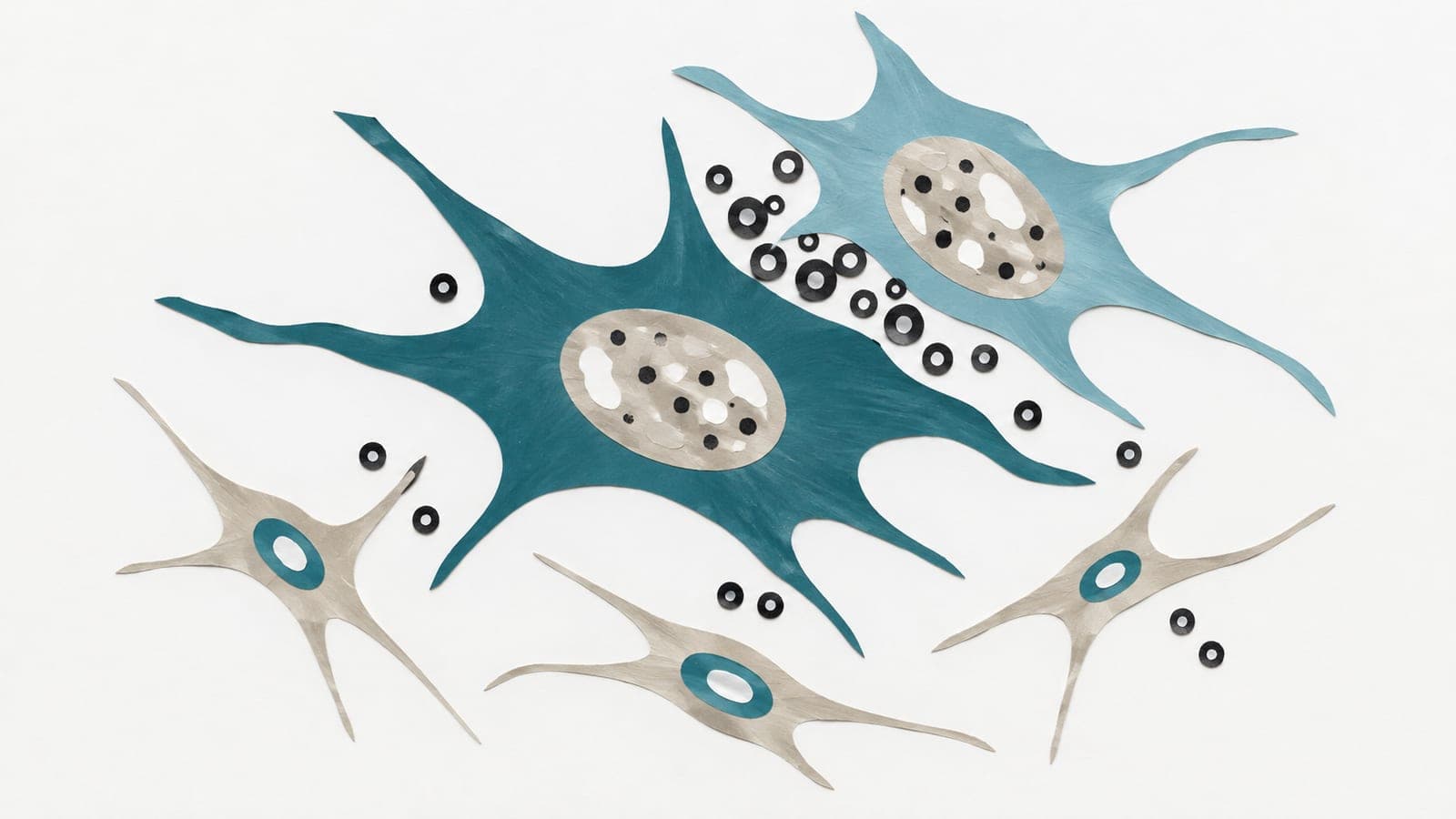
Cellular senescence is a stable cell cycle arrest associated with upregulated inflammatory responses. Senescent cells contribute to various pathological and physiological processes including organismal ageing and cancer. Cellular senescence can be induced by various cellular stresses including DNA damage, telomere shortening, oncogene activation, and epigenetic alterations. We have shown that plasma membrane damage can also induce cellular senescence. However, common and specific molecular mechanisms among different senescent cell subtypes remain unknown. MicroRNAs (miRNAs) regulate mRNA and rewire gene expression profiles, contributing to multiple processes including cellular senescence. Here, we performed time-resolved miRNA sequencing and compared the results with mRNA sequencing results using cells experiencing plasma membrane damage-dependent senescence (PMD-Sen) and cells undergoing DNA damage response-dependent senescence (DDR-Sen). We found 65 miRNAs that are differentially regulated in PMD-Sen, contributing to 2,495 miRNA-mRNA pairs. Moreover, PMD-Sen and DDR-Sen shared 41 miRNAs across their sets of miRNA-mRNA pairs. Notably, miR-155-5p emerged as the miRNA with the largest number of shared miRNA-mRNA pairs that exhibit a highly negative correlation. These results highlight miR-155-5p as the potential key regulator of PMD-Sen and DDR-Sen.
The paper
Okinawa Institute of Science and Technology Graduate University
RNA Biology, 22 Aug 2025, Open access