Parthanatos: A redox-dependent cell death pathway in cardiovascular disease and myocardial aging
Abstract
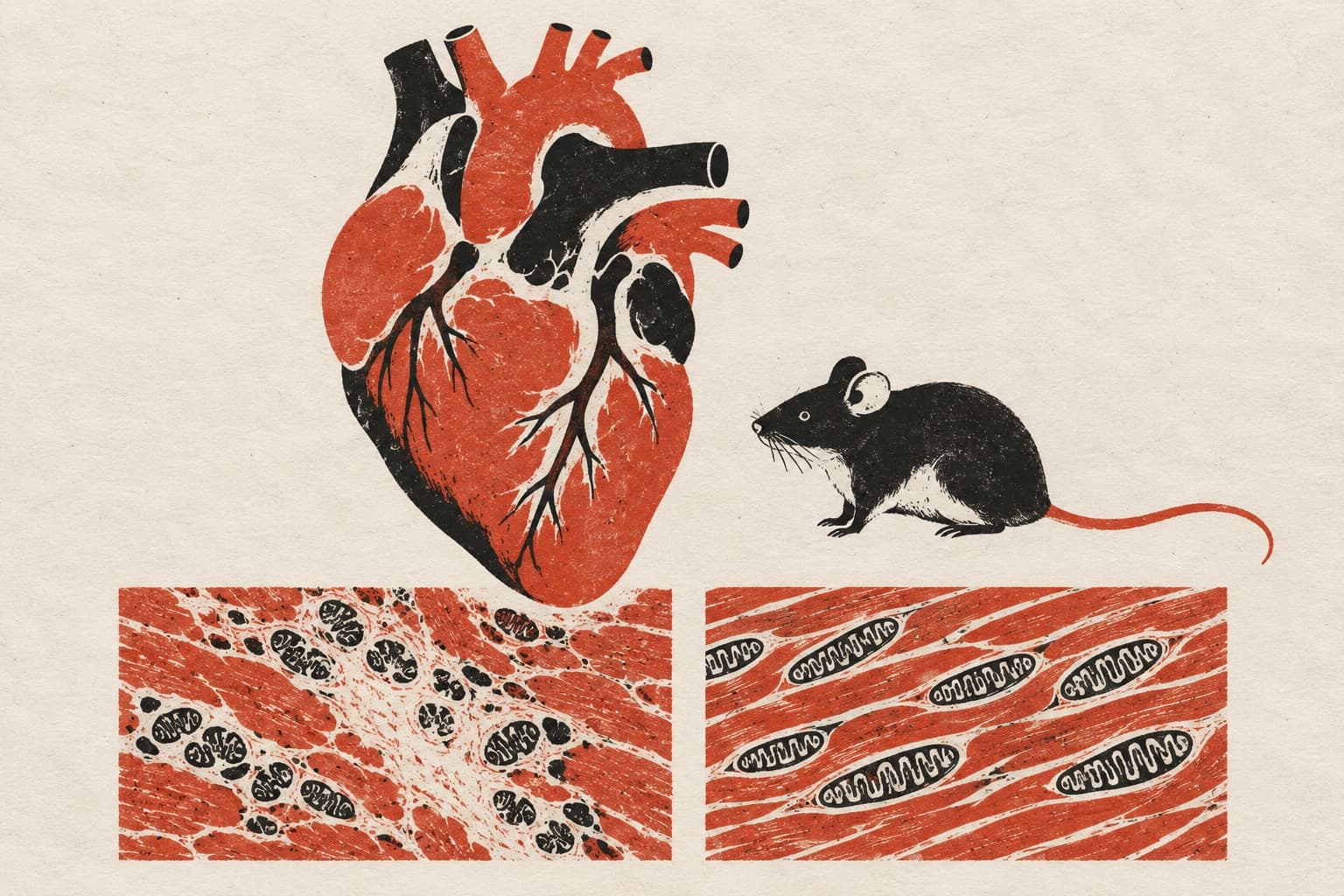
Parthanatos, a form of programmed cell death that is heavily dependent on redox imbalance, is gaining attention for its important role in cardiovascular disease (CVD) and myocardial aging. Its core mechanism involves hyperactivation of poly (ADP-ribose) polymerase-1 (PARP1), triggered primarily by oxidative stress-induced DNA damage. This hyperactivation initiates a detrimental cascade: excessive consumption of NAD+ and ATP leads to cellular energy crisis, while the resultant accumulation of poly (ADP-ribose) (PAR) polymers facilitates the nuclear translocation of apoptosis-inducing factor (AIF), culminating in large-scale DNA fragmentation and cell demise. Crucially, this pathway intertwines with oxidative stress, forming a vicious cycle that amplifies cellular damage. Within CVD, parthanatos is implicated in the pathogenesis of myocardial ischemia/reperfusion (MI/R) injury, atherosclerosis, and heart failure. Furthermore, in myocardial aging, the age-related accumulation of oxidative stress and DNA damage promotes parthanatos activation, contributing to cardiomyocyte loss, fibrosis, and functional decline. Understanding this redox-dependent death pathway reveals novel therapeutic targets, including PARP1 inhibitors, strategies to block AIF translocation, NAD+ precursors to restore redox and energy balance, and exercise interventions that enhance antioxidant defenses. Elucidating the intricate interplay between parthanatos and redox signaling offers significant potential for developing interventions to combat CVD and age-related cardiac dysfunction.
The paper
Guangxi Normal University; Xijing Hospital
Pathology, Research and Practice, 15 Aug 2025