Targeting CCNE2 to alleviate rheumatoid arthritis through inducing senescence and apoptosis
Abstract
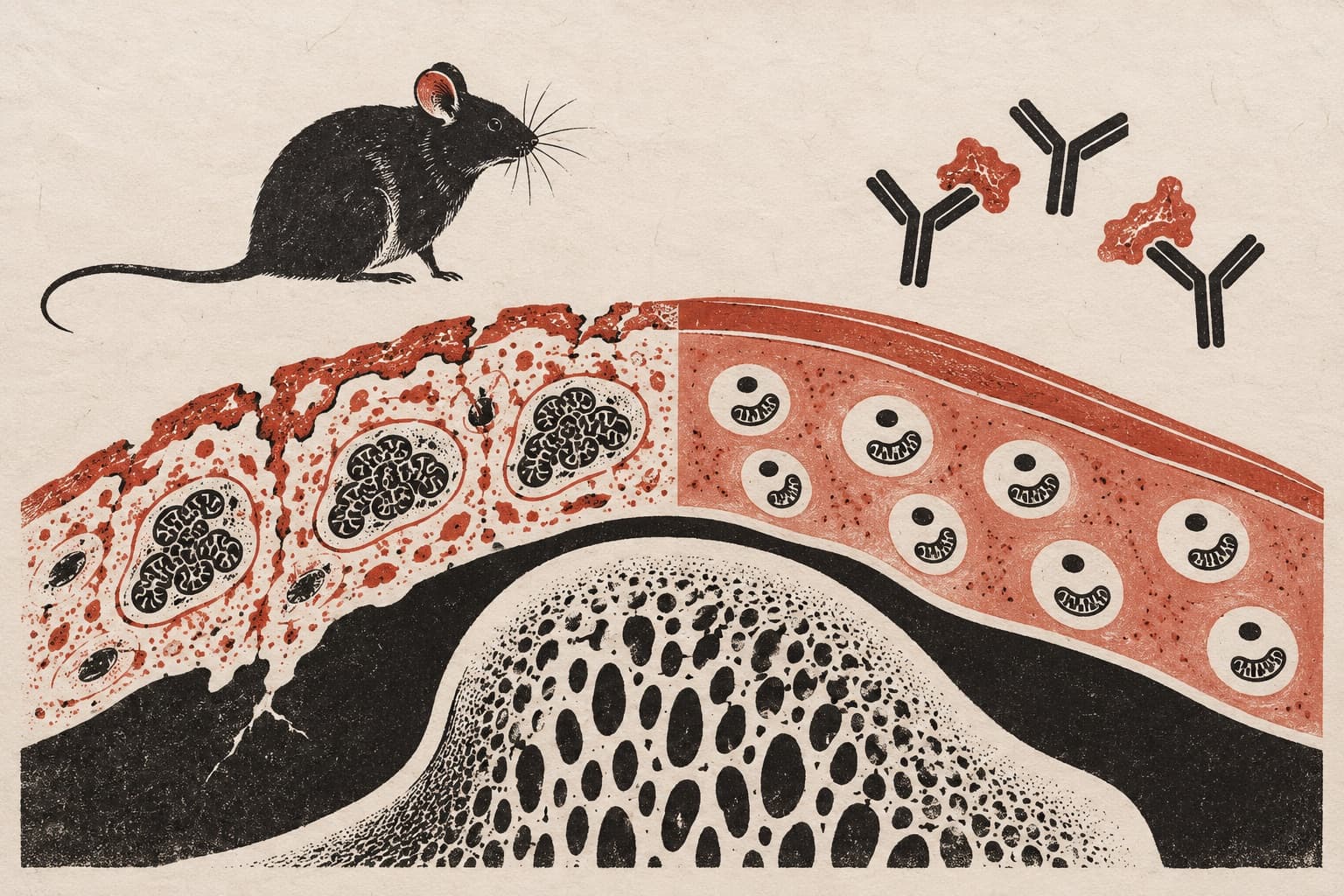
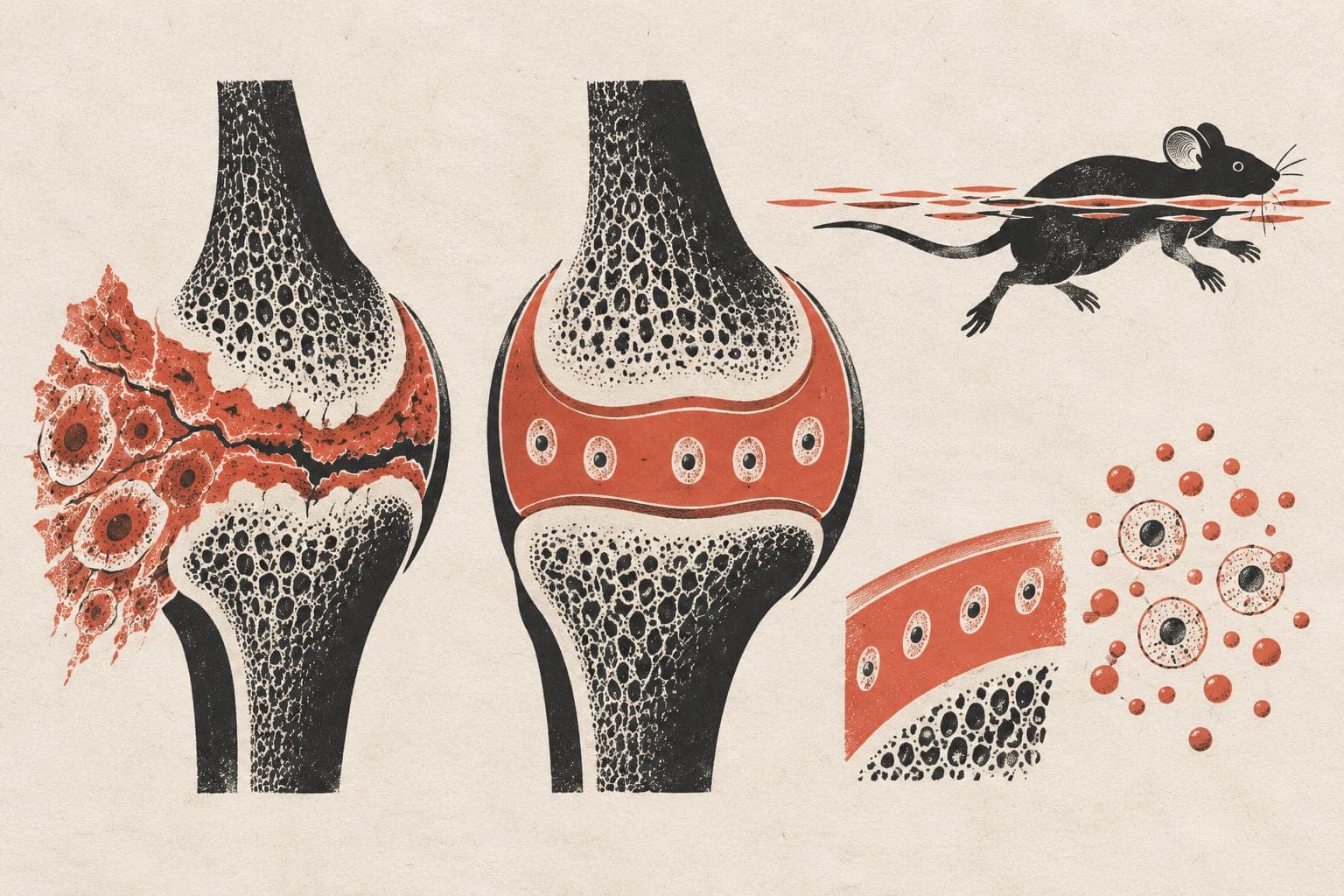
This study explored the role of cellular senescence in the progression of rheumatoid arthritis (RA) and evaluated the targeting of Cyclin E2 (CCNE2) in synovial fibroblasts as a potential therapeutic approach. A risk prediction model for RA was developed using LASSO regression analysis, which involved analyzing differential gene expression and performing Gene Set Enrichment Analysis (GSEA). The model was validated using the Receiver Operating Characteristic (ROC) curve. CCNE2 expression was examined via Western blotting. Knockdown of CCNE2 in RA synovial fibroblasts (RASFs) using shRNA resulted in reduced cell viability, increased apoptosis, and elevated levels of senescence markers such as p16, p21, and p53. Additionally, senescence-associated β-galactosidase (SA-β-Gal) activity and H3K9me3 fluorescence intensity were significantly increased. In vivo, Adeno-Associated Virus (AAV)-mediated intra-articular injection of shCCNE2 in a collagen-induced arthritis (CIA) mouse model significantly reduced the arthritis index, alleviated joint inflammation, and suppressed CCNE2 expression. Furthermore, the secretion of SASP factors such as MMP-3 and IL-8 was significantly enhanced. These findings suggest that targeting CCNE2 induces senescence in RASFs and may offer a novel strategy to mitigate RA progression and inflammation.
The paper
Shanghai Jiao Tong University
Modern Rheumatology, 18 Aug 2025