Association of sensory and motor impairments with dementia: a cross-sectional analysis in US older adults
Abstract
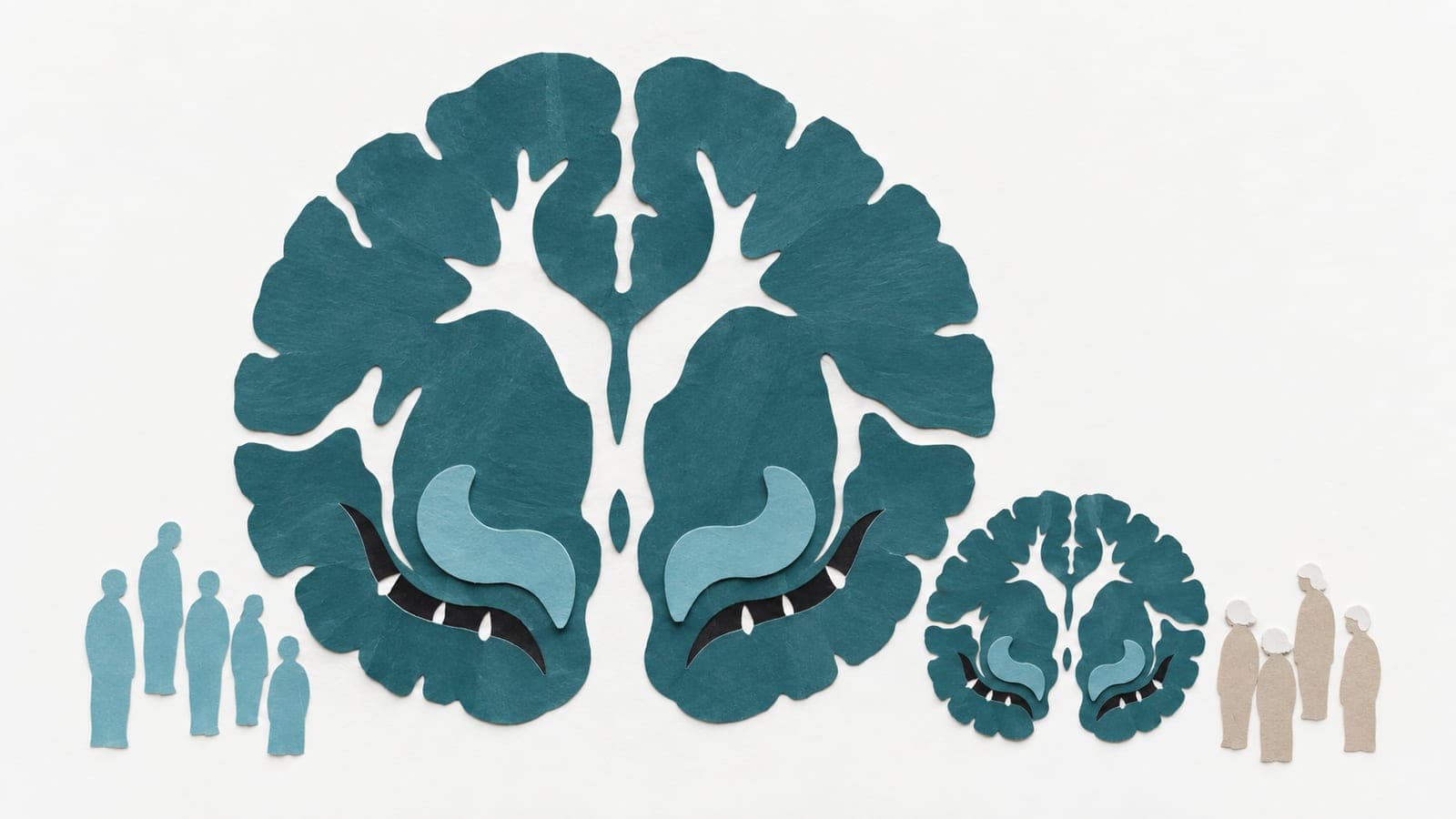
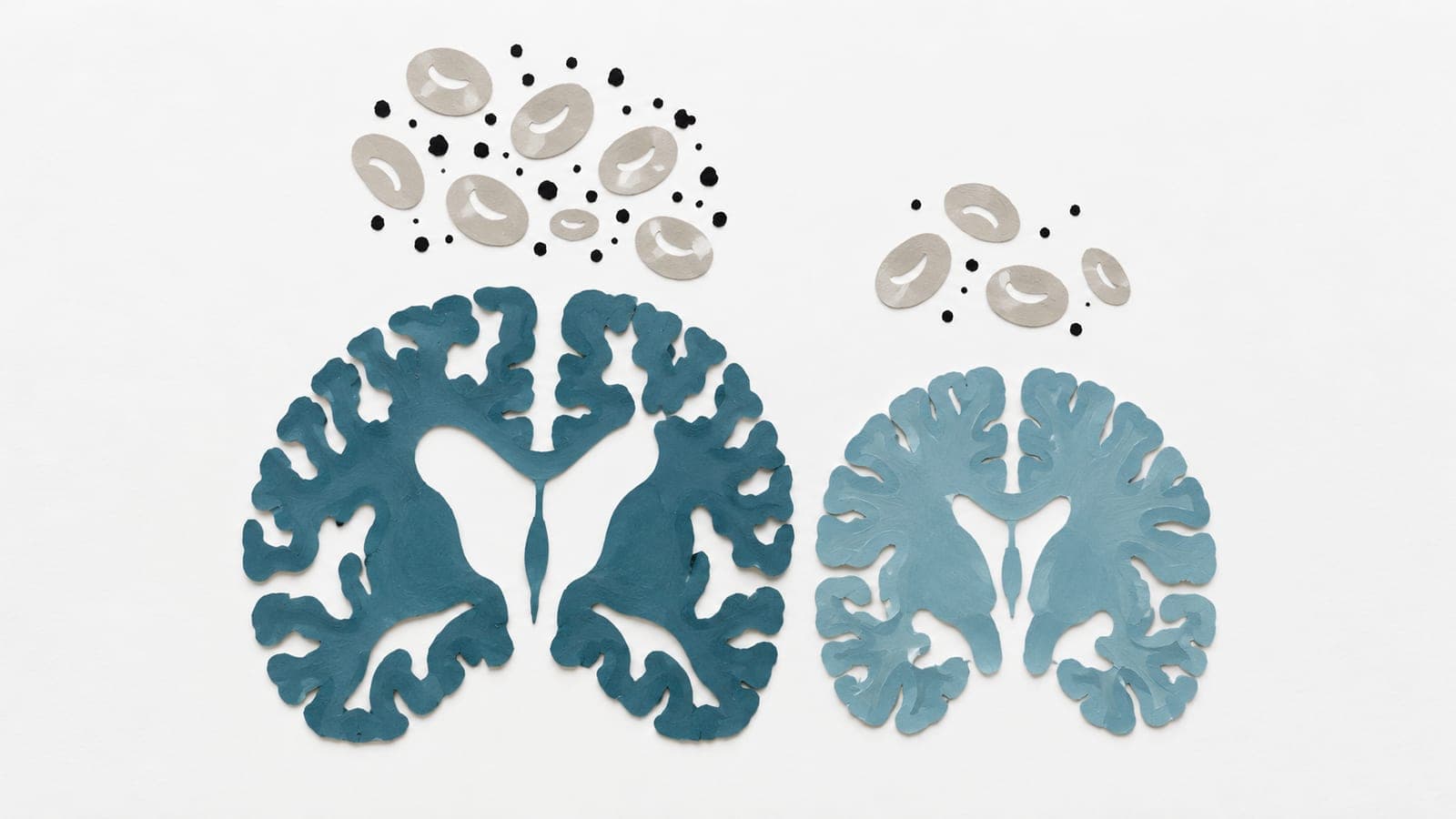
BACKGROUND: Impairments in sensory and motor function are common in older adults and have been linked with higher prevalence of dementia. However, their independent associations with dementia have not been examined in a nationally representative population. METHODS: Cross-sectional analysis of the National Health and Aging Trends Study (NHATS; Round 11/2021) of U.S. Medicare beneficiaries. Dementia was classified per NHATS protocol as none, possible, or probable dementia. Vision measures included presenting binocular distance visual acuity, near visual acuity, and contrast sensitivity. Hearing measures included the pure tone average of the better ear. Motor function measures included gait speed, chair stands time, balance score, and grip strength. Dichotomized or categorized presence of impairment in each sensory and motor function was defined and used as the main exposures. Multivariable survey-weighted logistic regression was used to assess the independent associations of sensory and motor function impairments with dementia status. RESULTS: Our final analytic sample included 2,379 participants with 36.6% aged ≥ 80 years, 56.2% female, 82.9% non-Hispanic White, and 9.8% having possible or probable dementia. In adjusted models including visual, hearing, and motor function variables, participants with impairment in gait (odds ratio (OR), 2.18; 95% CI, 1.32-3.6; p = 0.004), chair stand performance (OR, 1.69; 95% CI, 1.17-2.44; p < 0.01), or visual contrast sensitivity (OR, 1.52; 95% CI, 1.04-2.22; p = 0.03) had higher odds of dementia. Impaired standing balance, grip strength, hearing, and near visual acuity were not associated with higher odds of dementia (p > 0.05). CONCLUSIONS: Findings suggest current impairment in vision or motor function may be strong indicators of prevalent dementia in older adults.
The paper
Johns Hopkins University
BMC Geriatrics, 12 Aug 2025