Transcription factor MEOX1 accelerates pulmonary fibrosis by regulating mitophagy and senescence
Abstract
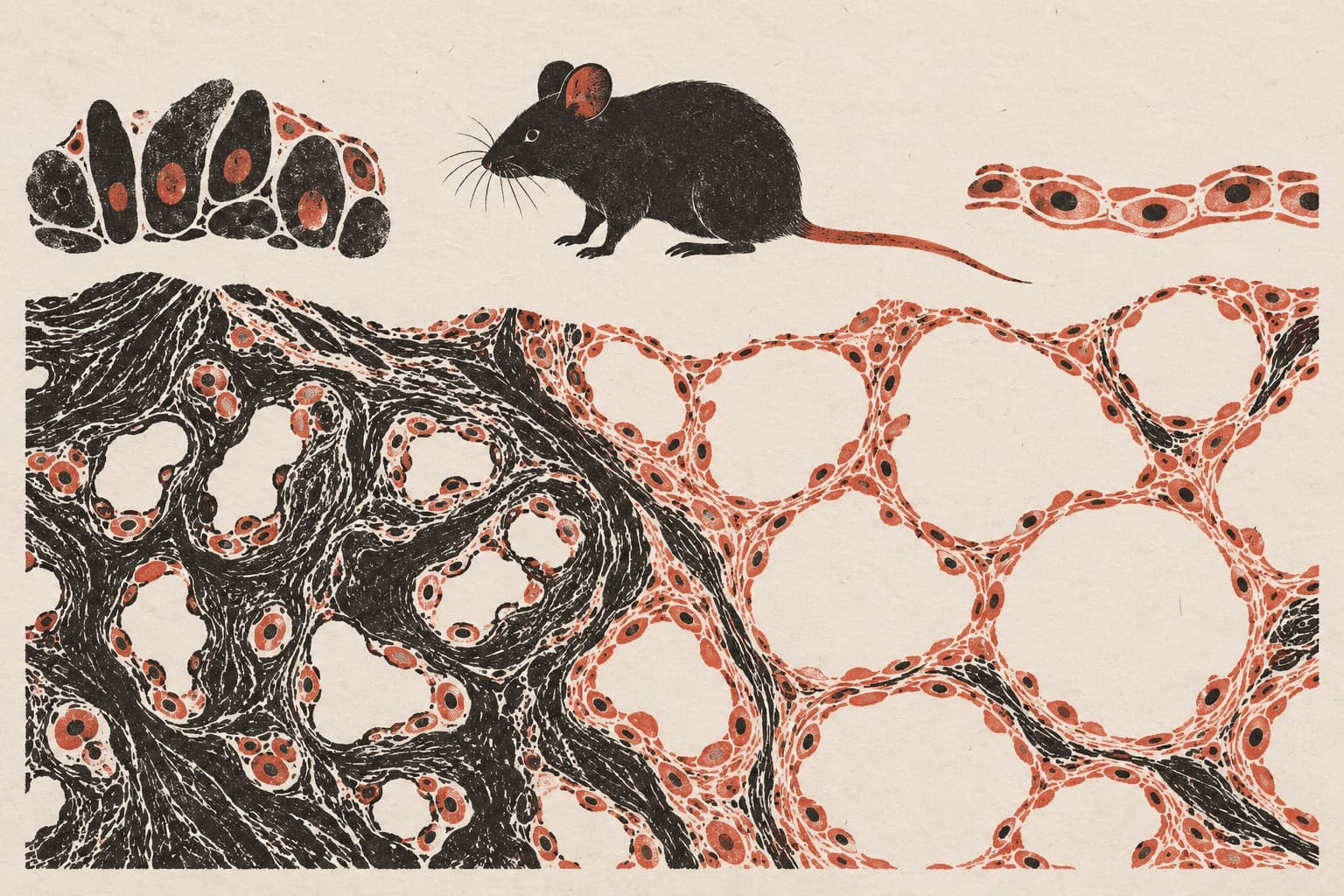
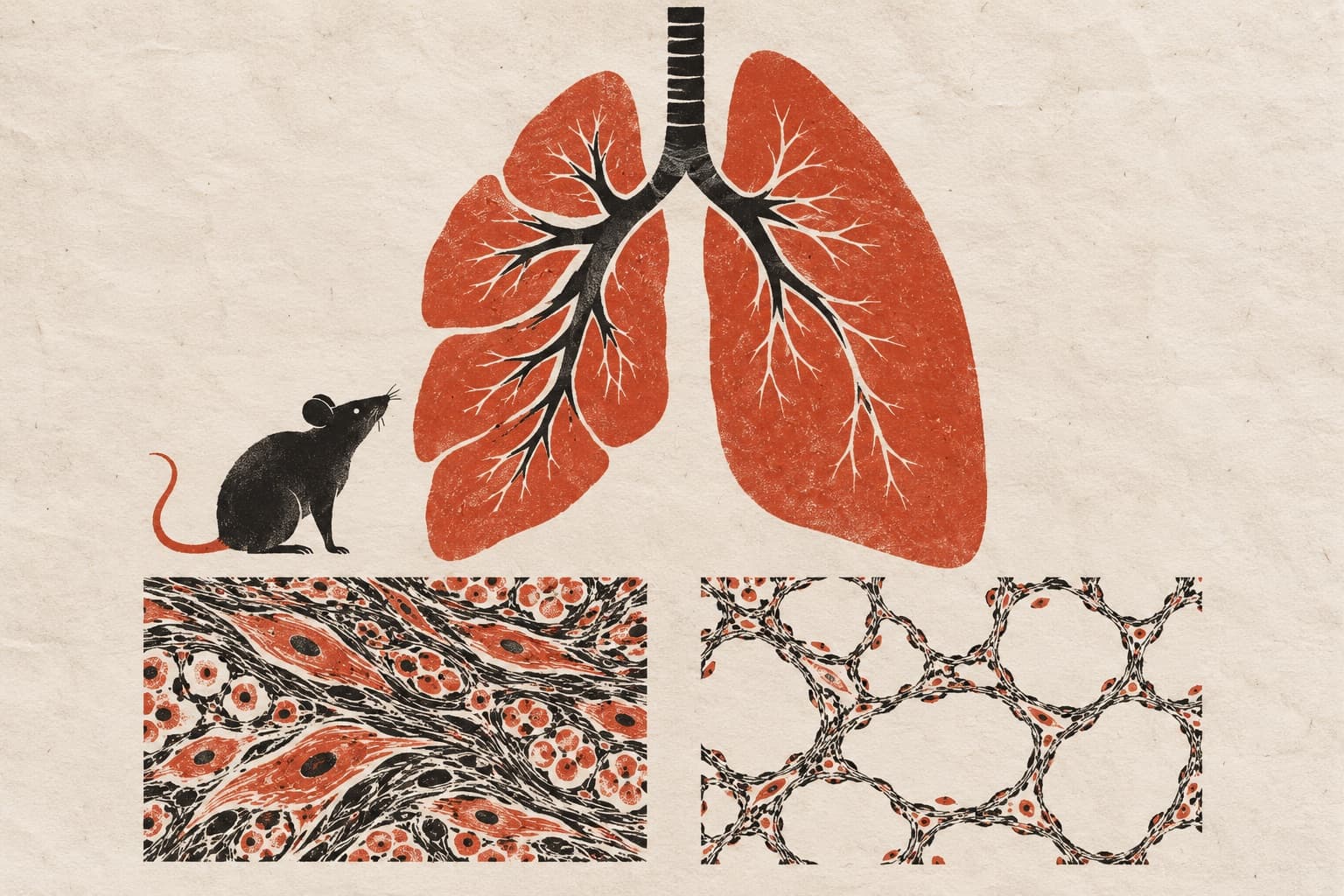
Idiopathic pulmonary fibrosis (IPF) is a kind of chronic and progressive interstitial lung disease of unclear aetiology. A key aspect of IPF is transforming growth factor-β1 (TGF-β1)-induced mitophagy dysfunction and senescence in lung fibroblasts. Mesenchyme homeobox 1 (MEOX1) is a critical transcription factor in the regulation of cell differentiation. However, the role of MEOX1 in the pathogenesis of lung fibrosis and mitophagy has not been clarified. In this study, RNA-sequencing analysis was employed to identify the differentially expressed genes in TGF-β1-treated lung fibroblasts and IPF lung tissue. In vivo, the mouse model of lung fibrosis was established by intratracheal injection of bleomycin (BLM), and fibroblast-specific knockdown of MEOX in mice was achieved by intratracheal injection of adeno-associated viruse-shMEOX1. And in vitro experiments were also carried out on human lung fibroblasts. Our results indicated that fibroblast-specific knockdown of MEOX1 protected mice from BLM-induced pulmonary fibrosis, connective tissue growth factor (CTGF) expression, and lung fibroblast activation, as well as mitophagy deficiency and senescence. In vitro, MEOX1 knockdown abolished TGF-β1-induced mitophagy deficiency by downregulating CTGF expression, thereby inhibiting senescence, over-activation and collagen production in lung fibroblasts. Furthermore, we also found that TGF-β1 upregulated the expression of MEOX1 through the NOX4-ROS-Smad pathway. In conclusion, MEOX1 knockdown may ameliorate pulmonary fibrosis by regulating mitophagy and senescence and may be a potential therapeutic target for IPF and other types of interstitial lung diseases.
The paper
Shandong University
European Journal of Pharmacology, 6 Aug 2025