Sevoflurane-induced cognitive dysfunction in aged mice mediated by HDAC8-dependent suppression of adult hippocampal neurogenesis via the pCREB/BDNF pathway
Abstract
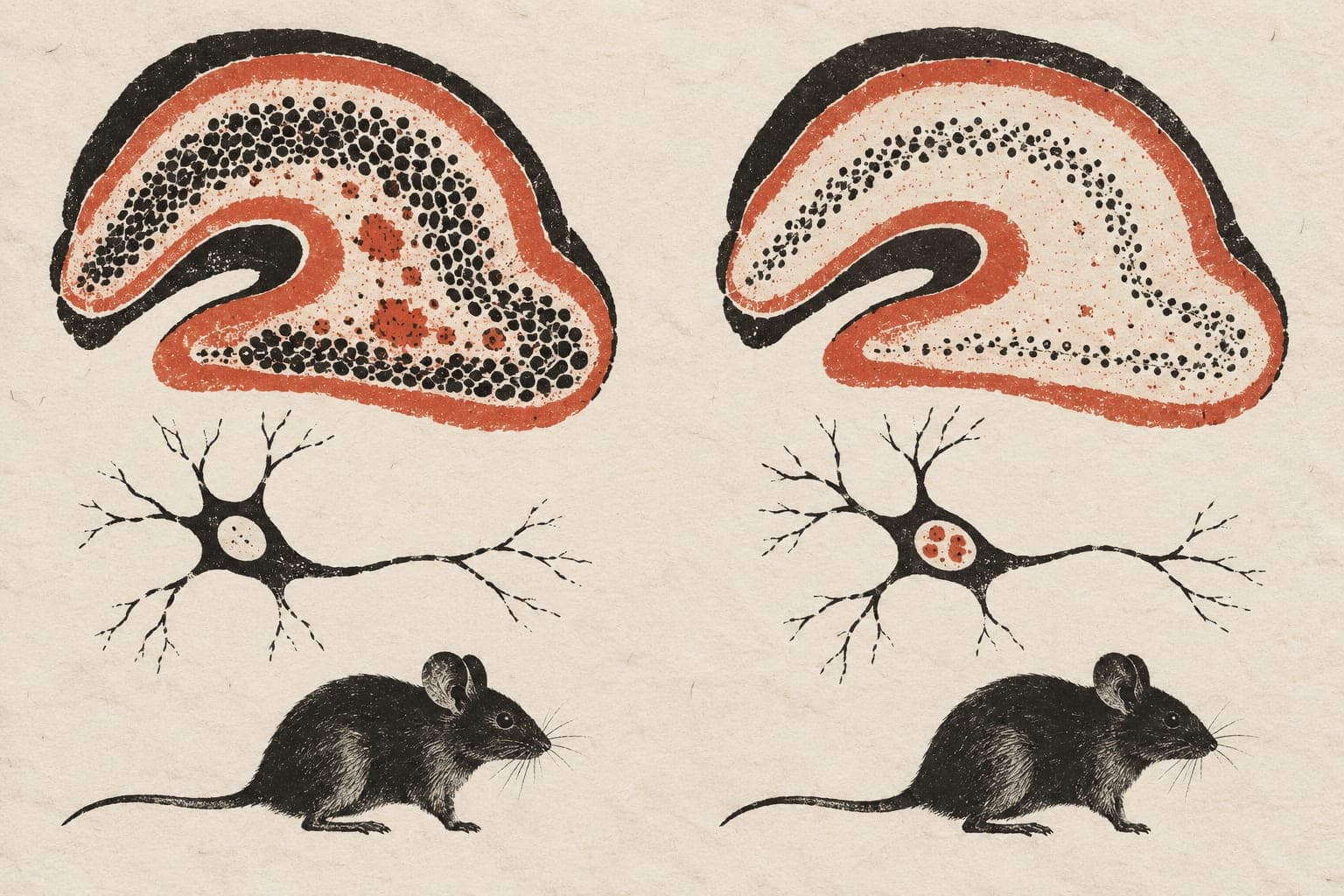
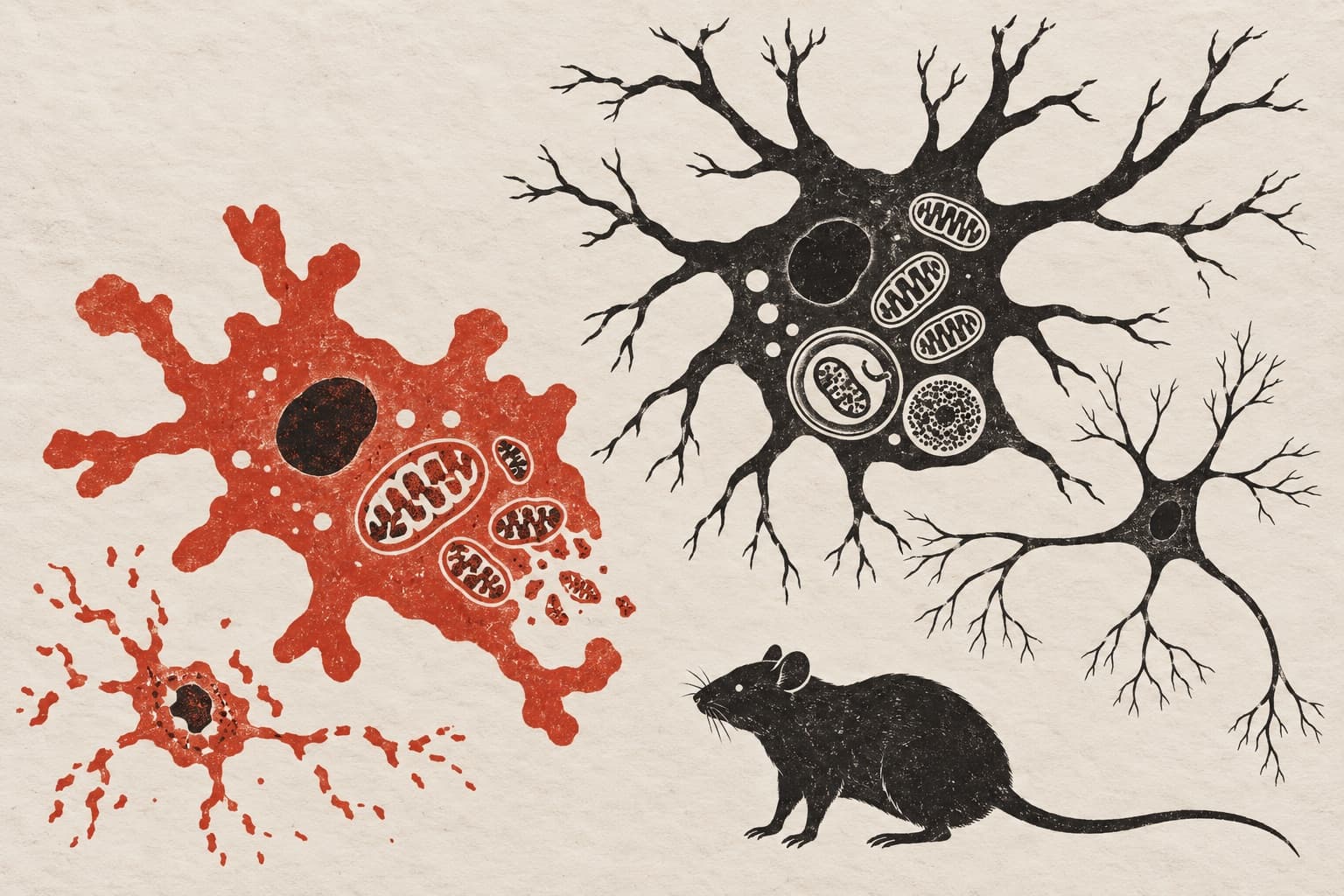
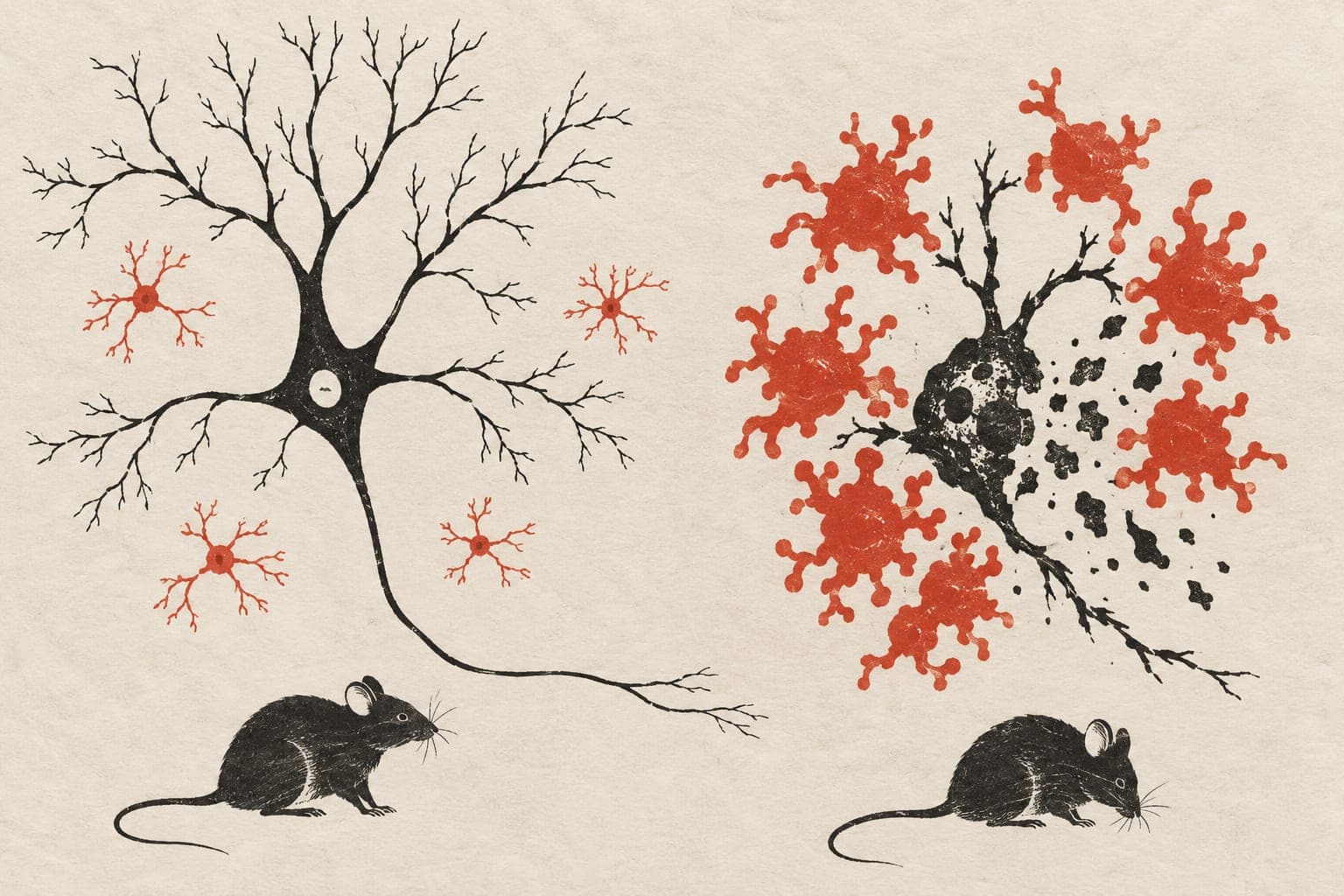
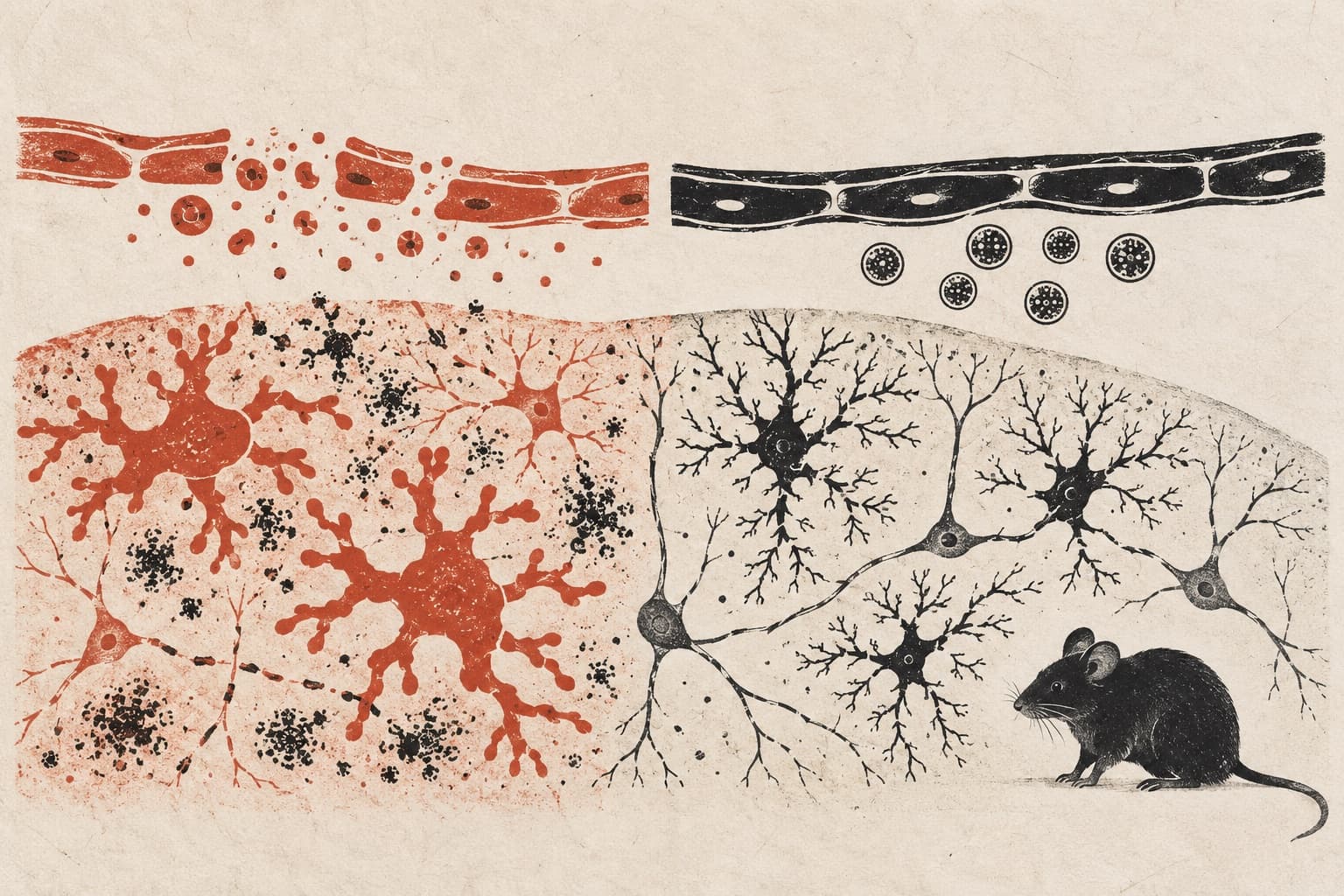
Sevoflurane is a widely used anesthetic in elderly patients and has been linked to postoperative cognitive dysfunction; however, its molecular mechanisms remain unclear. Inhibition of adult hippocampal neurogenesis (AHN) and epigenetic alterations, particularly via histone deacetylase 8 (HDAC8), have emerged as potential contributors to these deficits. Using young and aged C57BL/6 J male mice exposed to varying sevoflurane concentrations, we evaluated cognitive function and AHN. High-concentration (3 %) sevoflurane impaired both cognition and AHN in aged mice, correlating with reduced histone acetylation, increased HDAC8 expression, and diminished pCREB/BDNF signaling. Notably, HDAC8 inhibition with PCI-34051 or direct BDNF administration reversed these effects, while HDAC8 overexpression recapitulated the deficits. These findings suggest that HDAC8 upregulation is a key mediator of sevoflurane-induced cognitive decline via AHN suppression, highlighting a promising therapeutic target for anesthesia-related neurotoxicity.
The paper
Shandong University
Brain Research Bulletin, 5 Aug 2025