The states of senescent cells
Abstract
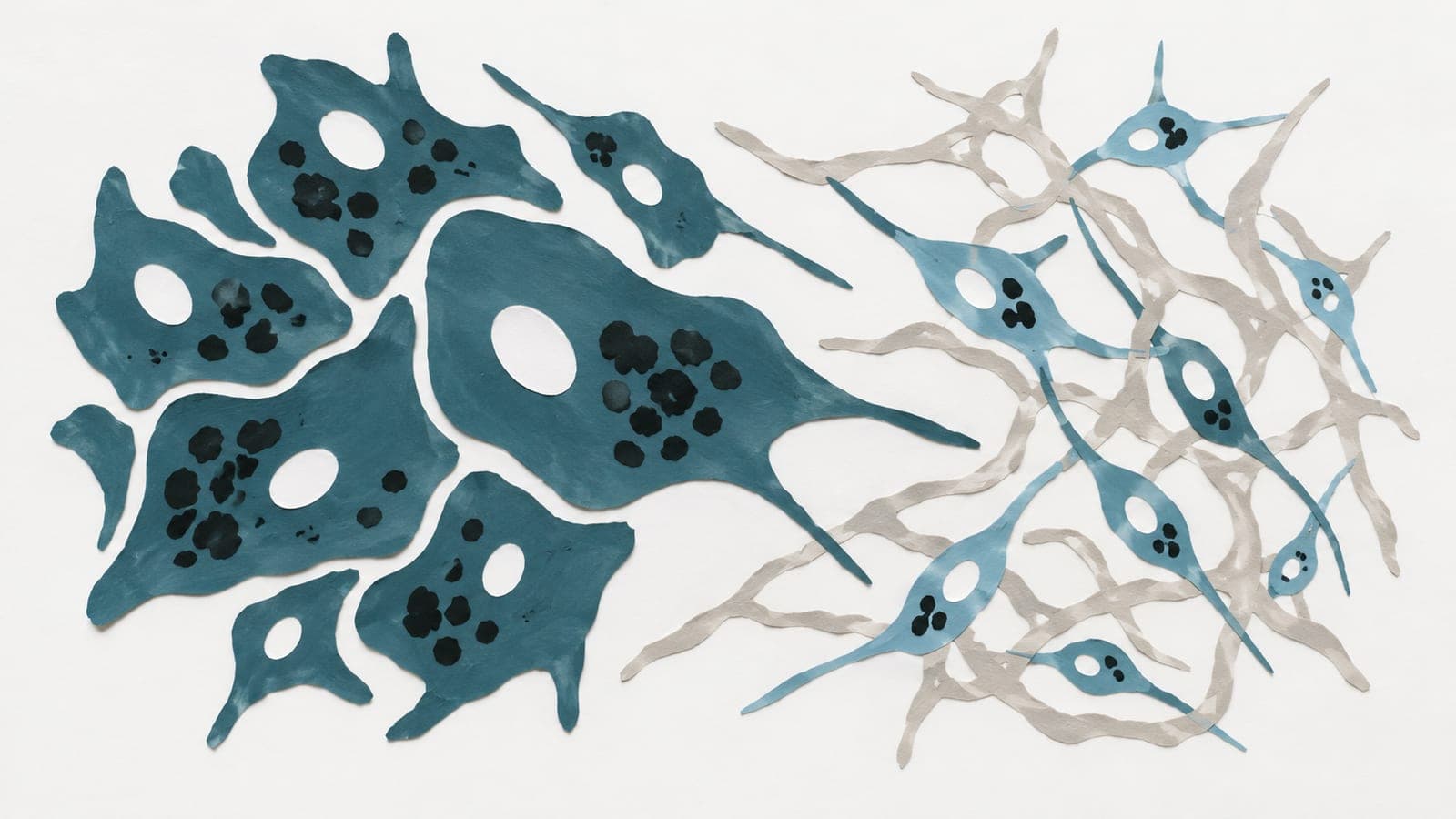
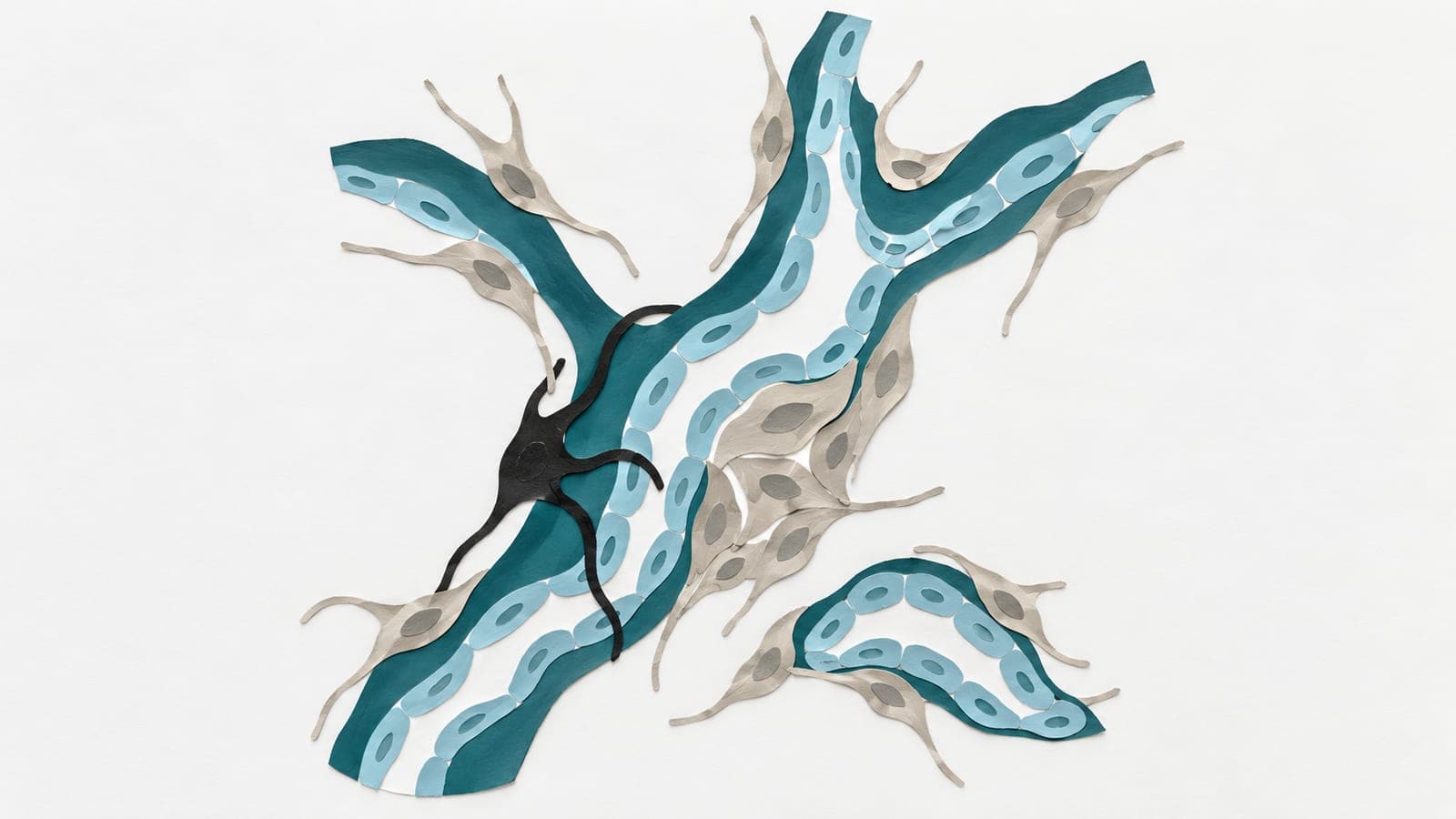
Senescent cells (SnCs) have typical changes in multiple features, such as increased cellular and nuclear size, morphofunctional alterations in organelles, and high secretory activity. The literature generally groups cellular changes and the non-proliferative character of SnCs into the autonomous senescent phenotype. In contrast, the influence of molecules and extracellular vesicles secreted by SnCs characterizes their non-autonomous phenotype. Unlike the detailed characterization of the structure of SnCs, the discussion regarding SnC states, which are characterized by the comprehensive integration of multiple features a cell harbors in a given moment, is still incipient. This review discusses the possible SnC states (SenStates) and their influence in pathophysiological contexts. We also discuss the main mechanisms and molecular players involved in the establishment and dynamics of these states, such as transcription factors, epigenetic marks, chromatin structure, and others. Finally, we discuss the biological relevance and potential clinical applications of SenStates, as well as open questions in the field.
The paper
Universidade Federal do Rio Grande do Sul
Biochemical Society Transactions, 4 Aug 2025