Age and sex differences in cerebral hemodynamics in the presence of microvascular flow disturbances
Abstract
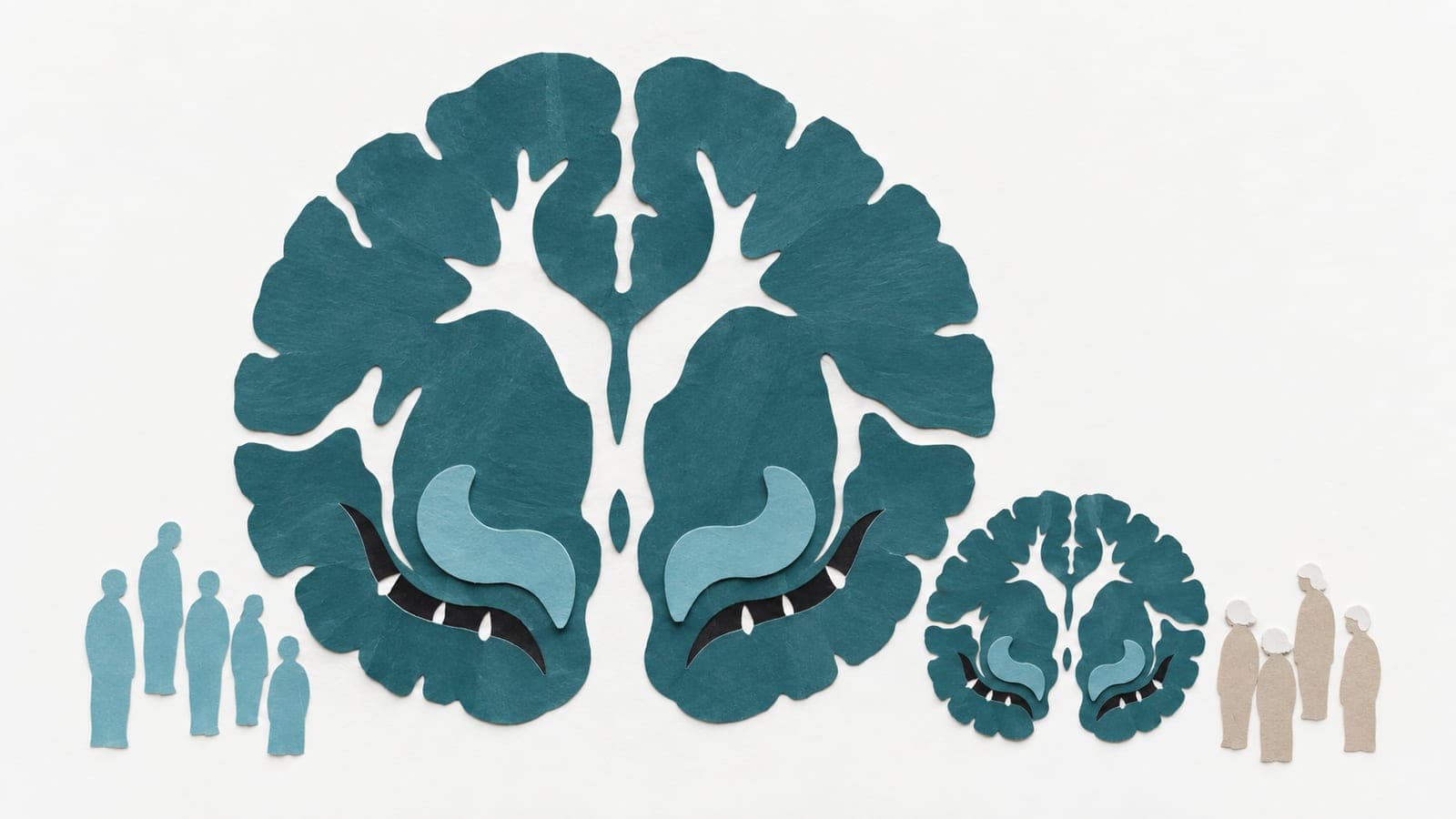
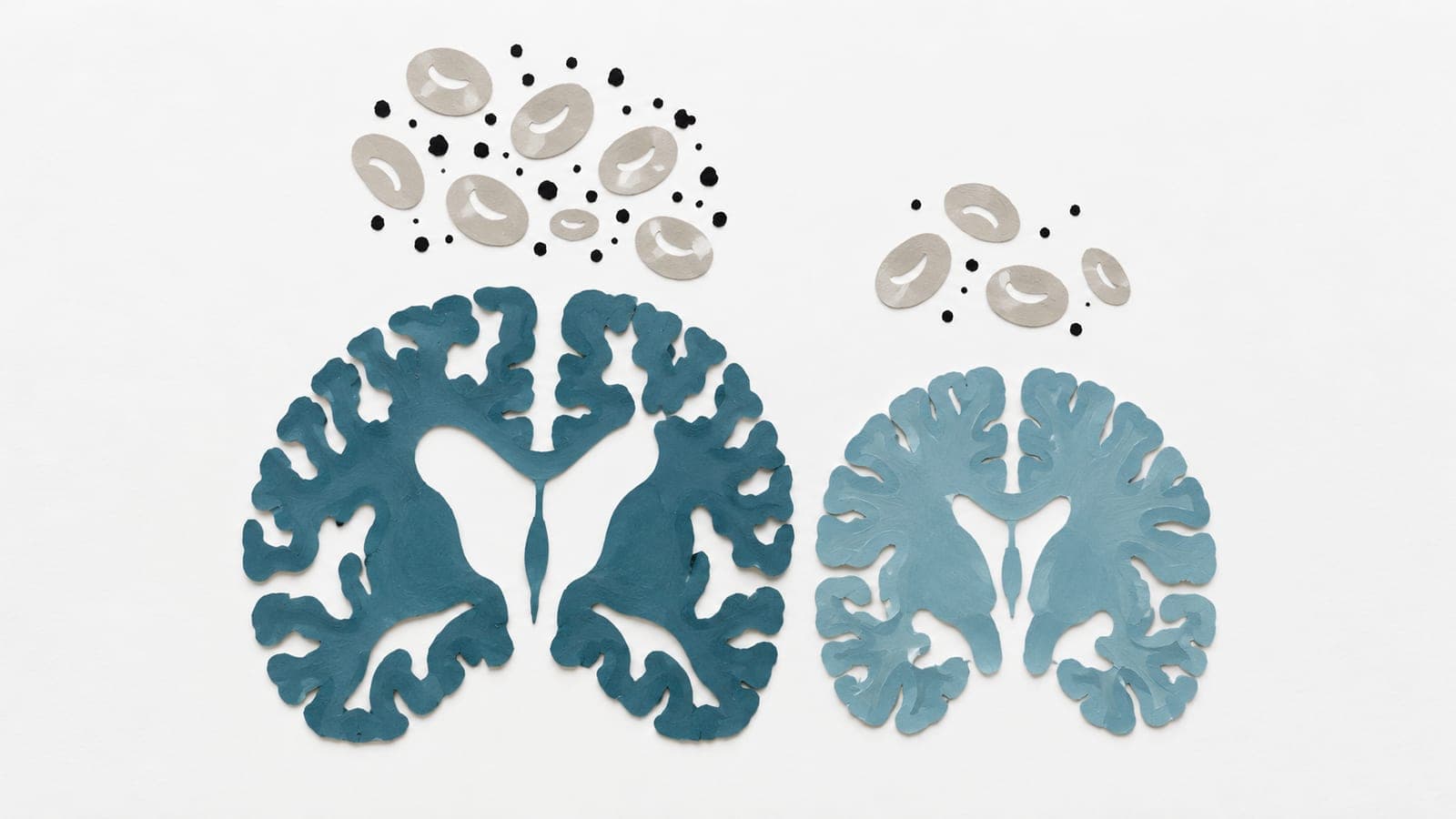
Poor cerebrovascular health has been linked to higher white matter lesion burden and cognitive decline in aging. Venous hyperintense signal (VHS) in arterial spin labeling (ASL) magnetic resonance imaging (MRI) has been characterized as a radiological marker of microvascular flow disturbances in the brain and reduced oxygen extraction efficiency in older adults and might represent a beneficial tool for assessing cerebrovascular health. Here, we measured cerebral blood flow (CBF) and arterial transit time (ATT) in subcortical gray matter (GM), cortical GM, and global GM using ASL MRI. We investigated whether there are differences in the relationships with age of CBF and ATT in these regions based on VHS presence (VHS+) or absence (VHS-) in participants aged 36-100 years old (n = 75). We also assessed whether these relationships may differ based on biological sex. We found that VHS+ participants were, on average, older than VHS- participants (p < 0.01). Subcortical GM ATT was less strongly correlated with age in VHS+ compared to VHS- participants (p = 0.048), and this effect was different between VHS+ males and females (p = 0.05). Our results indicate that VHS presence in the cerebral dural venous sinuses could represent an early marker of altered cerebral hemodynamics in aging.
The paper
Duke University; Massachusetts General Hospital
Magnetic Resonance Imaging, 4 Aug 2025