Microcystin-LR facilitates pubertal bone retardation by interfering with glutamine metabolism to accelerate stem cell senescence through Hippo/GLS pathway
Abstract
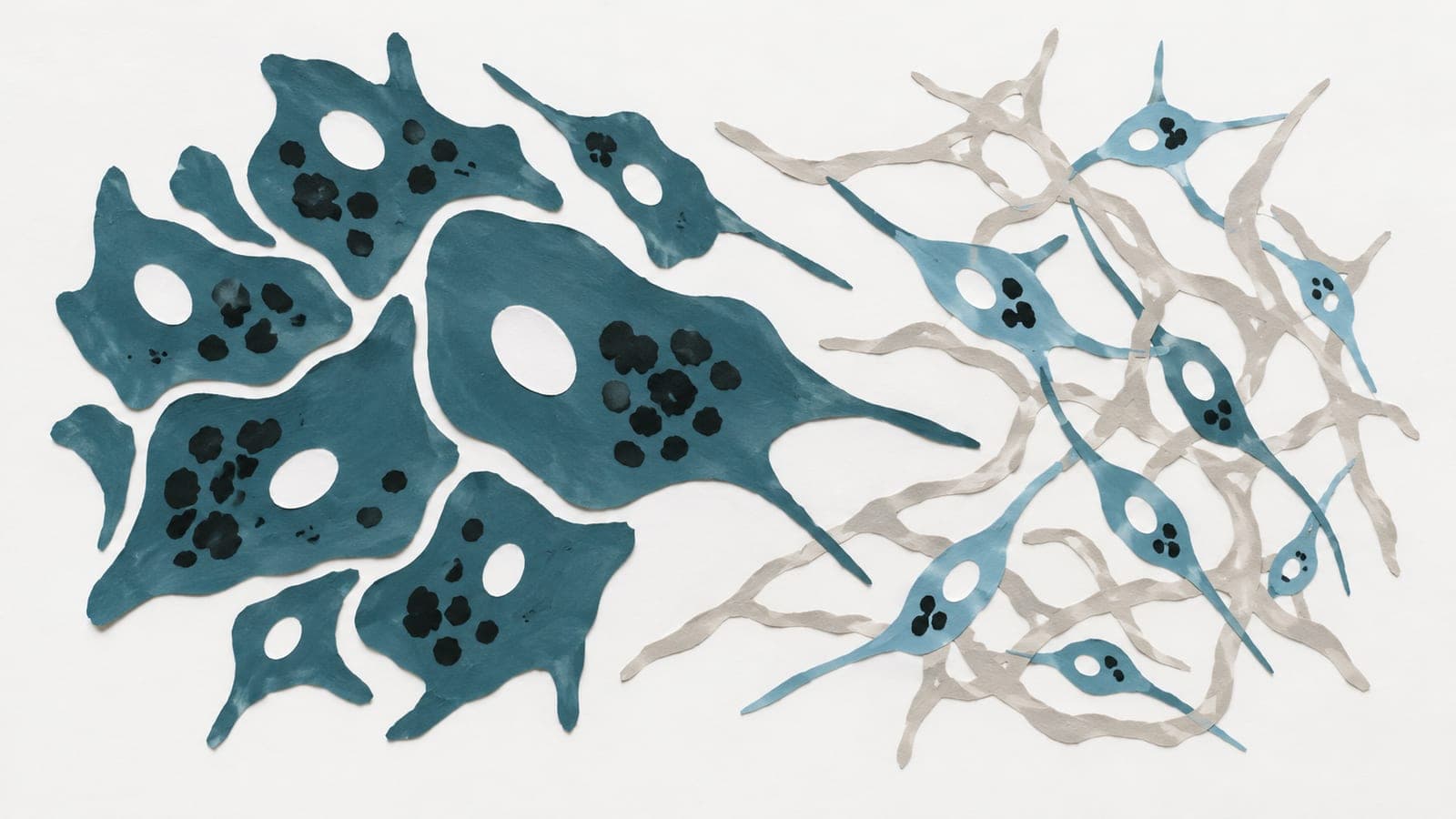
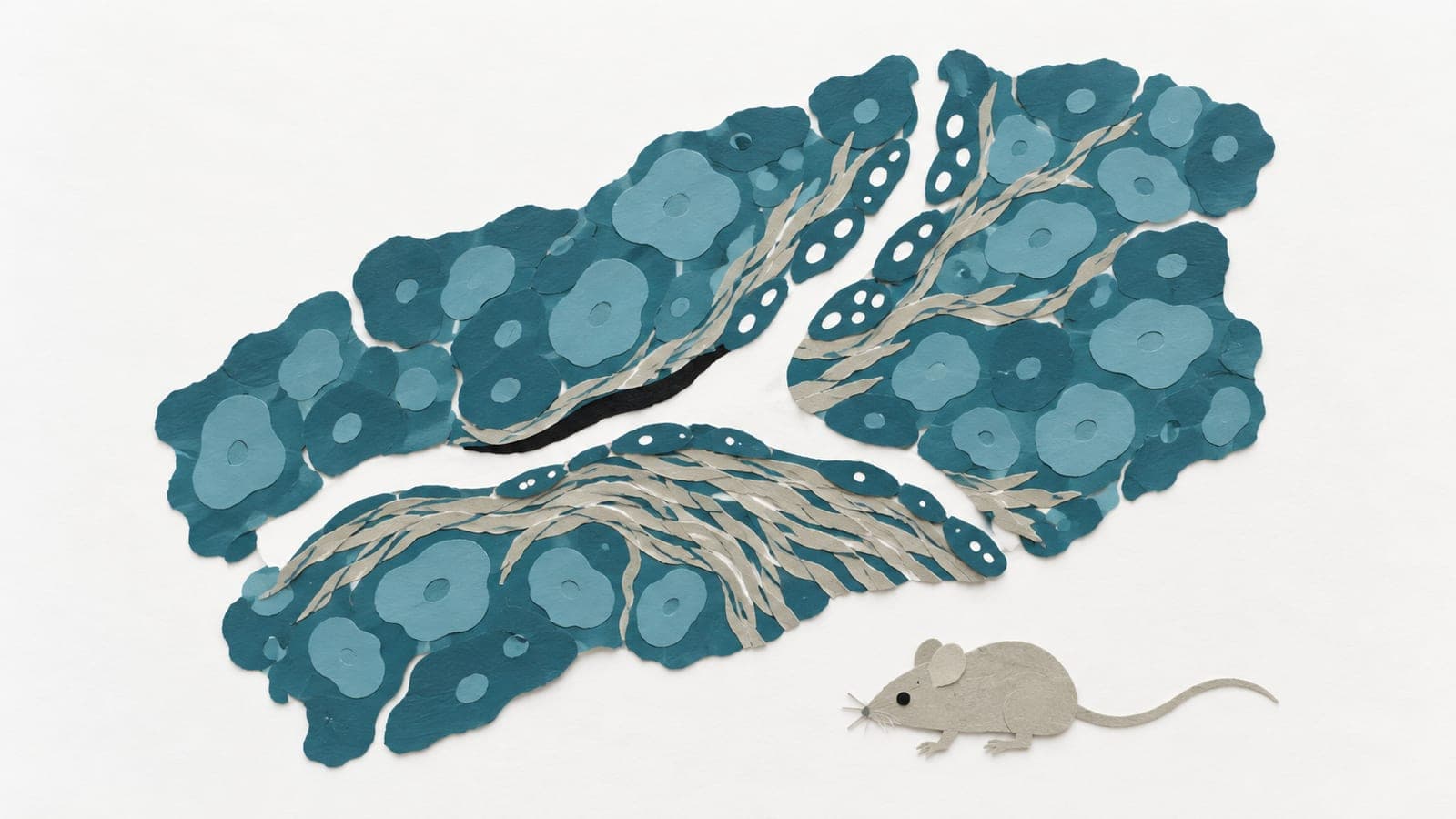
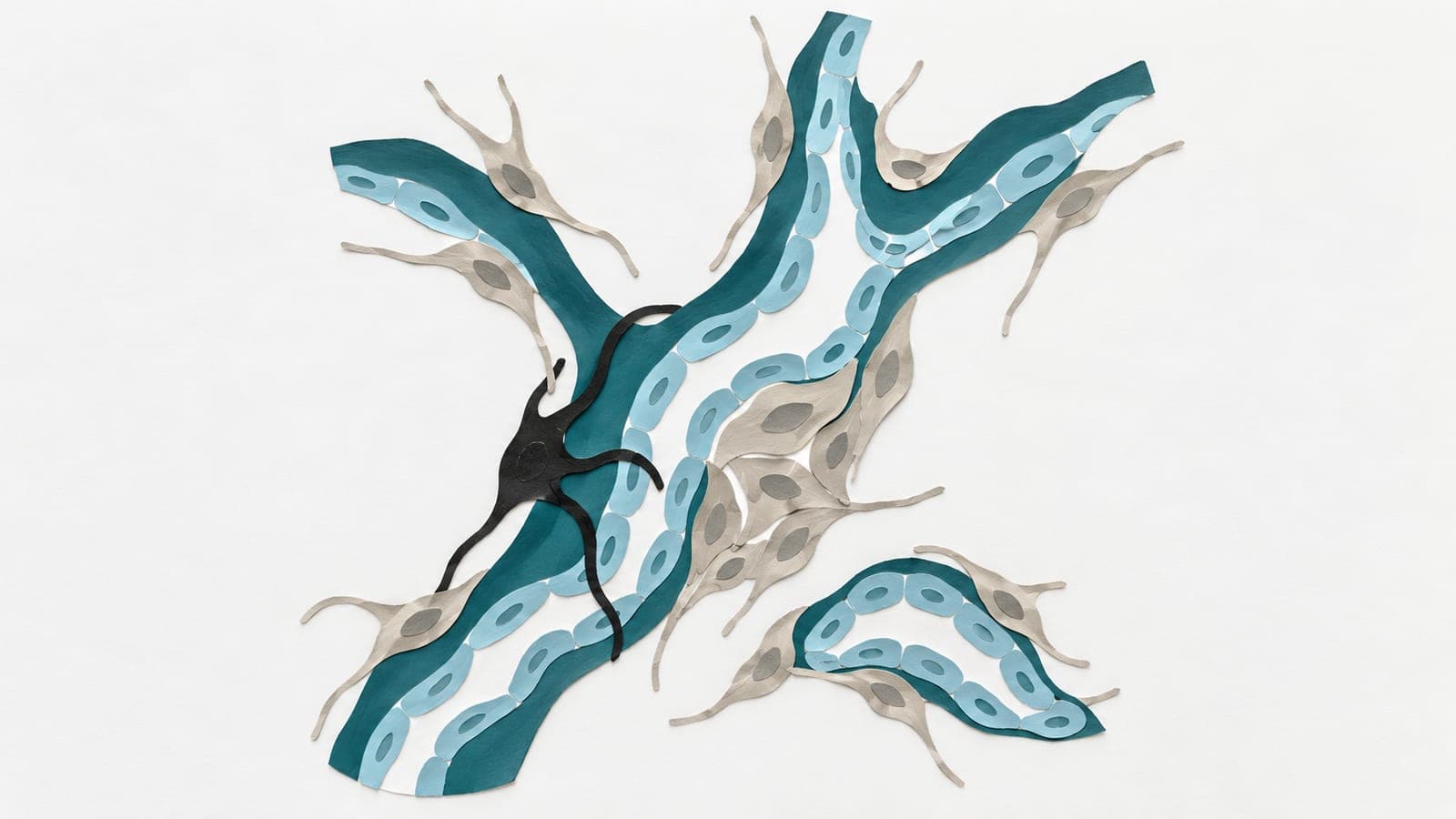
Microcystin-leucine-arginine (MC-LR) is a natural toxin produced by freshwater cyanobacteria that can cause pubertal growth retardation. As bone tissues are the supporting organ of the body, it remains unknown whether MC-LR interferes with adolescent growth and development by targeting bone tissue. In the present study, MC-LR accumulated in bones and caused increased loss of trabecular bone and incomplete bone microstructure, leading to bone retardation in adolescent mice. Moreover, the accumulation of reactive oxygen species (ROS) in the bone marrow cavity of MC-LR-treated femurs led to the presence of massive numbers of senescent bone marrow mesenchymal stem cells (BMSCs), which was responsible for enhanced adipogenic differentiation of BMSCs rather than osteogenic differentiation. MC-LR-treated BMSCs presented an obvious decrease in the expression of glutaminase (GLS), a key gene for glutamine metabolism, accompanied by a decrease in glutamate content and GSH synthesis, which was the main cause of ROS accumulation. Activation of GLS reversed MC-LR-induced BMSCs senescence by promoting glutamine metabolism and reducing ROS release. Moreover, transcriptome sequencing data from BMSCs exposed to MC-LR indicated that the Hippo pathway was enriched, and endogenous levels of Yes-associated protein (YAP) were markedly decreased under MC-LR exposure. The overexpression of YAP promoted GLS transcription by facilitating its promoter, which then reversed MC-LR-induced disturbance of glutamine metabolism and BMSCs senescence. After MC-LR exposure, decreased protein phosphatase 2A (PP2A) activity can activate the Hippo pathway. These findings suggest that MC-LR binds to and inhibits PP2A activity, causes activation of the Hippo pathway, blocks GLS-mediated glutamine metabolism, and accelerates BMSCs senescence, which is the key to delaying MC-LR-induced adolescent bone development retardation.
The paper
Northern Jiangsu People's Hospital
Environmental Pollution, 2 Aug 2025