Age-related increased frontal activation in sentence comprehension reflects inefficiency, not compensation
Abstract
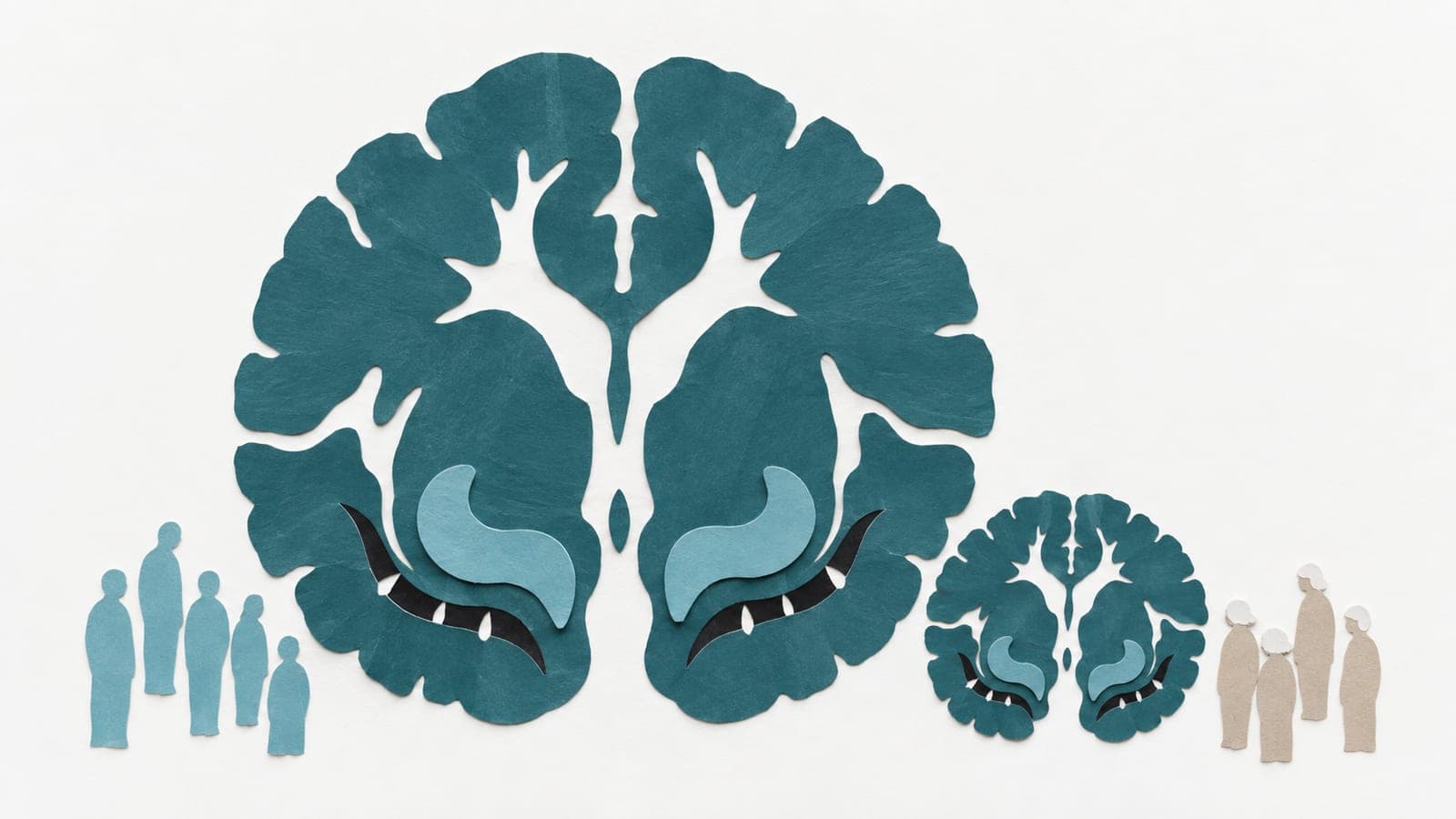
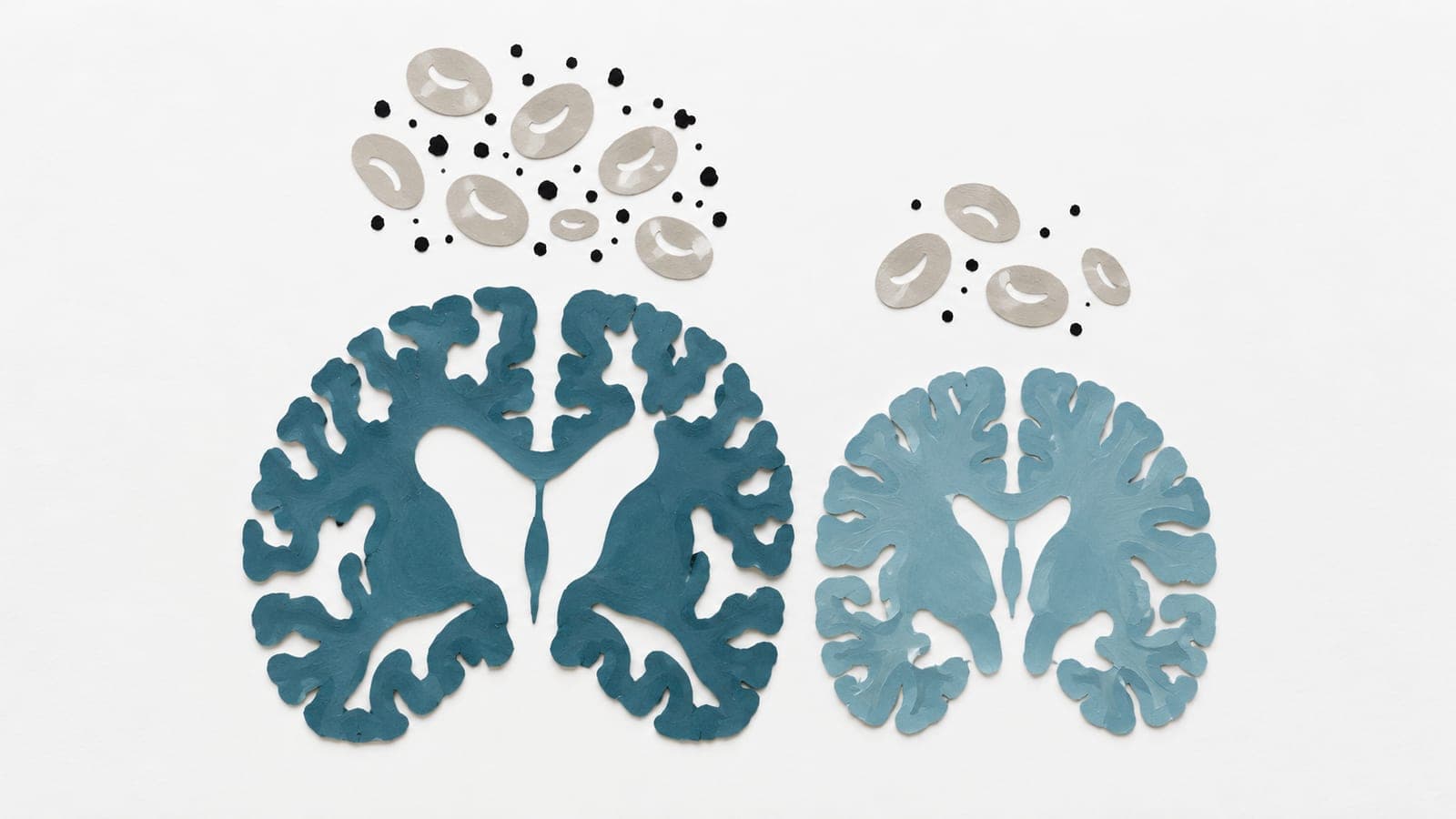
Cognitive aging is associated with increased prefrontal cortex (PFC) activity, often interpreted as either a compensatory mechanism or a sign of neural inefficiency. In the context of speech-in-noise perception, it remains unclear whether this increase supports or impairs performance, as findings across studies are mixed. This study investigated age-related differences in PFC activity during sentence comprehension in noise using functional near-infrared spectroscopy. Fifty-seven participants (22 younger adults, 35 older adults) listened to sentences ending in either a high- or low-predictability word under two signal-to-noise ratio (SNR) conditions. Older adults showed increased PFC activity as SNR decreased, whereas younger adults showed no significant modulation. Among older adults, lower performers exhibited the greatest right-lateralized PFC activity, suggesting the recruitment of suboptimal neural resources. At the trial level, incorrect responses were associated with greater bilateral PFC activity in both age groups. Mediation analyses revealed that the negative effect of age on performance was partially explained by increased bilateral PFC activity, indicating that overactivation contributes to age-related speech-in-noise difficulties. Hearing loss and cognitive ability did not predict overall PFC activity but moderated the effect of SNR on PFC activity. Specifically, older adults with better hearing or higher cognitive scores showed increased PFC activity in the difficult SNR condition compared to the easier one, whereas those with more hearing loss or lower cognition showed similar activity across conditions. No effects of sentence predictability were observed. These findings support a neural inefficiency framework and highlight the importance of addressing PFC overactivation to improve speech-in-noise communication in older adults.
The paper
Toronto Metropolitan University; University of Toronto
Neurobiology of Aging, 24 Jul 2025