SARM1 Exacerbates Pressure Overload-Induced Cardiac Hypertrophy and Heart Failure by Enhancing NAD⁺ Metabolism
Abstract
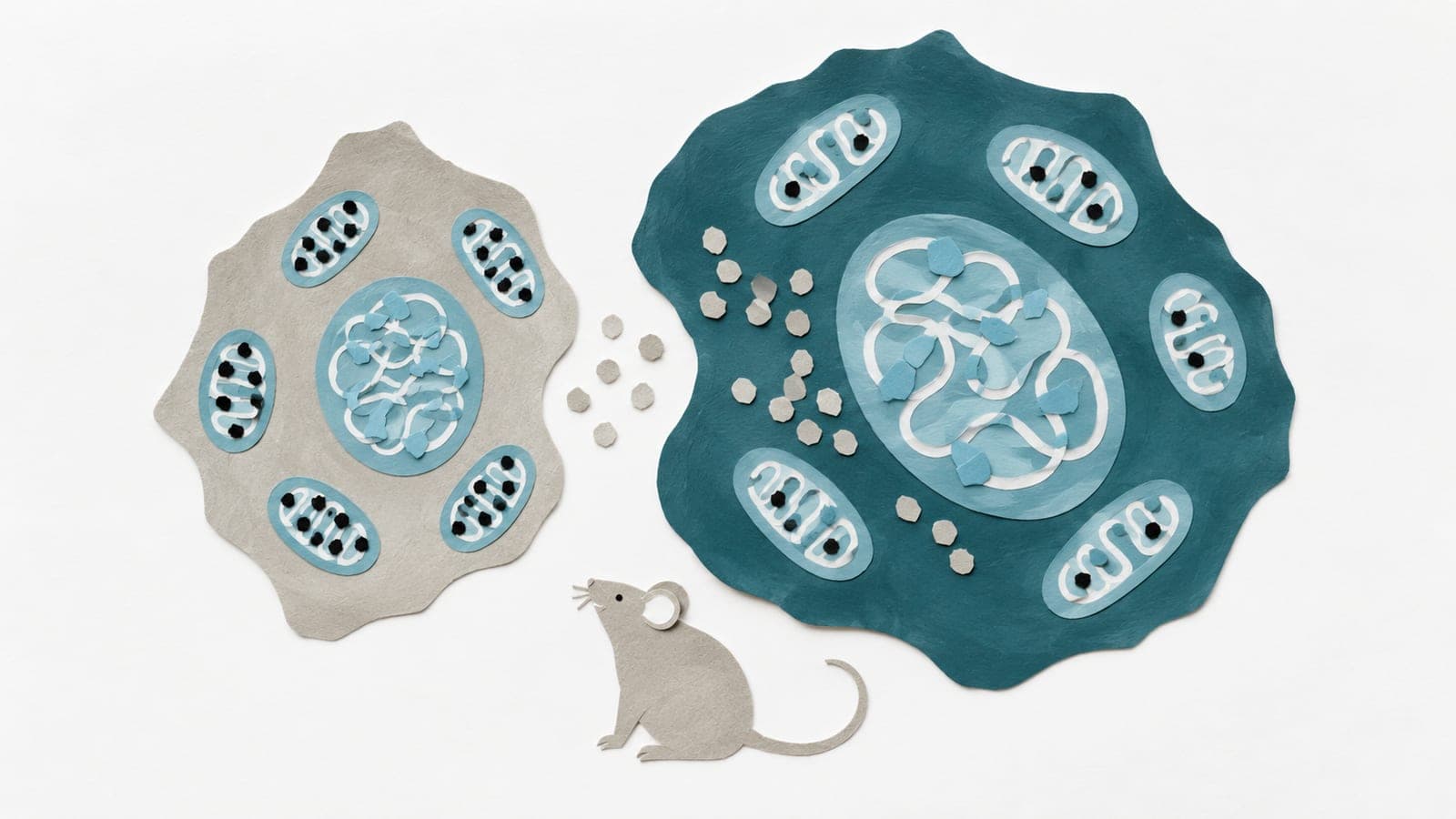
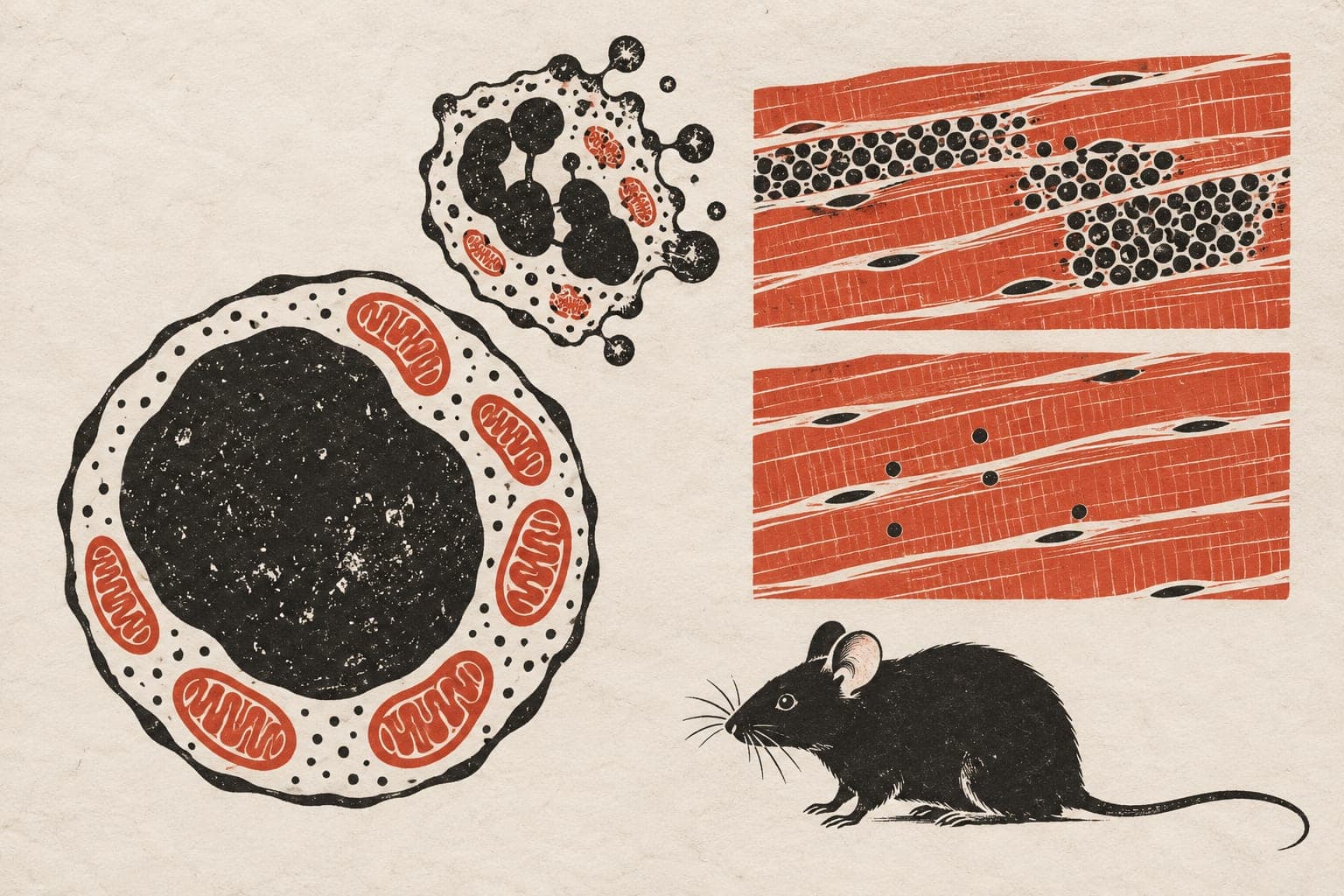
Heart failure (HF) represents the terminal phase in the progression of numerous clinical conditions, with high mortality and significant economic impact. Nicotinamide adenine dinucleotide (NAD⁺) is a crucial cofactor in HF pathogenesis. Sterile alpha and TIR motifs of 1 (SARM1) is an intracellular NAD⁺ hydrolase that plays a well-defined role in axonal degeneration and neuronal injury, but its role in HF is unclear. Consequently, our study sought to elucidate the role of SARM1 in the context of HF. We generated in vivo and in vitro HF models using transverse aortic constriction in mice and phenylephrine stimulation of neonatal rat cardiomyocytes (NRCMs) to study the effects of Sarm1 gene deletion and SARM1 overexpression. Our findings revealed a significant increase in SARM1 expression in HF and demonstrated that SARM1 suppression could mitigate adverse cardiac remodeling and dysfunction, whereas overexpression of SARM1 had the opposite effects. Subsequent investigations indicated that SARM1 functions in reducing cardiac NAD⁺ levels, impairing mitochondrial bioenergetics, and exacerbating HF progression. Conversely, supplementation with nicotinamide mononucleotide (NMN) ameliorated hypertrophy in NRCMs overexpressing SARM1 following phenylephrine induction. SARM1 is a key factor in HF by reducing intracellular NAD⁺ levels, making it a potential target for HF therapy.