Epigenetic age is associated with regional brain aging along the sensorimotor-to-association axis of cortical organization
Abstract
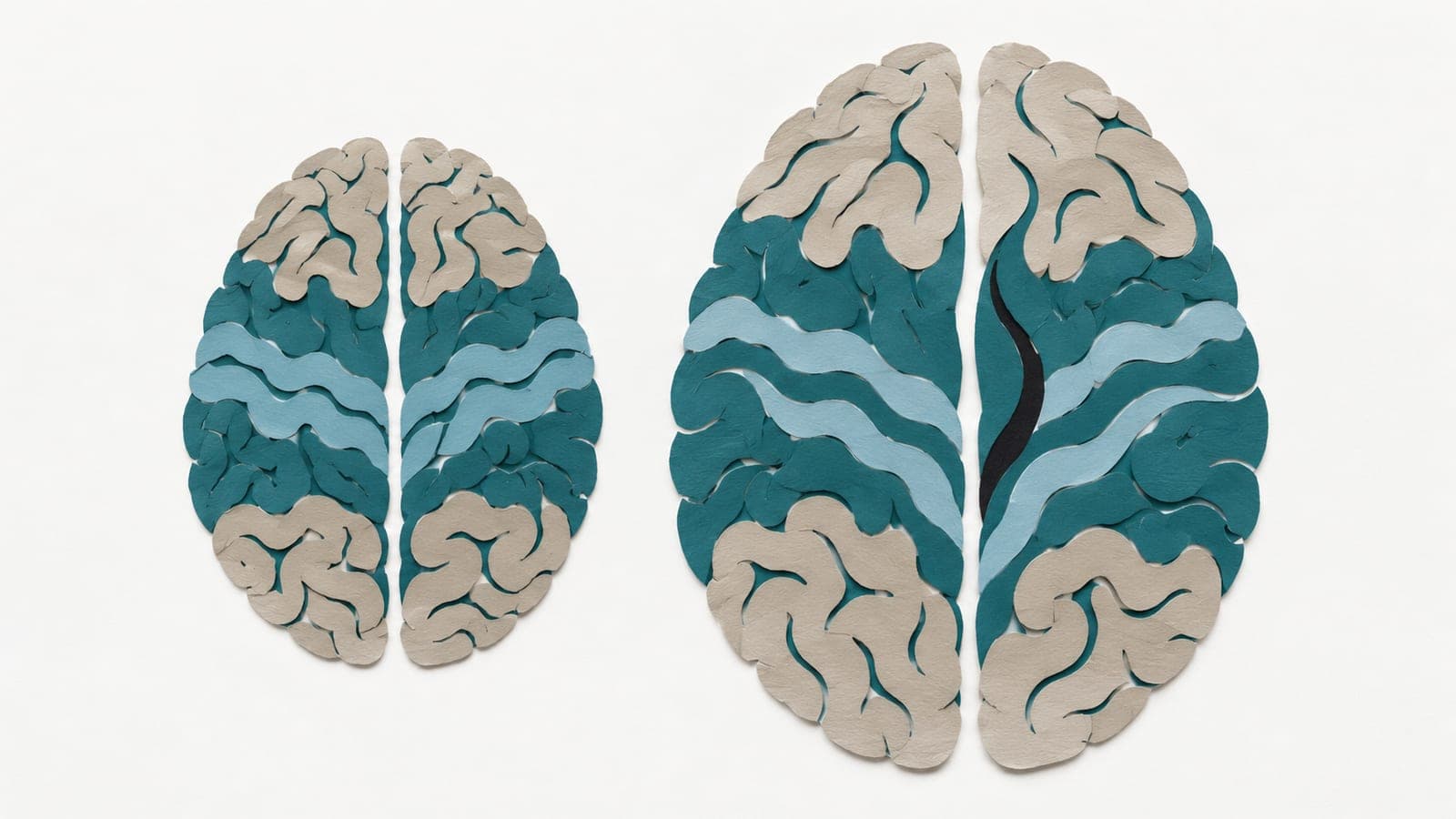
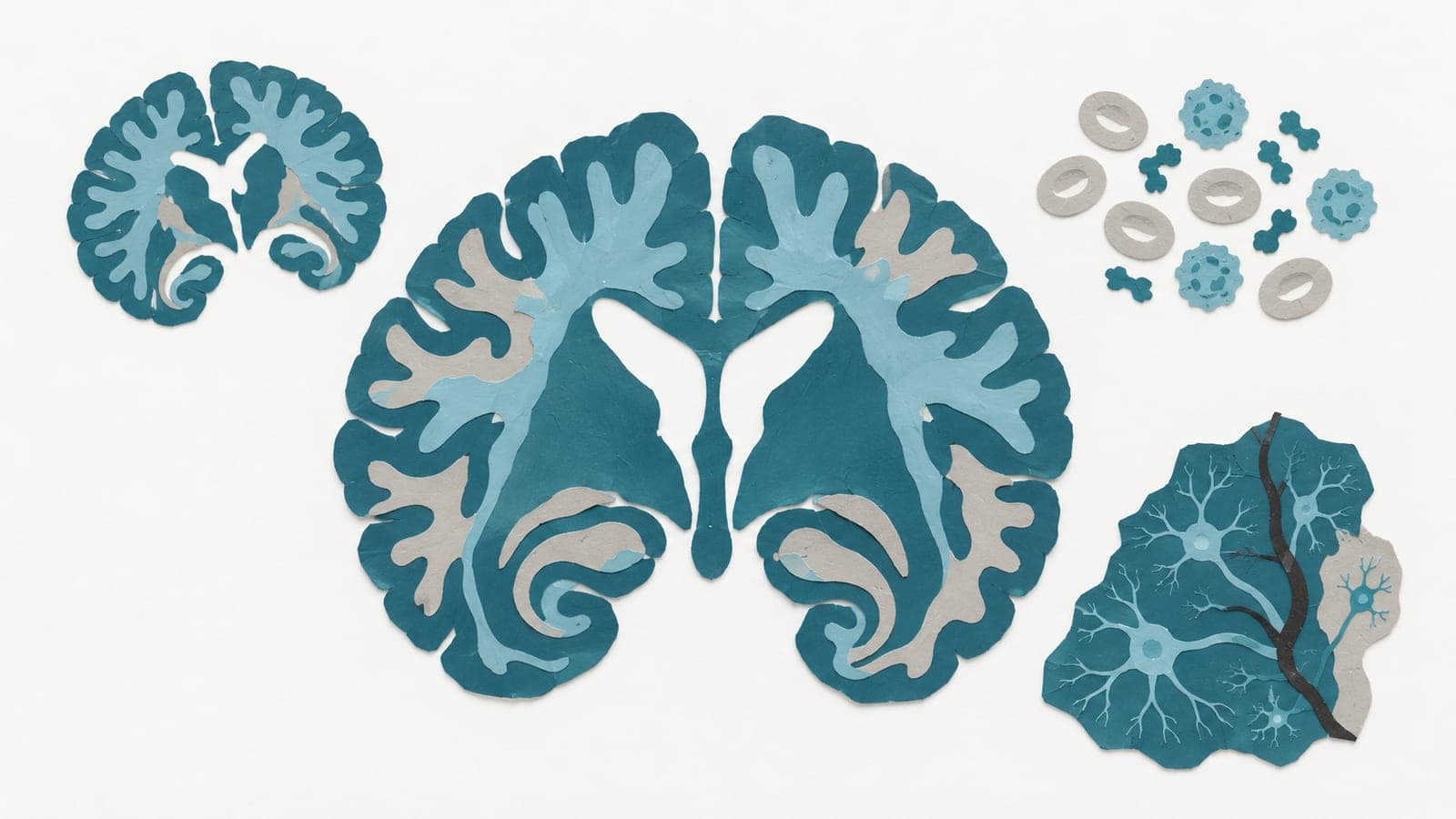
Brain age and epigenetic age (DNAmAge) are 'biological clocks' independently linked to health outcomes. However, the relationship between brain and epigenetic age remains unclear. We used path analysis to investigate relationships between chronological age, DNAmAge, and brain age and explored whether advanced aging in specific brain regions relates to DNAmAge. BrainAge (global and regional) was estimated from brain MRI in 149 participants (ages 20-80). From whole blood, four DNAmAges were calculated: Pheno, Hannum, Horvath, and SkinBlood. Mediation was used to test the indirect effect of DNAmAge on global BrainAge, as well as the reverse, with chronological age as the independent variable. Correlations between accelerated region-specific BrainAge and DNAmAge were also examined. DNAmPhenoAge mediated the relationship between chronological age and global BrainAge. DNAmPhenoAge was related to advanced BrainAge of regions higher on the sensorimotor-to-association axis of cortical organization (F(1104) = 17.5, R² = .15, p < .001). DNAmPhenoAge age may uniquely capture cellular aging processes that are related to brain health across the adult lifespan. Region-based results suggest that biological aging in higher-order association cortices is related to epigenetic aging.
The paper
University of South Carolina
Neurobiology of Aging, 8 Jul 2025