Association between red blood cell folate and accelerated aging in American adults: a cross-sectional study from the national health and nutrition examination survey
Abstract
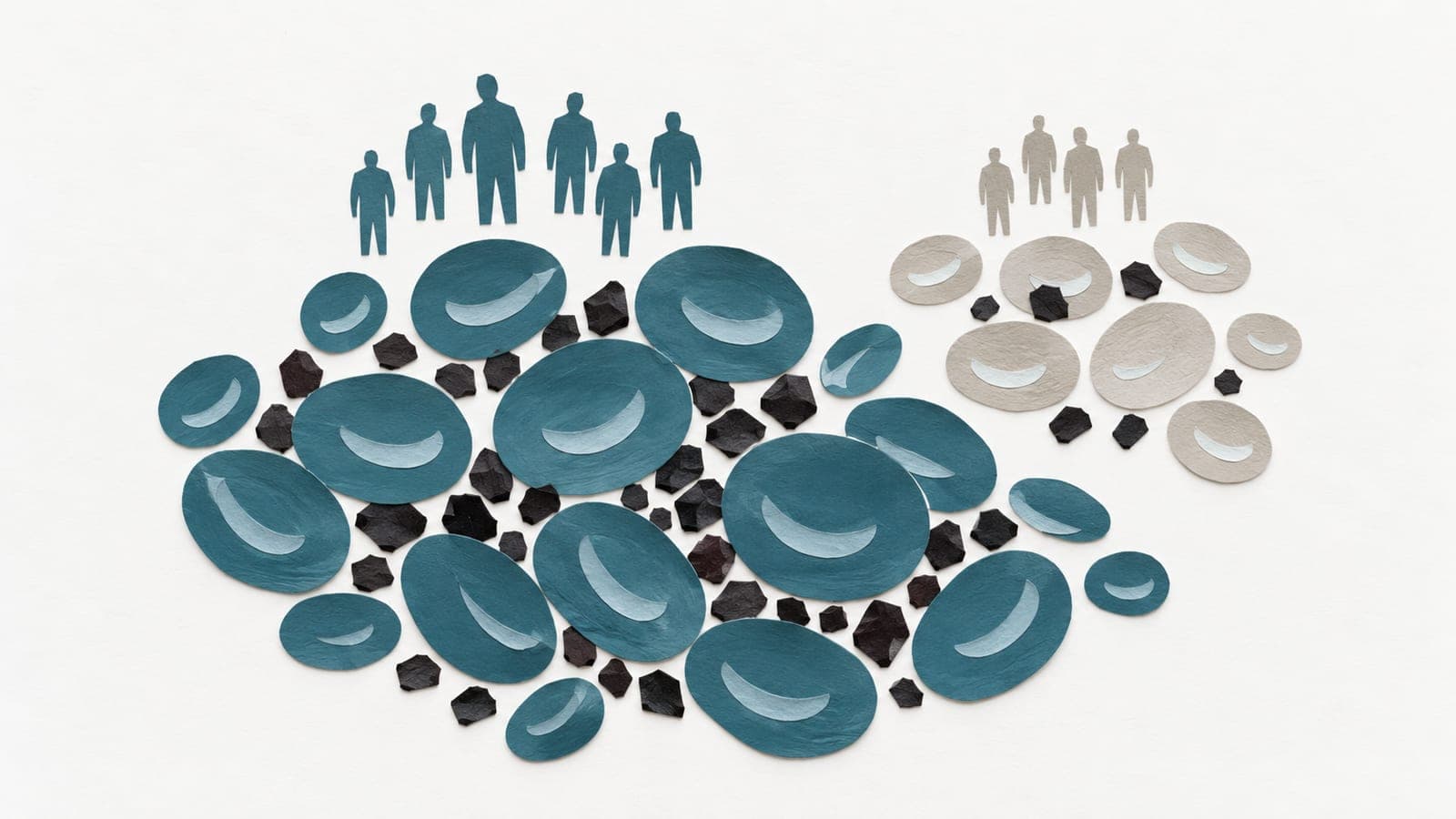
OBJECTIVE: The study aims to explore the relationship between red blood cell (RBC) folate concentrations and accelerated aging. METHODS: Data were derived from the National Health and Nutrition Examination Survey (NHANES) cycles of 2007-2010, including 8,944 participants aged ≥ 20 years. Phenotypic age acceleration (PhenoAgeAccel) was calculated using chronological age and 9 aging-related biomarkers. Multivariate linear regression and generalized additive models were used to analyze the relationship between RBC folate levels and PhenoAgeAccel. Smooth curve fitting was used to explore the potential non-linear relationship and threshold effect analysis was applied to examine inflection point. RESULTS: The analysis revealed a U-shaped relationship between RBC folate levels and PhenoAgeAccel, with the inflection point at 732.9 ng/mL. The PhenoAgeAccel decreased by 0.0027 years per 1 ng/mL increase in RBC folate when RBC folate ≤ 732.9 ng/mL (β: -0.0027, 95% CI: -0.0051, -0.0002), and increased by 0.0058 years per 1 ng/mL increase in RBC folate when RBC folate > 732.9 ng/mL (β: 0.0058, 95% CI: 0.0026, 0.0090). Subgroup analysis indicated consistent associations across most demographic and health categories, except for a positive correlation in participants with cardiovascular diseases. CONCLUSION: There was a U-shaped association between RBC folate and accelerated aging among US adults.
The paper
Nanjing University of Chinese Medicine
Frontiers in Nutrition, 19 Jun 2025