Exercise in the Prevention of Age-Related Fragility Fractures (Narrative Review)
Abstract
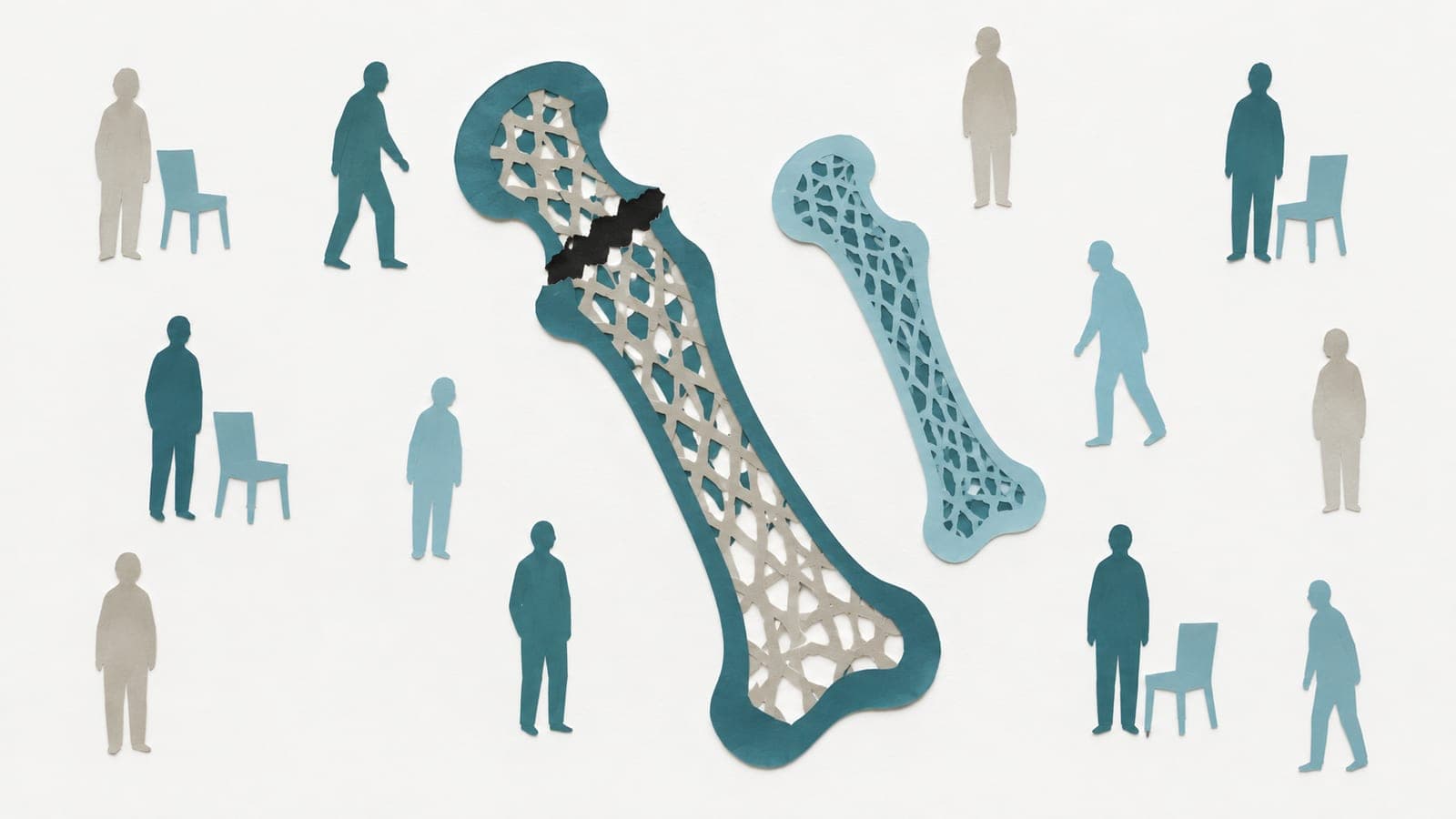
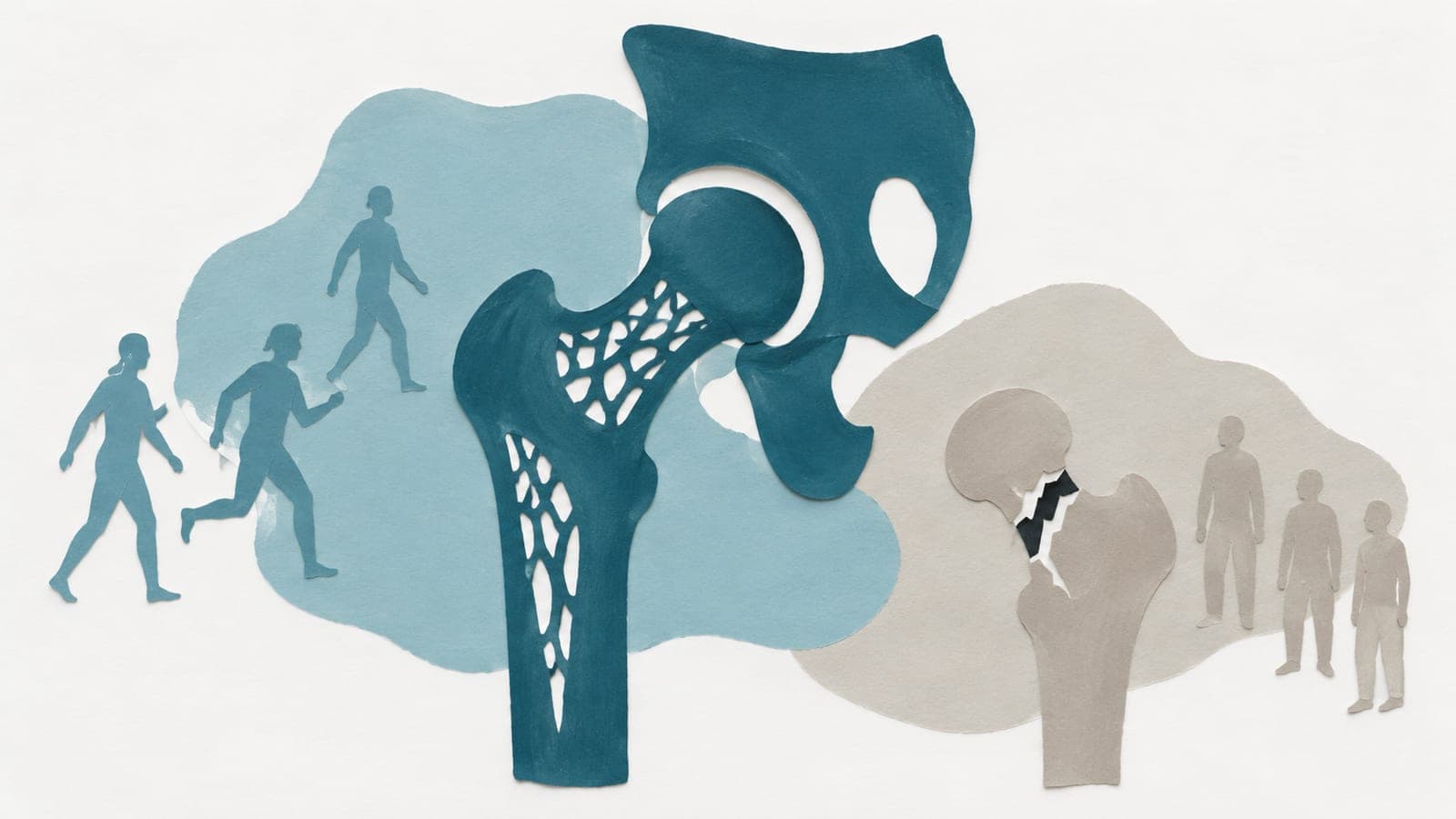
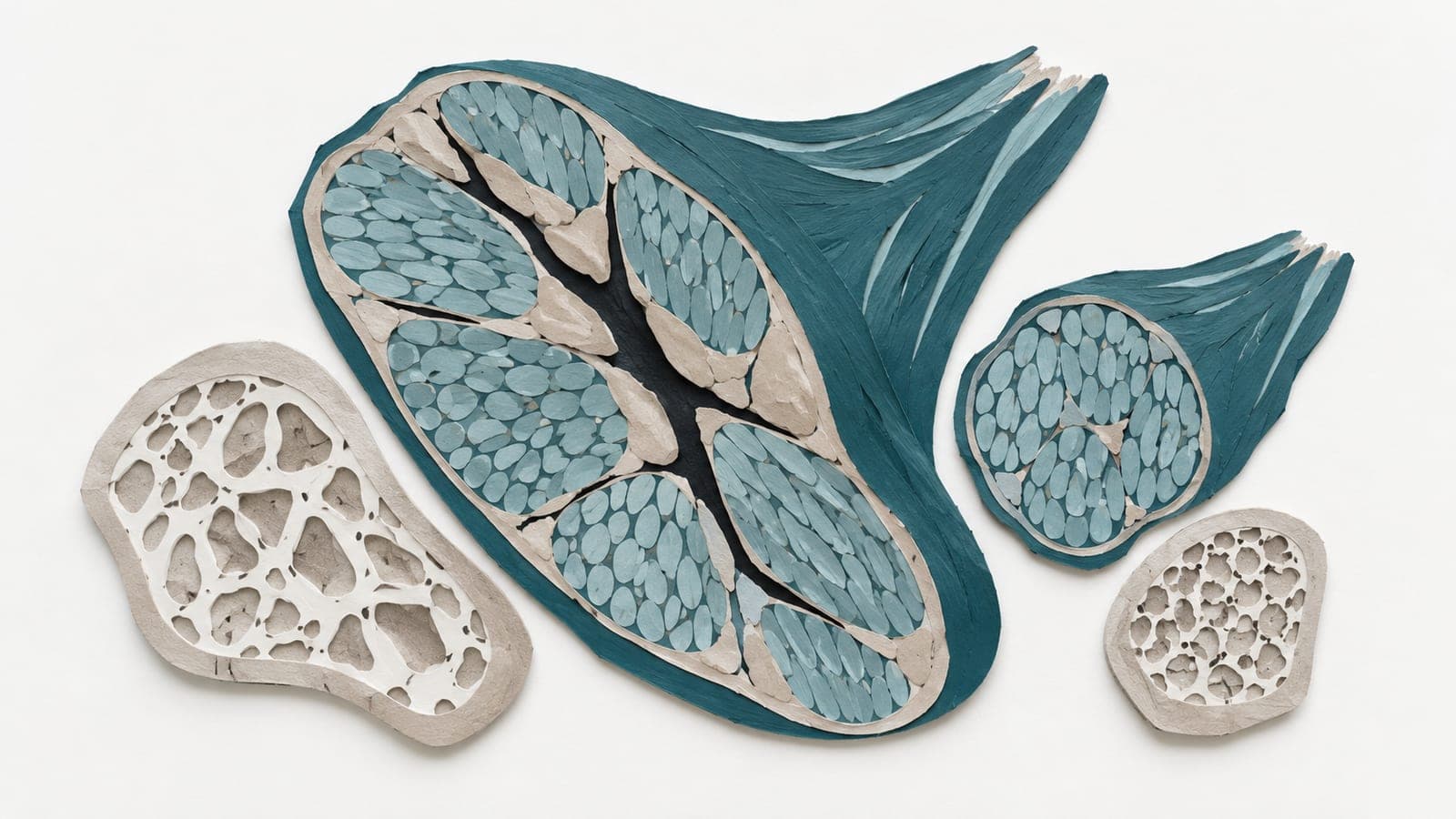
BACKGROUND: Loss of bone integrity and the age-associated decrease of the neuromuscular function make elderly subjects prone to fragility fractures. SUMMARY: Exercise is a strategy to counteract these age-associated changes and impairments. Because of the tight relationship between muscle and bone - anatomically, functionally, and biochemically - physical activities and targeted exercises, which induce muscle contraction and sufficient mechanical stress, influence bone metabolism. Exercise proved to have a positive effect on bone mineral density. The young skeleton is especially susceptible to impact and strenuous stimuli. This also applies to the neuromuscular system in the case of balance training. Therefore, the best time to start preventing fragility fractures is at young age. Despite the lower responsiveness in older age, targeted training is also very important at an advanced age. Lowering the modeling threshold, osteoanabolic treatment seems to increase the responsiveness to mechanical loading. In case of antiresorptive treatment, a more intensive training may be necessary. KEY MESSAGE: A multiple component exercise intervention reduces the risk of age-associated fragility fractures. Depending on the mode of exercise, it mainly affects bone integrity or the neuromuscular system. The effect of exercising also depends on age and bone-specific medications influencing the sensitivity of these structures. However, despite a lower sensitivity to exercise at higher age, targeted training is especially important when getting older to decrease the risk of fragility fractures. In case of prevalent fragility fractures, patients should exercise as well; the training stimulus simply needs to be adapted. BACKGROUND: Loss of bone integrity and the age-associated decrease of the neuromuscular function make elderly subjects prone to fragility fractures. SUMMARY: Exercise is a strategy to counteract these age-associated changes and impairments. Because of the tight relationship between muscle and bone - anatomically, functionally, and biochemically - physical activities and targeted exercises, which induce muscle contraction and sufficient mechanical stress, influence bone metabolism. Exercise proved to have a positive effect on bone mineral density. The young skeleton is especially susceptible to impact and strenuous stimuli. This also applies to the neuromuscular system in the case of balance training. Therefore, the best time to start preventing fragility fractures is at young age. Despite the lower responsiveness in older age, targeted training is also very important at an advanced age. Lowering the modeling threshold, osteoanabolic treatment seems to increase the responsiveness to mechanical loading. In case of antiresorptive treatment, a more intensive training may be necessary. KEY MESSAGE: A multiple component exercise intervention reduces the risk of age-associated fragility fractures. Depending on the mode of exercise, it mainly affects bone integrity or the neuromuscular system. The effect of exercising also depends on age and bone-specific medications influencing the sensitivity of these structures. However, despite a lower sensitivity to exercise at higher age, targeted training is especially important when getting older to decrease the risk of fragility fractures. In case of prevalent fragility fractures, patients should exercise as well; the training stimulus simply needs to be adapted.
The paper
Medical University of Vienna
Gerontology, 17 Jan 2025, Open access